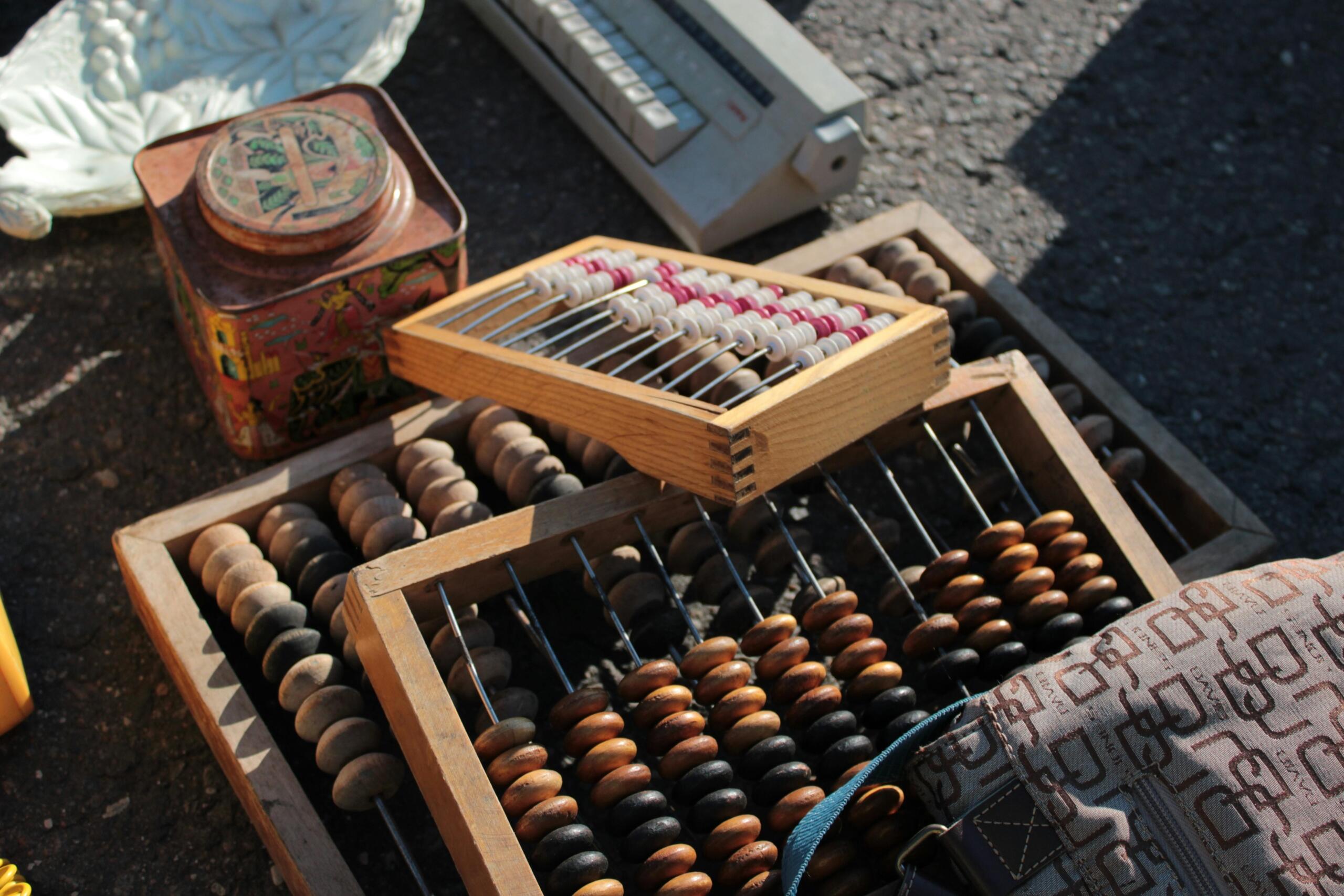

Parents can support maths at home without becoming their child’s maths teacher. Everyday conversations, games, cooking, shopping and simple problem-solving can make maths feel more familiar, while calm questions can help children explain what they understand and where they are getting stuck. The aim is not to recreate school lessons, but to make mathematical thinking part of ordinary family life.²
You do not need to teach a full lesson. Start with four simple habits:
🛒 Use everyday situations such as shopping, cooking and travelling.
💬 Ask your child how they reached an answer.
🧠 Focus on understanding rather than speed.
🤝 Ask the school for support when the same difficulties keep returning.


💬 1. Talk About Maths Positively at Home
The way maths is discussed at home can affect how comfortable a child feels asking for help. You do not need to pretend that every calculation is exciting, but statements such as “I was always terrible at maths” can unintentionally make mathematical ability sound fixed.
Instead, treat confusion as something that can be explored. If your child gets stuck, ask which part stopped making sense. You can also admit when you do not know an answer and work it out together. Supporting mathematics at home is less about demonstrating expertise and more about showing that problems can be approached patiently.
Research into parental maths anxiety suggests the relationship between parents’ feelings about maths and children’s development is complex. A longitudinal study found an association between parental maths anxiety and children’s early mathematical skills, but did not find a direct relationship between parents’ maths anxiety and children’s own maths anxiety at age eight.⁴ The useful lesson is not that parents must hide every uncertainty, but that calm, supportive interactions matter.
If maths repeatedly causes avoidance, panic or distress, persistent fear of maths may need a different response from simply adding more practice questions.
💭 Make Maths Easy to Talk About
The goal is to make maths discussable. Ask what your child learned that day, which problem was hardest or whether there was a method they liked. Those conversations can also help you notice when a temporary difficulty is becoming a recurring one.

A calm conversation can reveal much more than asking whether homework is finished. Invite your child to explain what felt easy, what was confusing and how they tried to solve the problem. The goal is to make questions feel normal rather than something to avoid.
🎲 2. Use Games and Your Child’s Interests
Games give children opportunities to use numbers without every calculation feeling like formal homework. Dice, playing cards and board games can involve counting, addition, probability, comparison and mental arithmetic, while construction toys can introduce shape, measurement and spatial reasoning.
If multiplication facts are currently a stumbling block, short games can also make practising times tables more manageable than long drill sessions.
Your child’s interests can make maths feel more relevant too. A football fan can compare scores, points and league tables. Someone who enjoys baking can explore fractions and ratios. Arts and crafts naturally involve shapes, symmetry and measurement, while music can introduce timing and patterns.
Malta’s Curriculum Department includes cooking, Lego, imaginative play, weather activities and meal planning among examples of everyday activities that can support learning at home.¹ National Numeracy similarly suggests using hobbies such as games, music, crafts, gardening and sport to identify mathematics in ordinary life.³
You do not need a paid app or complicated programme. Existing resources such as TopMarks Maths and Math Playground can still provide simple games and puzzles when screen-based practice suits your child.
Avoid assuming that one type of activity will appeal to every child. What matters is finding situations where numbers already have a purpose.
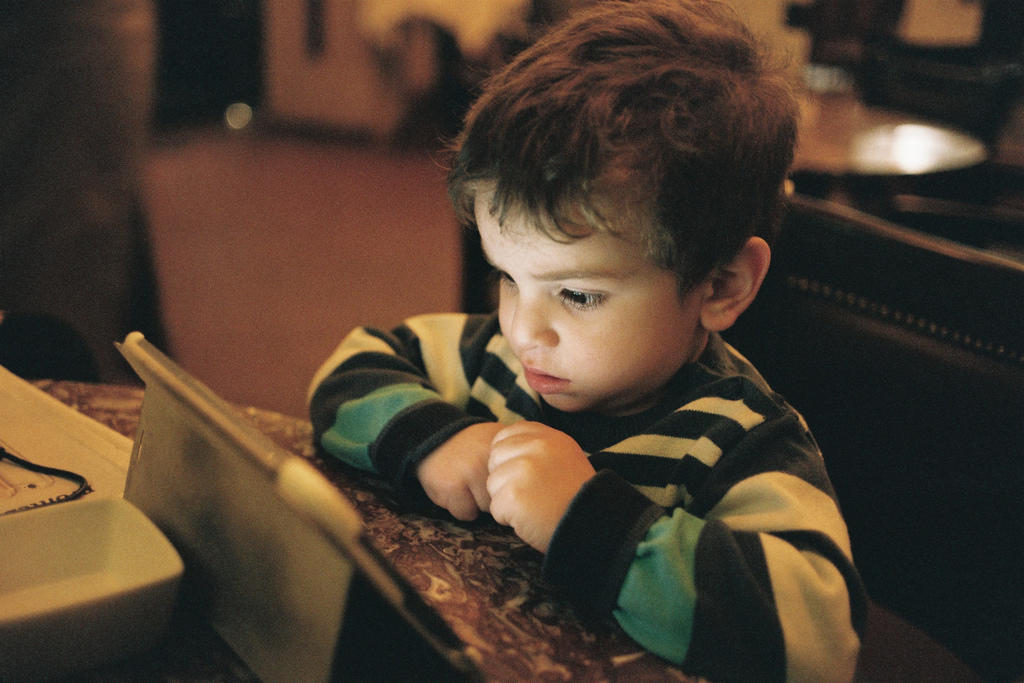
🛒 3. Make Mathematics at Home Part of Everyday Life
Some of the easiest opportunities for maths at home are already part of the family routine. Shopping, cooking, travelling and organising time all involve quantities and decisions.
At a supermarket in Malta, for example, children can compare euro prices, estimate the total before reaching the till or work out the difference between two products. Older children can compare offers and percentages rather than assuming a promotional label always means better value.
Cooking gives you fractions, weights, ratios and time without needing a worksheet. A child can weigh ingredients, halve a recipe or work out when something should come out of the oven. When travelling, you can compare journey times, work out how long remains until arrival or use timetables to discuss hours and minutes.
National Numeracy recommends similar everyday contexts, including baking, shopping, public transport, games and household tasks, because they show children that maths exists beyond the classroom.³ Malta’s own parent resources also suggest activities involving calendars, room measurements, furniture plans and weather graphs.¹
📊 Everyday Maths Around the Home
| Everyday activity | Maths you can explore |
|---|---|
| Supermarket shopping | Prices, totals, change and percentages |
| Cooking | Fractions, weights, ratios and time |
| Travelling | Journey times, distance and timetables |
| Games | Counting, probability and strategy |
| DIY or decorating | Measurement, area and shapes |
| Pocket money | Budgeting, addition and subtraction |
You do not need to turn every family activity into a lesson. A short question while cooking or shopping can be enough. The aim is to help your child with maths by showing where it already appears in everyday decisions.
Interests should also guide opportunities rather than assumptions about gender differences in mathematics or which children are supposedly naturally suited to numbers.
🧠 4. Ask How They Reached the Answer
When a child gives an answer, asking how they reached it can tell you more than immediately saying whether it is right or wrong.
A question such as “How did you work that out?” encourages children to describe their reasoning. Sometimes their method will be different from the one you were taught at school. That does not automatically make it wrong.
For example, one child might calculate 18 + 7 by adding 2 to reach 20 and then adding the remaining 5. Another might add 7 directly. Explaining these different routes helps make mathematical thinking visible.
This can be particularly useful when an answer is incorrect. Instead of immediately replacing the child’s method with your own, ask them to show you what they did. You may discover that they understood most of the problem but made one small error.
Malta’s Curriculum Department includes dedicated “Questions Worth Asking” resources for parents, reflecting the value of using questions to support learning rather than simply supplying answers.¹
❓ Questions That Keep Maths Low-Pressure
💭 How did you work that out?
🔄 Could we solve it another way?
🔍 Which part feels confusing?
🗣️ Can you explain your thinking to me?
✅ How could we check the answer?
🧩 What do you already know?
Do not treat speed as the main measure of ability. A child who takes longer may still understand the concept well. Giving them time to explain can reveal strengths that are easy to miss in a timed exercise.
🏡 5. Create a Calm Place for Practice
A suitable environment does not need to look like a miniature classroom. A clear table, the materials your child needs and enough quiet to concentrate may be all that is required.
If possible, choose a predictable place for homework or short practice sessions. Reduce distractions that genuinely interfere with concentration, but remember that different children may work comfortably in different environments.
It also helps to keep the task manageable. If homework is becoming a long argument, a short break may be more productive than continuing until everyone is frustrated. Parents are there to support the process, not to reproduce the pressure of a formal lesson.
The Education Endowment Foundation notes that parental engagement can support learning, but practical strategies and high-quality interactions are more useful than simply asking parents to provide generic help.² This is an important distinction. Parents do not need to become substitute teachers.
Some children may need adjustments that reflect a more specific learning profile. Difficulties involving reading instructions, sequencing, working memory or retrieving facts, for example, can make dyslexia and maths a more complex combination than simply needing extra practice.
🪴 Keep the Learning Space Simple
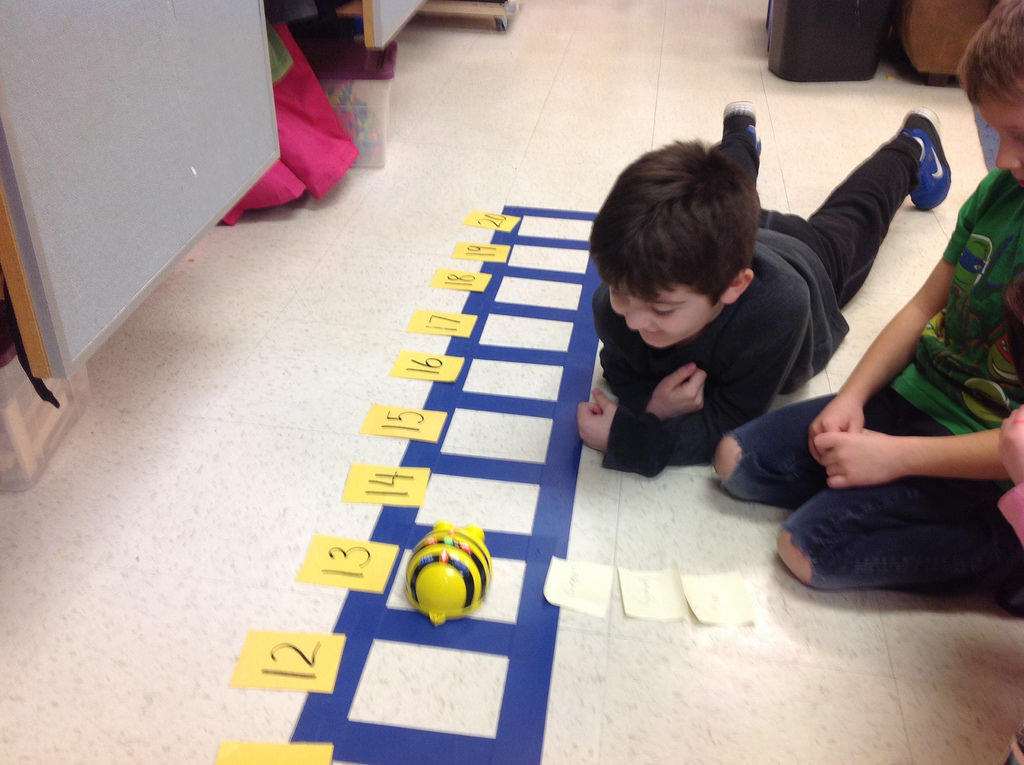
A useful study space does not need elaborate decorations or specialist equipment. Keep the materials your child needs within reach, reduce distractions where possible and make it easy to take a short break when concentration drops.
A calm setup also makes it easier to notice what is actually difficult. When a child is not rushing or overwhelmed, you can see whether they understand the concept, need a reminder or are consistently struggling with something more fundamental.
🤝 6. Know When Home Support Is Not Enough
Every child finds some parts of mathematics difficult. A new topic may take time, a missed lesson can leave a gap, and confidence can vary from week to week.
The pattern matters more than an occasional mistake. Speak with your child’s teacher if the same problems keep returning, if several areas of maths remain unusually difficult or if homework regularly causes significant distress.
Ask what the school has noticed and whether the difficulty appears there too. It can help to bring specific examples. “They struggle with maths” is less informative than explaining that your child repeatedly forgets basic number facts, cannot judge quantities or becomes confused by place value despite repeated teaching.
Persistent difficulties with numerical magnitude, quantities, estimation or place value can be among the signs of dyscalculia, particularly when they remain significant despite appropriate instruction and practice.⁵ Dyscalculia is a specific learning difficulty and should not be assumed from a single symptom or online checklist.
Other children may primarily need help with confidence, anxiety, gaps in prior learning or the way a particular concept has been explained. Parents do not have to determine the cause themselves.
When to Ask for More Support
Getting additional help does not mean home support has failed. It means you have noticed that your child may need something more specific than everyday encouragement.
🌿 Helping Without Becoming the Maths Teacher
Supporting mathematics at home can be simple. Talk about numbers positively, use ordinary family activities, play games, ask how your child reached an answer and give them enough time to think.
The strongest support is often the kind that makes maths feel useful and approachable rather than turning home into an extension of the classroom. Parents can provide encouragement and context while teachers and other professionals handle difficulties that require specialist educational support.
If you want to help your child with maths, start with the life you already share. Prices at the supermarket, a recipe, a timetable or the score in a game can all become opportunities to use maths naturally.
📚 References
- “AfL - Resources for Parents.” The Directorate for Learning and Assessment Programmes, Government of Malta, https://curriculum.gov.mt/afl-resources-for-parents/. Accessed 22 Sept. 2026.
- “Parental Engagement.” Education Endowment Foundation, https://educationendowmentfoundation.org.uk/education-evidence/teaching-learning-toolkit/parental-engagement. Accessed 22 Sept. 2026.
- “How to Find Maths in Everyday Life.” National Numeracy, 21 July 2025, https://www.nationalnumeracy.org.uk/news/how-find-maths-everyday-life. Accessed 22 Sept. 2026.
- Tomasetto, C., et al. “Parental Mathematics Anxiety Is Related to Children’s Mathematical Development in Preschool and the First School Years.” Journal of Experimental Child Psychology, vol. 252, 2025, article 106185, https://doi.org/10.1016/j.jecp.2024.106185. Accessed 22 Sept. 2026.
- “SASC Definition of a Specific Learning Difficulty in Mathematics (2025).” British Dyslexia Association, https://www.bdadyslexia.org.uk/dyscalculia/sasc-definition-of-a-specific-learning-difficulty-in-mathematics-2025. Accessed 22 Sept. 2026.
Summarise with AI:
Did you like this article? Leave a rating!

 Loading...