



Do you want to learn how to draw, cook, paint or craft?
Arts and hobbies give learners a chance to explore creativity, practical skills and personal interests outside the usual academic subjects. From acting, dance and photography to cooking, chess, sewing, drawing and creative writing, this section brings together articles that help readers discover new activities and develop existing talents.
On the Superprof Malta Blog, you’ll find practical guides, creative tips and learning resources for beginners, returning learners and anyone looking for a new challenge. You can explore topics linked to cooking lessons in Malta, creative disciplines, performance skills and hands-on hobbies.
If you prefer flexible learning from home, some creative subjects can also be explored online, such as online drawing lessons.Whether your interest is artistic, practical or simply relaxing, these articles can help you find inspiration and approach your hobby with more confidence.
Explore arts and hobbies in Malta
Arts and hobbies are a valuable part of learning because they give people space to create, practise, experiment and express themselves. Some hobbies are artistic, such as drawing, painting, photography or poetry. Others are practical, such as cooking and sewing. Performance-based activities, including acting and dance, help learners use the body, voice and imagination more confidently.
For readers in Malta, arts and hobbies can connect naturally with everyday life, community events, family traditions, local culture, school projects and personal interests. A creative activity does not need to become a career to be meaningful. It can also be a way to relax, build confidence, meet people or develop a skill at your own pace.
The Superprof Malta Blog brings together articles that introduce different creative subjects and help learners understand where to begin.
Performance arts and creative expression
Performance arts include subjects such as acting, dance, improvisation, musical theatre and public speaking. These activities develop more than performance technique. They can also support confidence, communication, body language, rhythm, imagination and emotional expression.
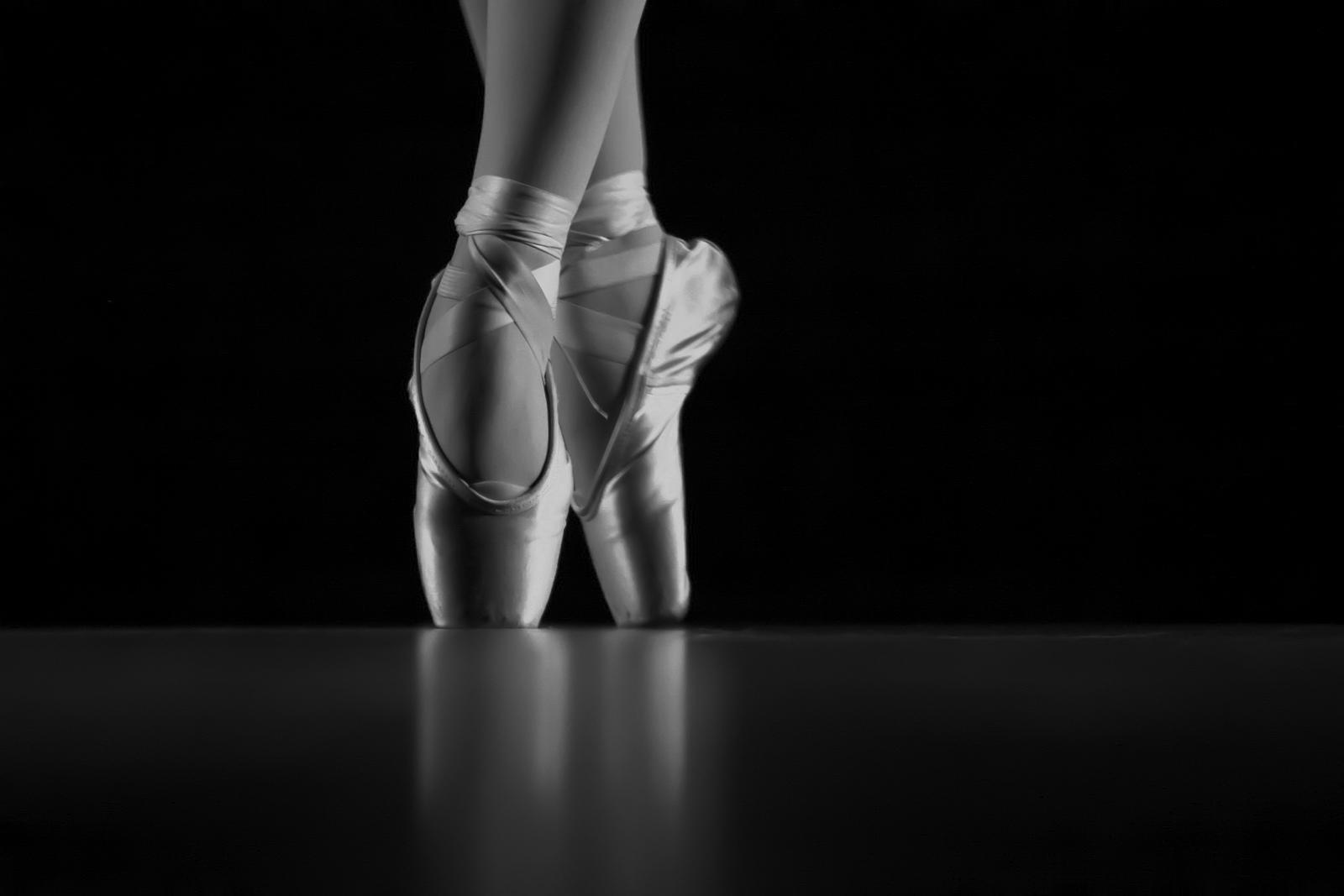
Acting can help learners work on voice, diction, character, movement and stage presence. Dance can support coordination, musicality, posture and physical confidence. Both disciplines encourage learners to become more aware of how they use space, sound and gesture.
For students, performance arts can be useful for school productions, presentations, auditions or creative projects. For adults, they can offer a refreshing way to build confidence and try something expressive outside everyday routine.
Visual arts and creative observation
Visual arts such as drawing, painting, photography and design encourage learners to observe the world more carefully. These hobbies help develop patience, attention to detail, composition, visual storytelling and creative decision-making.
Photography can teach learners how to use light, framing and timing to capture a scene. Drawing and painting can help them understand shape, colour, texture and proportion. Design can connect creativity with practical communication, whether through images, layouts or digital tools.
These subjects can be especially rewarding because progress is visible over time. A sketchbook, portfolio or set of photographs can show how a learner’s eye and technique have developed.
Practical hobbies for everyday creativity
Some hobbies are both creative and useful in daily life. Cooking, baking, sewing, crafts and DIY projects allow learners to make something tangible while developing practical skill.
Cooking can introduce new flavours, techniques and traditions. Sewing can help learners repair clothing, create personalised items or understand fabric and construction. Crafts can offer a calm, hands-on way to focus and create.
These hobbies are often enjoyable because they combine learning with a finished result. A meal, garment, handmade object or creative project can be shared, used or improved over time.
Hobbies that train the mind
Not every hobby is physical or visual. Some activities develop concentration, logic, memory and strategic thinking. Chess is a good example, since it encourages planning, patience, problem-solving and the ability to think several moves ahead.
Writing, poetry and storytelling also train the mind in a different way. They help learners organise ideas, choose words carefully and express feelings or experiences through language.
These hobbies can be especially valuable for learners who enjoy quiet concentration, reflection and independent practice. They also show that creativity is not limited to drawing or performance. It can appear in strategy, language and thought.
Related arts and hobbies lesson pages in Malta
Readers who want to explore local learning options can also browse subject pages connected to arts and hobbies in different parts of Malta. These include cooking lessons in St. Paul’s Bay, chess lessons in Birkirkara and acting classes in Mosta.
Other creative pages include photography lessons in Sliema and chess lessons in Qormi. These pages can be useful for seeing how different creative and hobby-based subjects are organised across Malta.
How to choose a hobby to start with
Choosing a hobby is easier when you think about what you want from it. Do you want something relaxing, creative, social, practical, expressive or mentally challenging? Do you prefer working with your hands, moving your body, using words, solving problems or creating visual work?
Beginners often make progress more easily when they start with a clear and manageable goal. That might mean learning one recipe, taking a few photographs each week, practising a short monologue, learning basic dance steps or playing simple chess openings.
It is also useful to choose something that fits your routine. A hobby that requires too much time, space or equipment at the beginning may be harder to maintain. Starting simply often makes the experience more enjoyable.
Keep exploring your creative side
Arts and hobbies can bring variety, focus and enjoyment into learning. They allow people to try new things, develop patience, express ideas and build confidence through practice.
The Superprof Malta Blog brings together articles on acting, cooking, dance, drawing, photography, sewing, chess, poetry and many other creative interests. Whether you are starting a new pastime, returning to an old one or looking for inspiration, this category offers a useful place to begin.