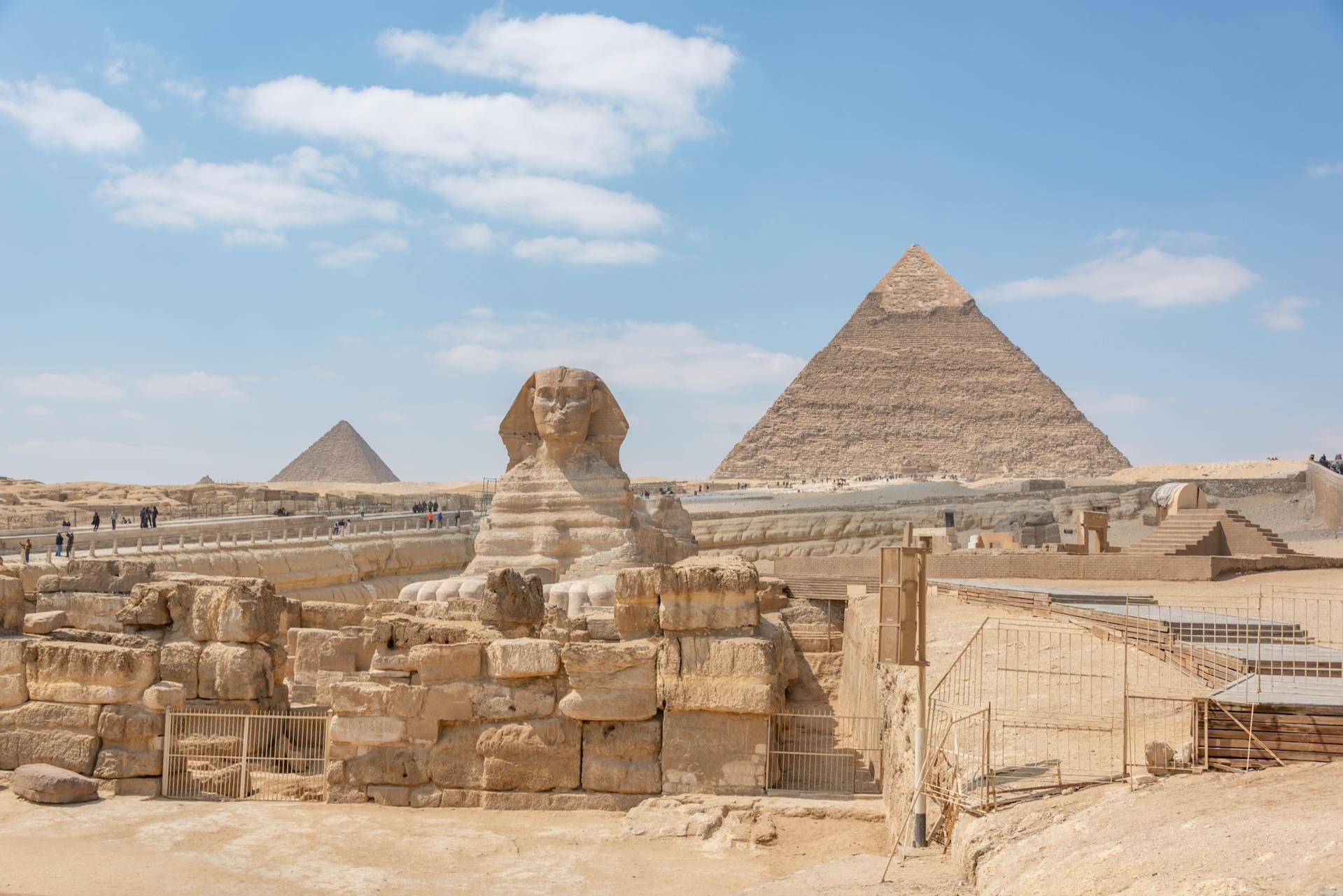

Ancient Egypt is one of the most fascinating civilisations in human history. Its towering pyramids, spiritual beliefs, hieroglyphic writing and legendary historical figures have inspired historians and curious minds for thousands of years. From Ra, the sun god, and Anubis, the protector of the dead, to famous rulers such as Cleopatra and Ramesses II, Ancient Egypt offers a complex world of gods, symbols, rituals and remarkable achievements.
This quiz will test how much you know about Ancient Egyptian history and culture. You will encounter questions about pharaohs, religious beliefs, burial practices, monuments and everyday symbols. Whether you are revising history or simply fascinated by the ancient world, it is time to find out how well you know the mysteries of Ancient Egypt.
Quiz
Quiz :


Myths and the Great Egyptian Gods.
Ancient Egyptian religion was complex and included a large pantheon of gods and goddesses. Different deities represented aspects of nature, society, kingship, death and the afterlife.
Religious practices varied across different periods and regions of Egypt. Gods could also take on different roles or be combined with other deities as religious traditions developed.
Ra
Osiris
Anubis
Ra, Osiris and Anubis were three important deities associated with the sun, the afterlife and the protection of the dead.
- Ra was one of the principal solar and creator deities of Ancient Egypt. He represented the life-giving power of the sun, which travelled across the sky during the day and passed through the underworld at night. Ra became so influential that several pharaohs incorporated his name into their royal titles.
- Osiris was associated with death, rebirth, fertility and the afterlife. According to one of Egypt’s best-known myths, he was killed by his brother Seth and restored through the actions of his wife Isis. His story reflected the cycle of death and renewal that played a central role in Egyptian religious beliefs.
- Anubis was the god of mummification and the protector of tombs and burial grounds. Usually depicted with the head of a jackal, he was believed to guide and protect the dead during their journey into the afterlife.
Akhenaten and the Worship of Aten
Pharaoh Akhenaten was one of the most controversial rulers in Egyptian history. During his reign, he elevated Aten, represented by the solar disc, above Egypt’s traditional gods and centred royal worship on this single deity.
These reforms changed Egyptian religion, art and royal imagery. Akhenaten also established a new capital at Amarna, but the city was largely abandoned after his death and traditional religious practices were restored. His reign remains one of the most unusual periods in Ancient Egyptian history.
Symbols, Monuments and the Legacy of Ancient Egypt
Ancient Egypt is known for its spectacular monuments and the symbolism found in everything from jewellery and amulets to temples and royal tombs. These objects were often closely connected to Egyptian beliefs about kingship, protection, death and eternal life.
The pyramids, for example, were not simply burial places. Their design and religious purpose were connected to the pharaoh’s journey into the afterlife and the hope that the ruler would join the gods.
The Pyramids of Giza and the Valley of the Kings
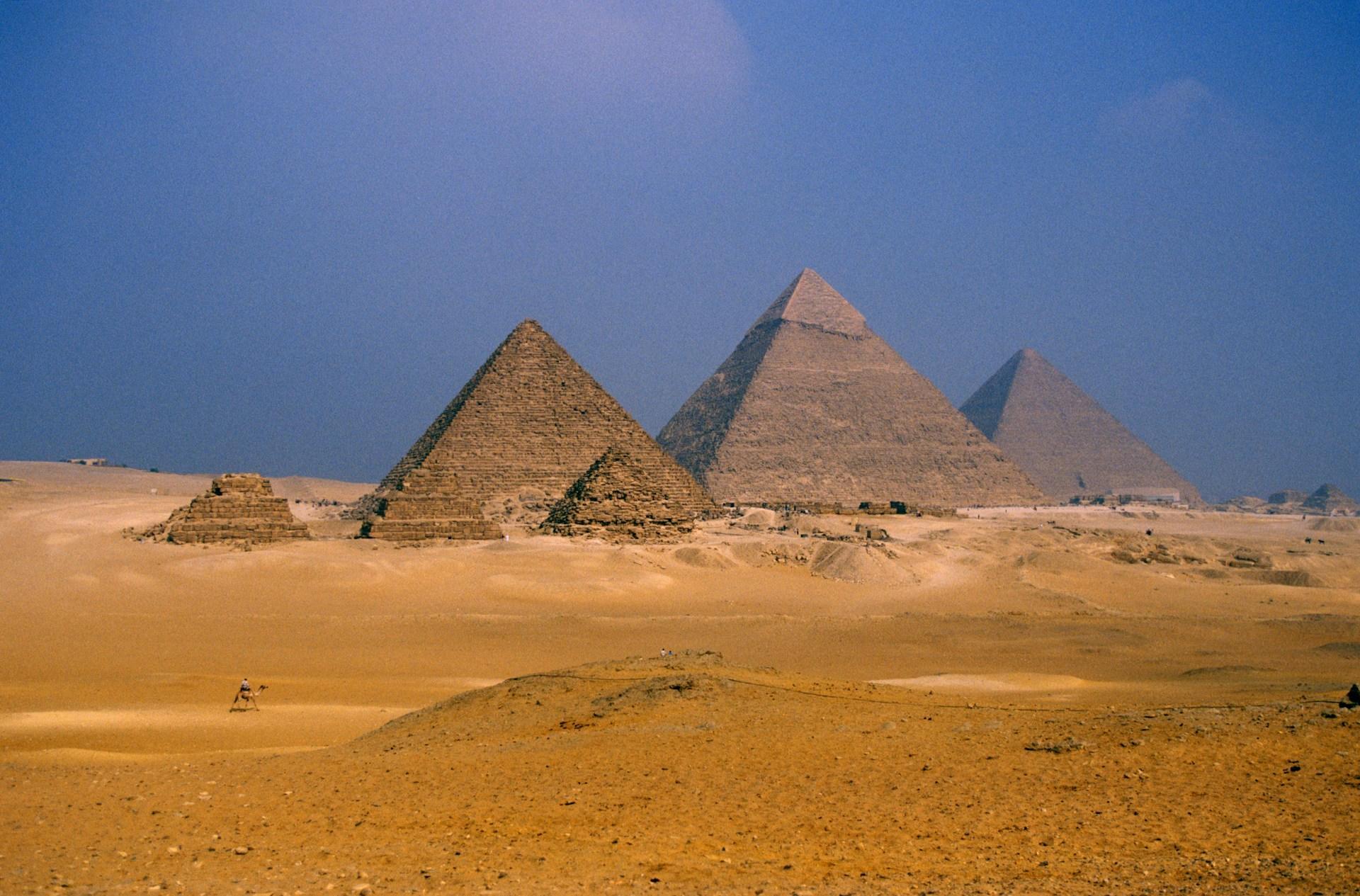
The pyramids of Giza were built as royal tombs during Egypt’s Fourth Dynasty. The largest of them, the Great Pyramid, was constructed for Pharaoh Khufu, who is also known by the Greek name Cheops.
The pyramid, precisely oriented and built of limestone and granite blocks, symbolised the ascension of the pharaoh's soul to heaven and his union with the gods. In the New Kingdom, pharaohs chose to be buried in the Valley of the Kings, near Thebes, in richly decorated rock-cut tombs. Here we find the tomb of Tutankhamun, the young pharaoh who became famous for the magnificent treasure discovered almost intact in the 20th century.
The Valley of the Kings was both a burial ground and a sacred landscape. Its decorated tombs were designed to help deceased rulers complete their journey through the underworld and achieve rebirth in the afterlife.
Symbols of Eternity: The Ankh, Scarabs and the Book of the Dead
The ancient Egyptians were fascinated by the concept of eternity, which was reflected in many symbols and ritual objects. The ankh, also known as the “key to life,” represented eternal life and the continuity of existence. Often depicted in the hands of deities, it symbolised the power of the gods to bestow life and immortality.
Scarabs, symbols of rebirth and regeneration, were widely used as protective amulets. In Egyptian mythology, the scarab was associated with the god Khepri, who represented the rising sun and the continuous cycle of creation.
Finally, the Book of the Dead was a collection of spells and prayers to help the deceased on their journey to the afterlife. This ancient text was considered a guide for navigating through the dangers of the realm of the dead, and represented a kind of “spiritual manual” that accompanied souls to eternal life.
Did you earn the title of “Keeper of the Pyramids”, or is there still more for you to discover? Whatever your result, Ancient Egypt offers thousands of years of history, mythology and culture to explore.
Summarise with AI:
Did you like this article? Leave a rating!

 Loading...