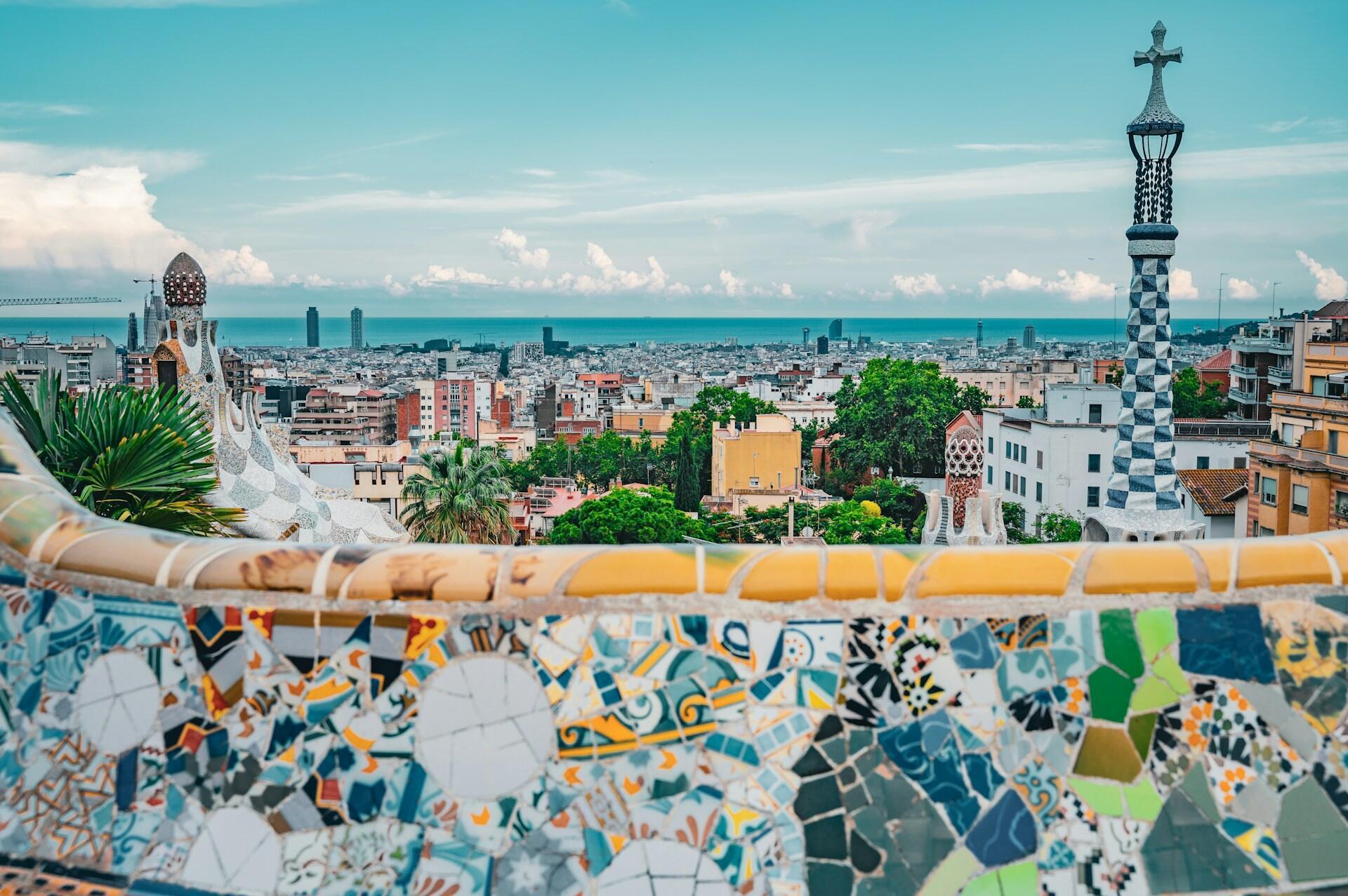

The history of Spain is much more than a list of dates, kings and battles. It is the story of the people, cultures and events that shaped one of Europe’s most fascinating countries. From ancient civilisations on the Iberian Peninsula to the Spain we know today, every period has left a mark on the country’s language, architecture, politics and traditions.
Whether you are learning Spanish, planning to visit Spain from Malta, or simply enjoy European history, understanding Spain’s past can help you see the country’s present in a richer way. This quiz will take you through some of the key moments that defined Spain and its place in world history.
Quiz
Quiz :


Timeline of the History of Spain
Before 218 BC
Prehistory and early civilizations
The first civilisations on the Iberian Peninsula included the Iberians, Celts and Phoenicians, who left behind a cultural, commercial and linguistic legacy. The Phoenicians introduced the alphabet and founded cities such as Cádiz.
218 BC - 476 AD
Roman Hispania
Spain became part of the Roman Empire, which left lasting contributions such as Latin, Roman law, roads, aqueducts and other advanced infrastructure.
476 AD - 1492
The Middle Ages: From the Visigoths to the Reconquista
The Visigoths settled in Spain after the fall of the Western Roman Empire. Later, the Reconquista became a long process in which Christian kingdoms gradually regained territory from Muslim rule, ending with the capture of Granada in 1492.
1492 1580
The Catholic Monarchs and the Renaissance
The Catholic Monarchs strengthened royal power and completed the Reconquista. In 1492, Christopher Columbus reached the Americas, marking the beginning of Spain’s overseas empire.
1580 - 1700
The Golden Age and the Spanish Empire
Under the Habsburgs, Spain became one of the most powerful empires in the world. This period also saw the flourishing of Spanish art and literature, although economic and military problems grew over time.
1700 - 1808
The War of Succession and the Bourbons
The War of Spanish Succession (1701-1714) resulted in the rise of the Bourbon dynasty under Philip V. During this period, reforms were carried out to modernise Spain.
1808 - 1931
Wars and Transitions
Spain went through the Napoleonic invasion, the War of Independence, the Carlist Wars and the loss of its last colonies in 1898. The First Republic and the Bourbon Restoration also belong to this turbulent period.
1936 - 1975
The Civil War and Franco's Dictatorship
The Spanish Civil War divided the country between Republicans and Francoists. After the war, Francisco Franco ruled Spain as a dictator until his death in 1975.
1975 - Present
The Transition and Democratic Spain
After Franco’s death, Spain moved towards democracy and adopted the 1978 Constitution. Since then, Spain has become a democratic state and an important member of the European Union and NATO.
In the quiz, you may have answered questions about some of these key moments in Spanish history, including the War of Succession, the Catholic Monarchs, the Spanish Empire and the country’s transition to democracy.
The history of Spain is full of fascinating episodes that continue to influence modern society. But why is it important to know this history, and how does it connect to our present?
Knowing the Past to Understand the Present
Through events such as the unification of the kingdoms under the Catholic Monarchs, the conquest of the Americas, and the struggle for democracy after Franco's dictatorship, Spain's history reflects the processes of change, adaptation, and resilience that have shaped the country.
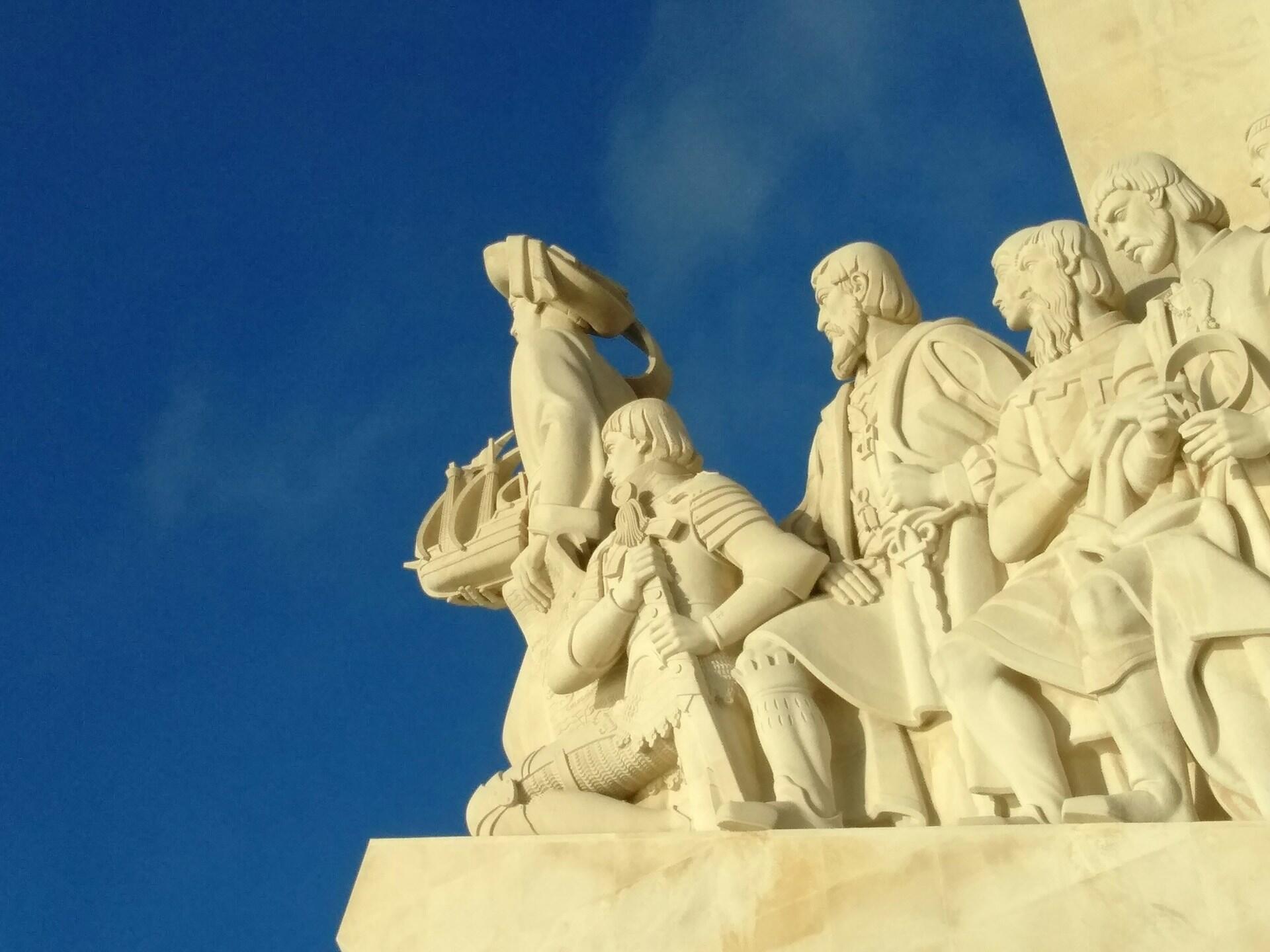
For example, the repercussions of the Spanish Civil War and the subsequent dictatorship of Francisco Franco are still topics of debate and reflection in Spanish society, and knowledge of these events allows us to approach contemporary issues with greater perspective.
In addition, moments of great splendour, such as the rise of the Spanish Empire or the cultural influence during the Golden Age, remain a source of pride and fascination.
Why Should We Study Spanish History?
Learning about Spanish history not only allows us to understand how the country we know today was forged, but also offers valuable lessons about coexistence, conflict, and political evolution. Each phase of Spanish history, from Romanisation to the Democratic Transition, is full of decisions and events that teach us about power, justice, and collective identity.
The Alhambra in Granada is one of the most important monuments of the Muslim era in Europe. Although it was built by Muslims, its influence lives on in the architecture and culture of Spain to this day.
History is not just a collection of dates and names; it is a tool that helps us understand how Spanish society has evolved through its victories, defeats, and transformations.
Continue Exploring History
Were you surprised by any of the quiz answers? Did you discover something new that you would like to learn more about? Spanish history is an endless source of knowledge and lessons, and the wonderful thing is that there is always more to discover. Each historical period has its own set of challenges and triumphs, and exploring those moments gives you a deeper understanding not only of Spain but also of how global history is interconnected.
Don't stop here! Keep learning about the events that shaped Spain, from the rebuilding of the country after the dictatorship to the fundamental role it plays in the European Union today. History is full of surprises, and there is always more to discover. Spain's historical adventure has just begun for you!
Summarise with AI:
Did you like this article? Leave a rating!

 Loading...