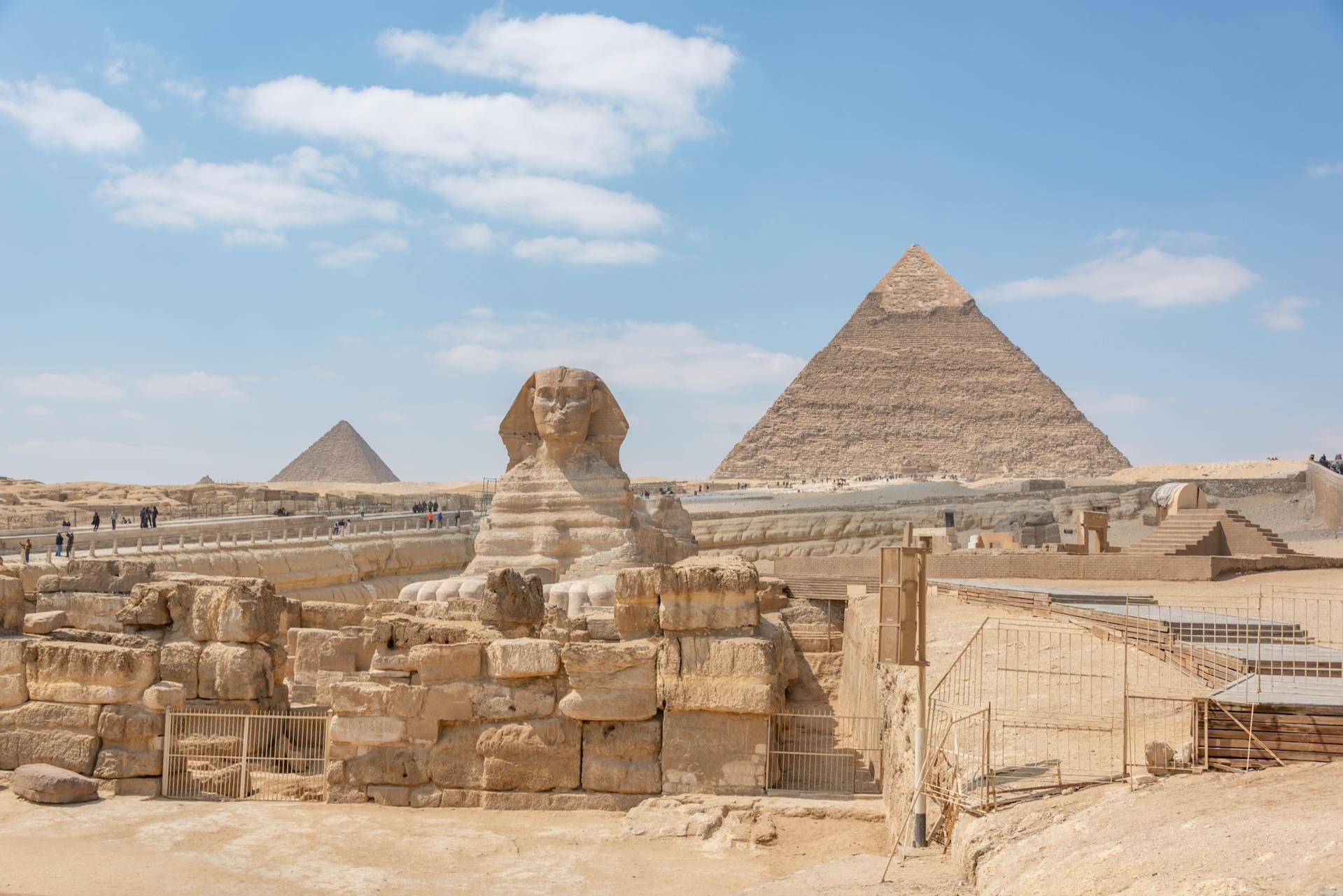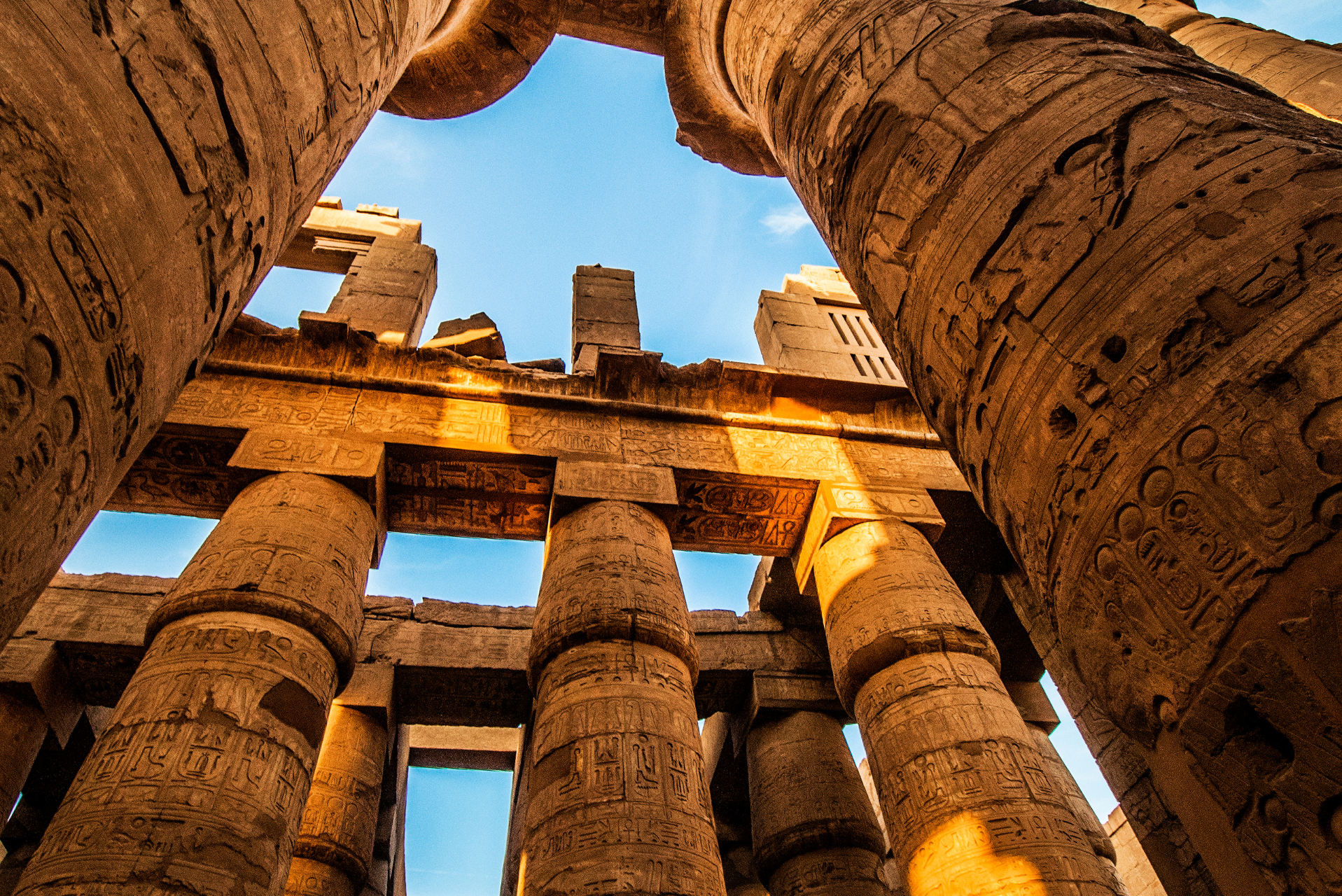
Have you ever wondered how deep your knowledge is of the great civilisations that shaped human history? From the majestic pyramids of Egypt to the precision of Maya calendars, ancient civilisations left us an extraordinary legacy that still fascinates us today.

Here in Malta, ancient history can feel especially close to home, from prehistoric temple sites such as Ġgantija, Ħaġar Qim and Mnajdra to the Phoenician and Roman layers that form part of the islands’ story. Looking at ancient civilisations is also a way to better understand the Mediterranean and the wider world around us.

This quiz will test your memory and curiosity. Do you know who built the Great Wall of China, or which civilisation developed one of the earliest known uses of zero? Venture through these questions and find out how much you really know about the past.

Be prepared to be challenged and, by the end, discover your level of historical wisdom. Are you ready for the journey? ✈️

Quiz

Quiz :
How Much Do You Know About Ancient Civilisations?
01
10
Q1- Which civilisation built the pyramids of Giza?
Go to next quiz slide button
02
10
Q2- Which civilisation is known to have developed the oldest code of laws?
Go to previous quiz slide buttonGo to next quiz slide button
03
10
Q3- Which of the following civilisations invented democracy?
Go to previous quiz slide buttonGo to next quiz slide button
04
10
Q4- Which ancient civilisation built the Great Wall?
Go to previous quiz slide buttonGo to next quiz slide button
05
10
Q5- Which pre-Columbian civilisation is famous for its calendars and astronomical knowledge?
Go to previous quiz slide buttonGo to next quiz slide button
06
10
Q6- Which of the following civilisations developed the concept of zero in mathematics?
Go to previous quiz slide buttonGo to next quiz slide button
07
10
Q7- Which civilisation built the city of Machu Picchu?
Go to previous quiz slide buttonGo to next quiz slide button
08
10
Q8- Which civilisation used cuneiform writing?
Go to previous quiz slide buttonGo to next quiz slide button
09
10
Q9- Which Greek city-state is famous for its rigorous military training?
Go to previous quiz slide buttonGo to next quiz slide button
10
10
Q10- Who was the conqueror who led the Persian Empire to its greatest expansion?
Go to previous quiz slide buttonGo to next quiz slide button
You have answered all the questions!
Go to previous quiz slide button
%
Other readers' results (%)
Start again
Share the quiz
Share on Facebook
Facebook
Share on WhatsApp
WhatsApp
Share on X
X

The best History tutors available
Rachel
Rachel
€15
/h
Gift icon
1st lesson free!
Nicole
Nicole
€20
/h
Gift icon
1st lesson free!
Jalees
Jalees
€100
/h
Gift icon
1st lesson free!
Willa d-a
Willa d-a
€8
/h
Gift icon
1st lesson free!
Miguel
Miguel
€9
/h
Gift icon
1st lesson free!
Jain
Jain
€12
/h
Gift icon
1st lesson free!
Junaid
Junaid
€15
/h
Gift icon
1st lesson free!
The
The
€19
/h
Gift icon
1st lesson free!
Rachel
Rachel
€15
/h
Gift icon
1st lesson free!
Nicole
Nicole
€20
/h
Gift icon
1st lesson free!
Jalees
Jalees
€100
/h
Gift icon
1st lesson free!
Willa d-a
Willa d-a
€8
/h
Gift icon
1st lesson free!
Miguel
Miguel
€9
/h
Gift icon
1st lesson free!
Jain
Jain
€12
/h
Gift icon
1st lesson free!
Junaid
Junaid
€15
/h
Gift icon
1st lesson free!
The
The
€19
/h
Gift icon
1st lesson free!
Let's go

Why Study Ancient Civilisations?

The study of ancient civilisations offers us a window into the past, revealing how societies evolved, created political structures, developed technologies and left legacies that endure to this day. Beyond satisfying our curiosity, analysing ancient cultures helps us understand the roots of many of the practices, beliefs and customs that remain part of human life today. By looking to the past, we can also find new ways to think about our identity and our relationship with the world.

Ancient civilisations were pioneers in areas such as writing, architecture, astronomy, mathematics and medicine. Studying them also allows us to learn from their challenges and failures. The fall of the Roman Empire, the decline of Maya city-states and the weakening of other ancient societies show how political instability, environmental pressure, overuse of resources or changing trade routes can contribute to major historical change. This retrospective look can serve as a warning for current and future generations.

The Most Important Civilisations and Their Legacy

Some civilisations stand out for their lasting contributions and influence on history. Some of the most important ones are listed below:

Ancient Egypt
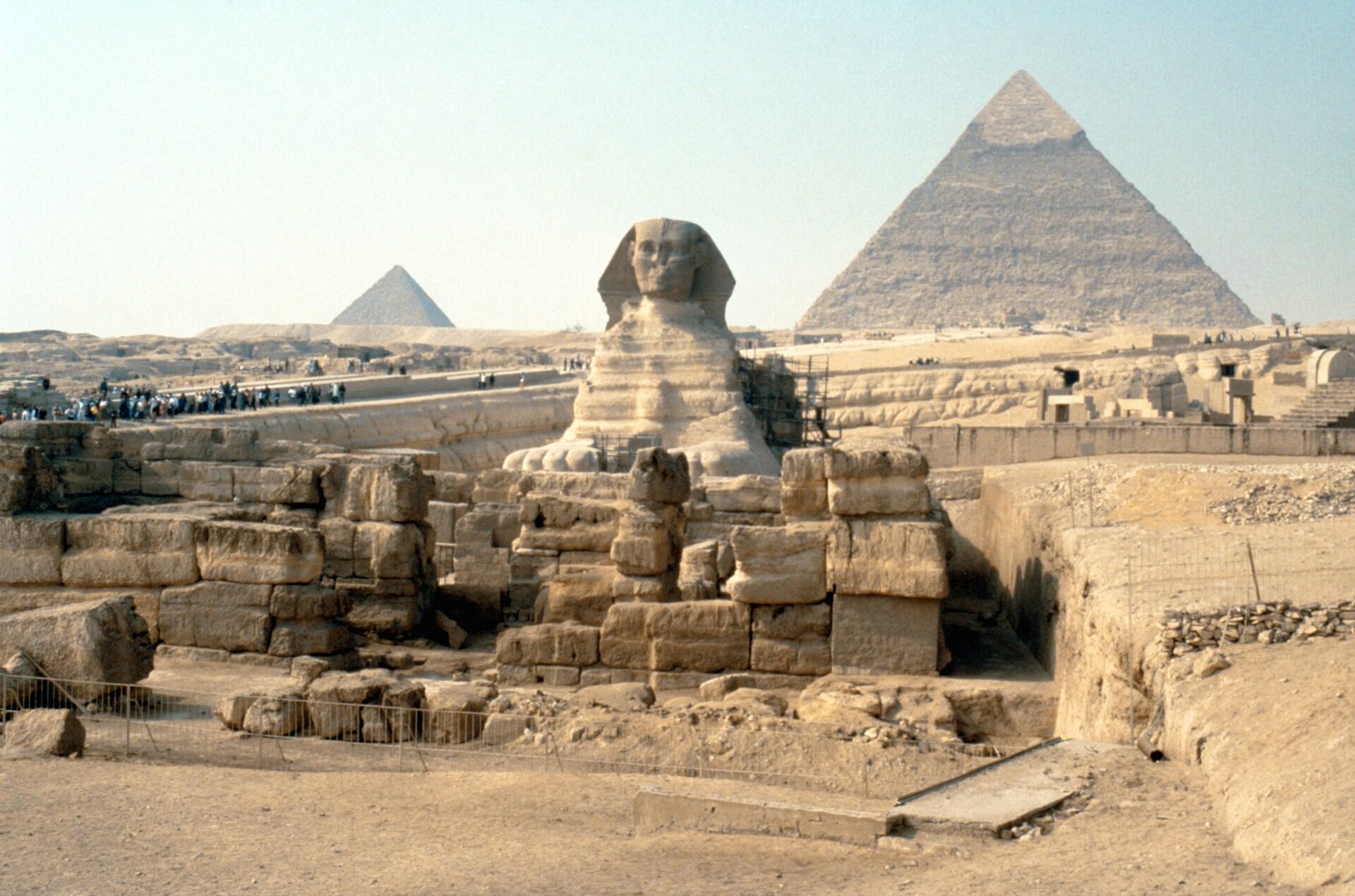
The Sphinx and the pyramids
Known for its pyramids, temples and advances in medicine and hieroglyphic writing, Egypt was a pioneering civilisation in engineering, art and religion.

Ancient Greece

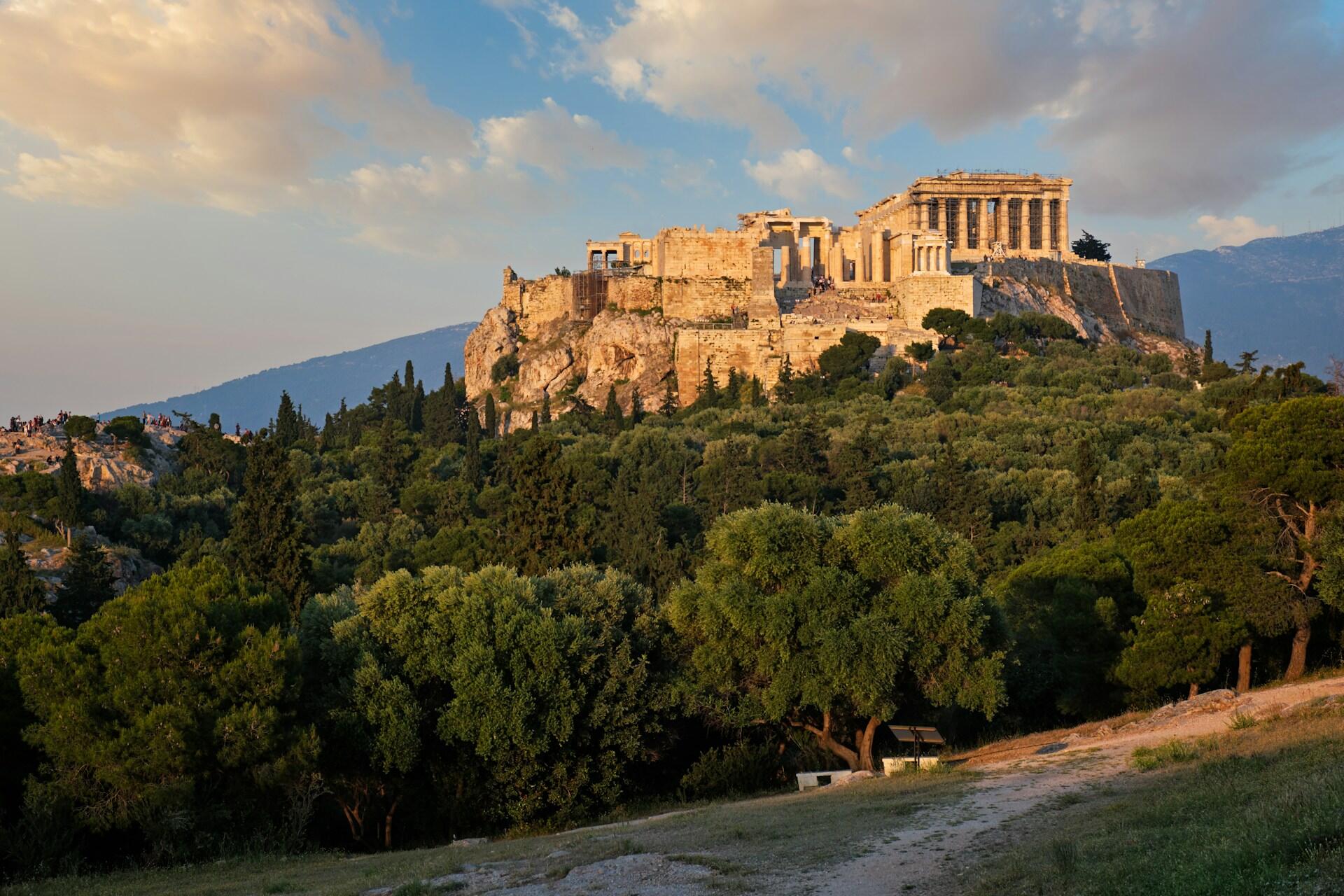
A view of the Acropolis in Athens.
Greece was the cradle of democracy, philosophy and the Olympic Games. Its thinkers and architects helped shape the development of Western thought.

Maya Civilisation

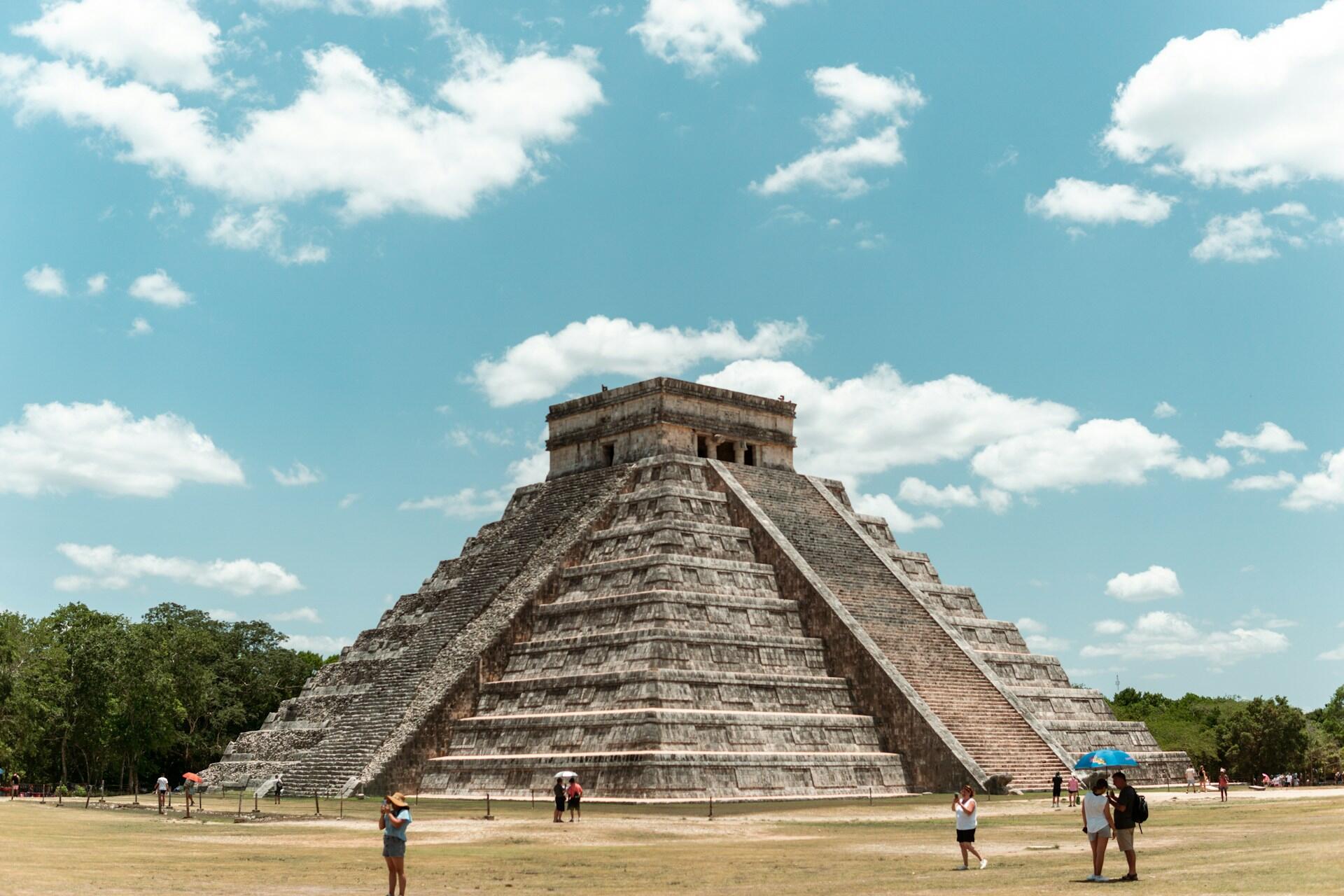
Chichen Itza in Mexico
Known for their precise calendars and advances in astronomy, the Maya built impressive temples and developed a complex writing system.

Chinese Civilisation

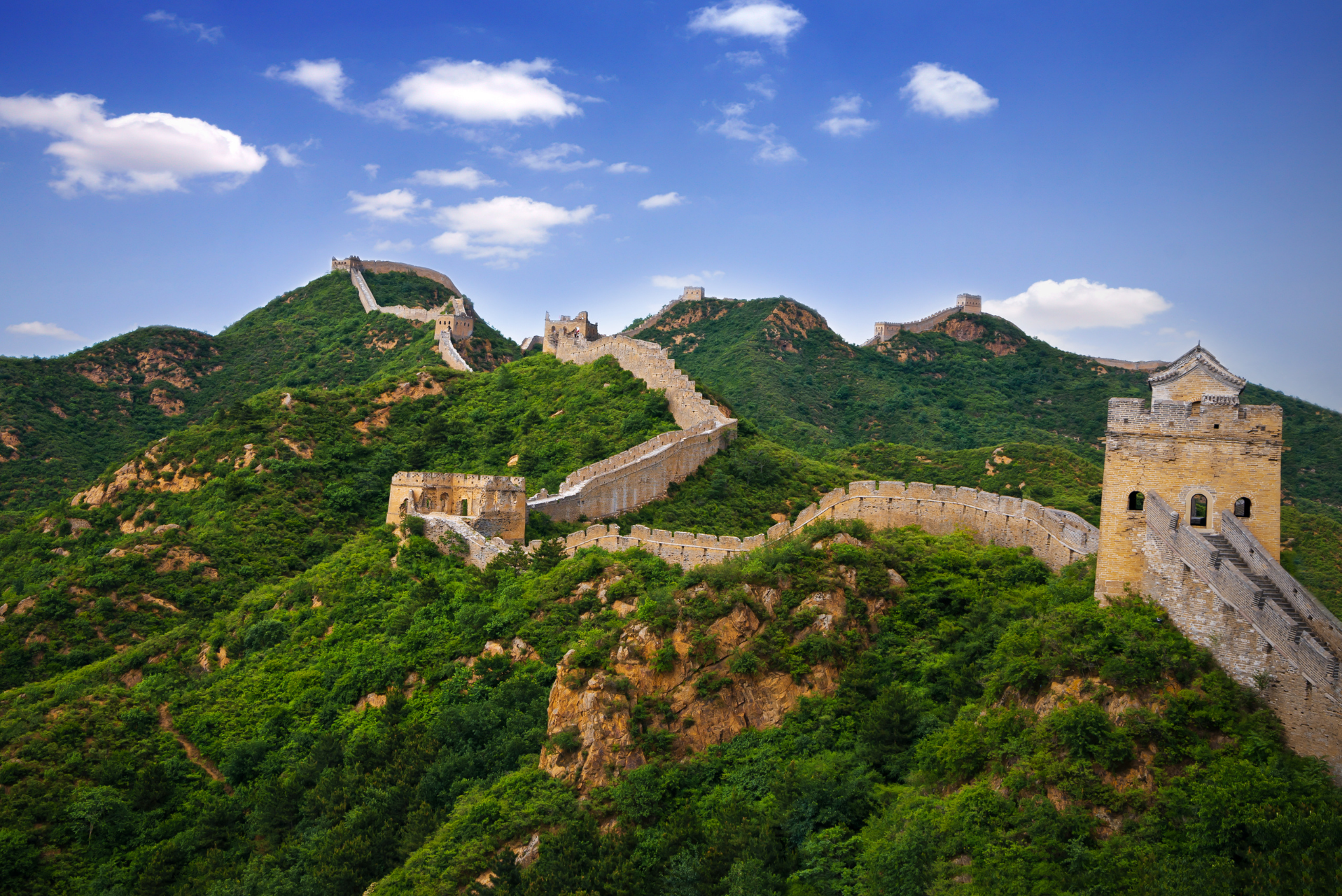
The Great Wall of China
Chinese civilisation contributed major inventions such as paper, the compass and gunpowder, as well as advances in medicine, philosophy and statecraft.

Mesopotamia

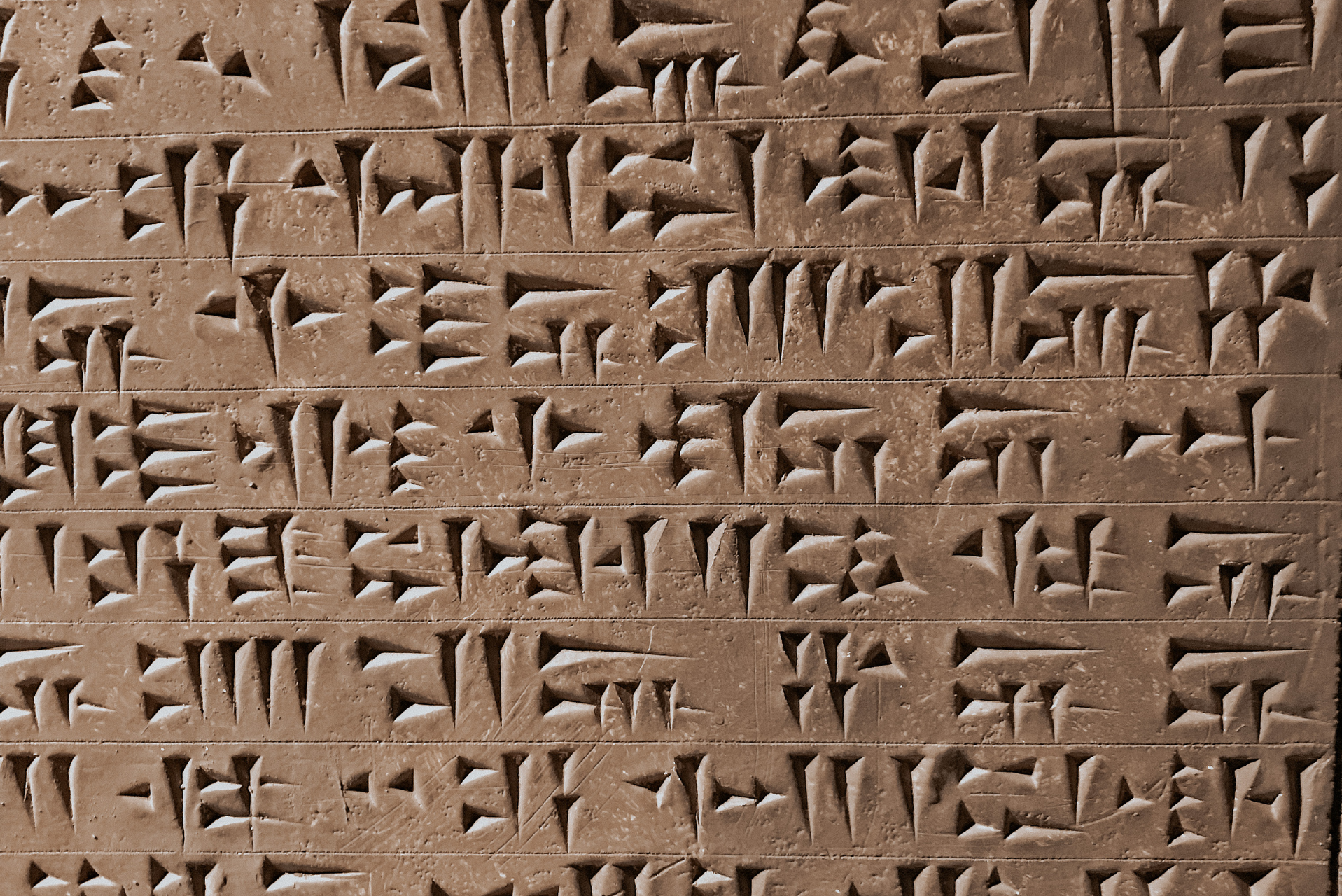
The ancient writing of Mesopotamia.
Often considered one of the cradles of civilisation, Mesopotamia gave the world cuneiform writing, early legal codes and other important advances.

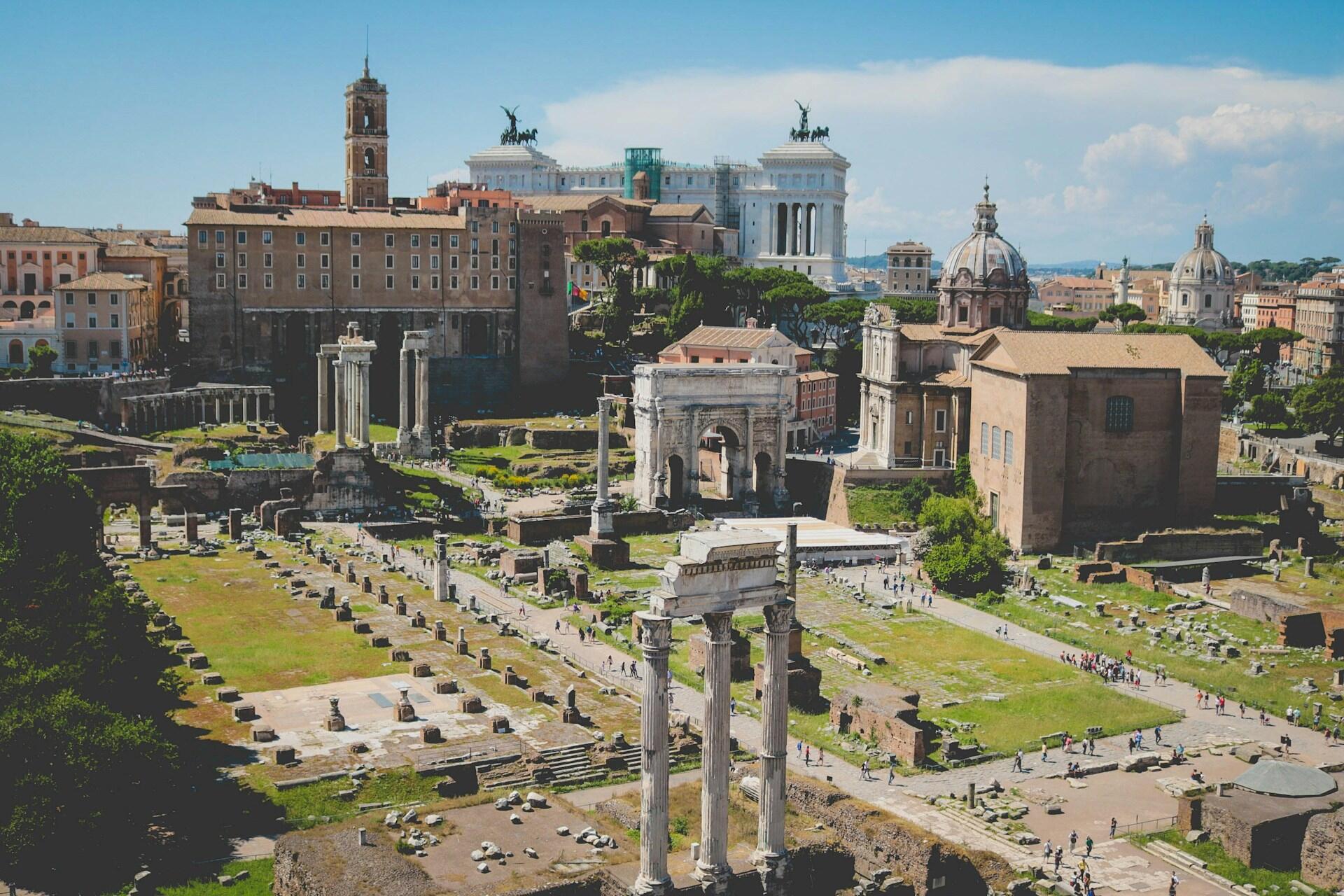
Roman Empire

The Roman Forum
The Roman Empire left a lasting legacy in law, architecture, engineering, infrastructure and administration across Europe and the Mediterranean world.

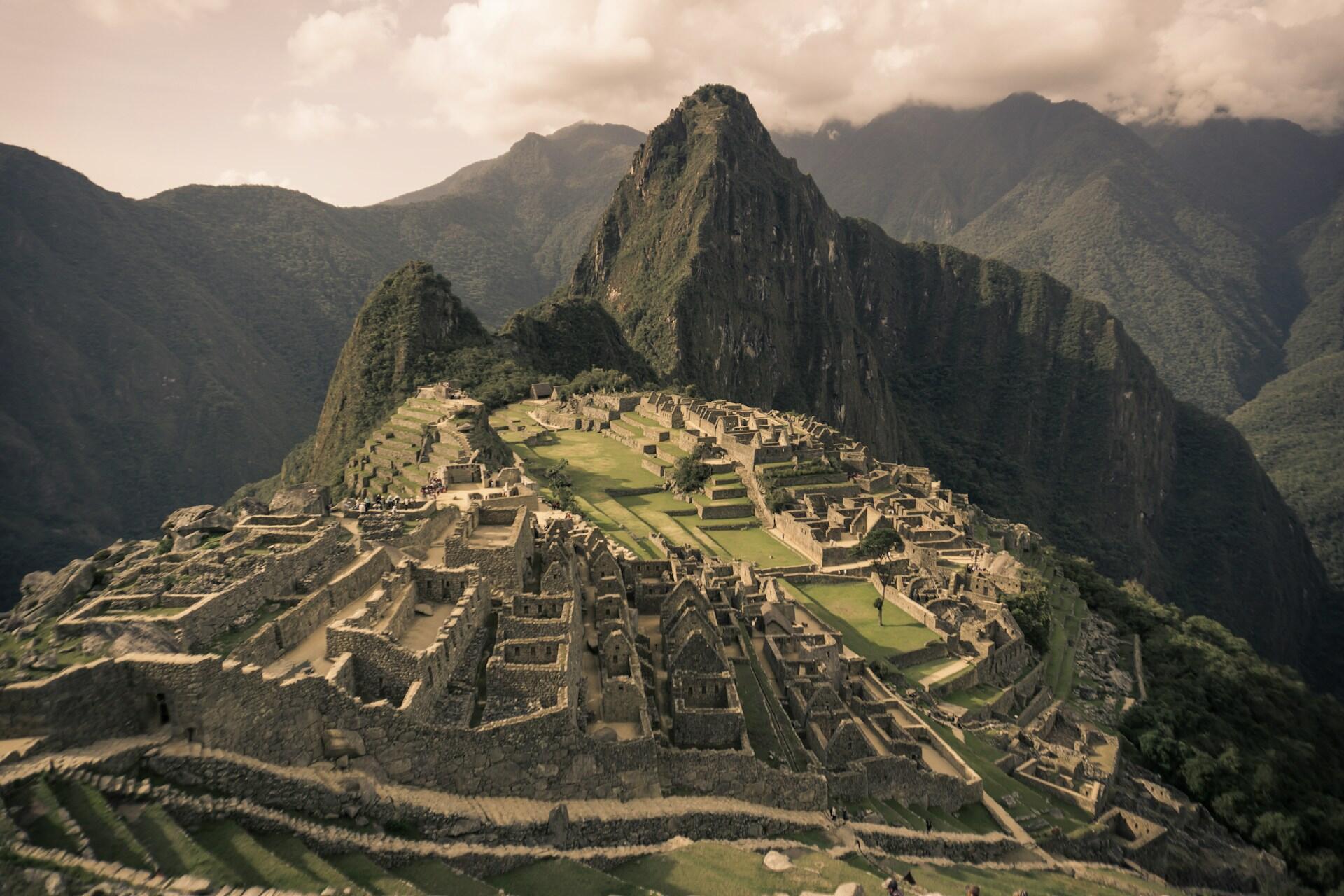
Inca Empire

Machu Picchu
The Incas were noted for their impressive mortarless constructions and their network of roads connecting vast mountainous regions.

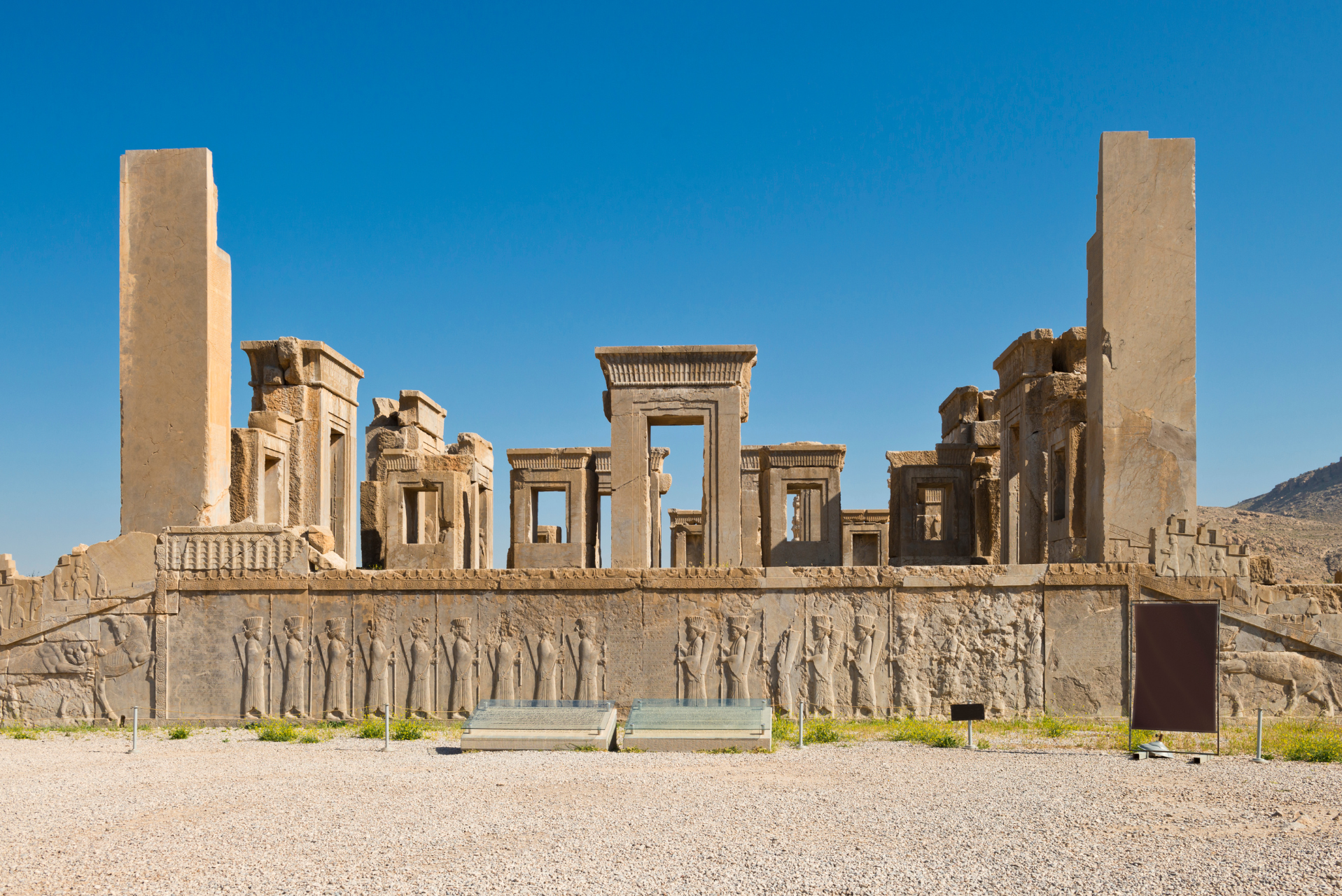
Persian Empire

Ancient stone ruins with carved reliefs and tall columns under a clear blue sky.
Its road networks and systems of religious and administrative tolerance influenced many later empires.

Other civilisations, such as the Phoenicians, Hittites and Indus Valley peoples, also played a key role in the cultural, commercial and political development of their regions and beyond. In the Mediterranean, the Phoenicians were especially important as traders, sailors and cultural connectors, leaving traces that are still relevant to the history of Malta and its surrounding region.

The Legacy of Ancient Civilisations

The legacy of these civilisations lives on in many forms. From the languages we speak, shaped in part by ancient writing systems and alphabets, to the architectural structures that continue to inspire modern engineers, the impact of these cultures is undeniable. Legal systems, forms of government, artistic traditions and scientific ideas all bear witness to the human ingenuity that flourished in ancient times.

Moreover, many recent discoveries have revealed new aspects of these civilisations, showing us that there is still much to learn.
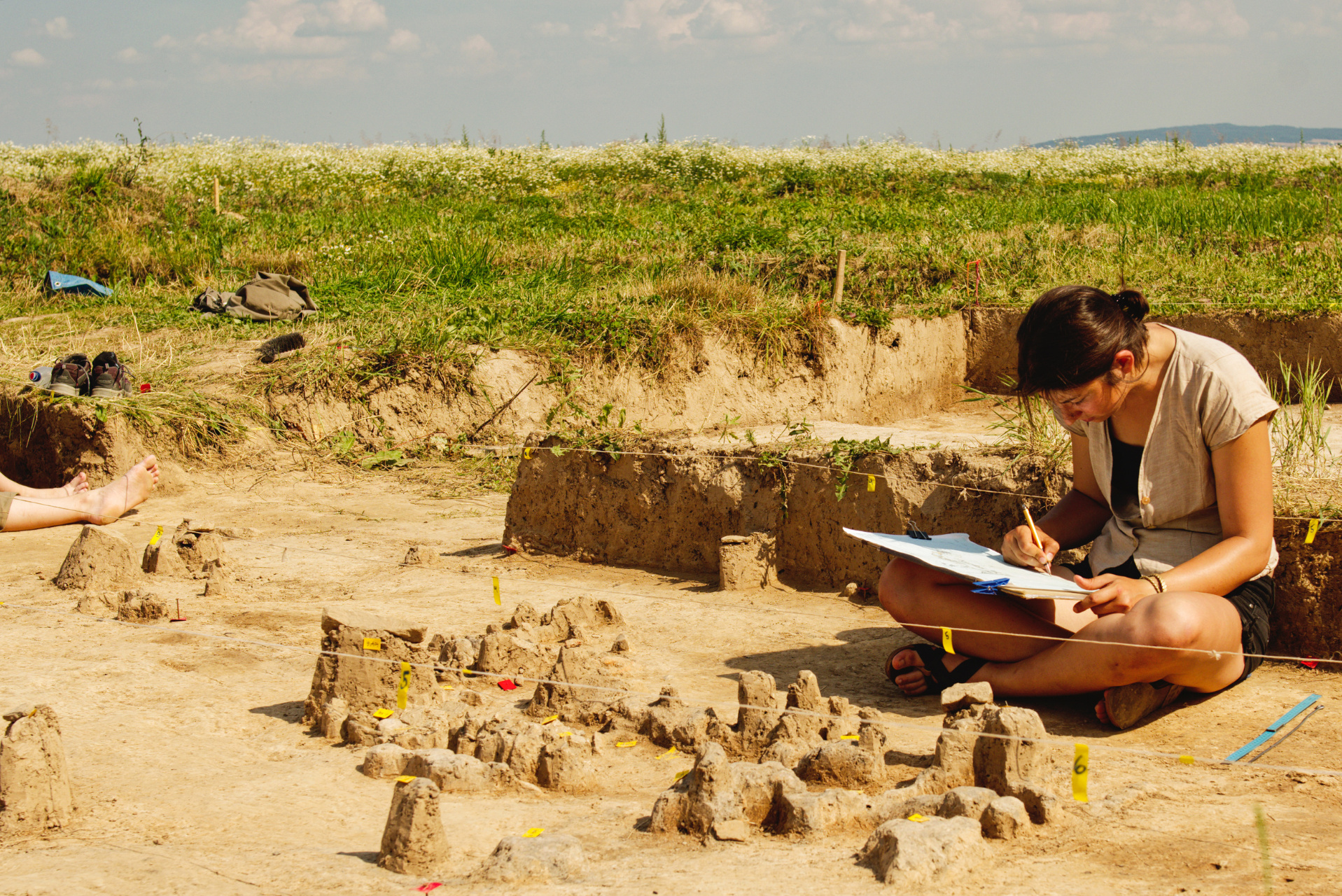
A female archaeologist sitting on the ground, with a calm expression and a natural environment around her.
Archaeology continues to unearth secrets and pieces that complete the puzzle of our shared history.

Studying ancient civilisations is a way to connect with our common past and better understand the present. It reminds us that, although the world has changed dramatically, many of the fundamental questions about life, society and the universe remain the same. Exploring their achievements and mistakes is a learning opportunity that invites us to reflect on the future we want to build.

What legacy will our civilisation leave for future generations, and how will we be remembered by those who study our history a thousand years from now?

It is interesting to think about which elements of our technology, culture and social systems will endure, and which might disappear or be transformed over time.

Summarise with AI:

Did you like this article? Leave a rating!

5.00 (1 rating(s))
Loading...

Liv

I have a strong interest in travelling, reading, and football, as each journey feels like opening a new chapter. When I’m not on the move, you’ll likely find me enjoying a good read or out on the football pitch.