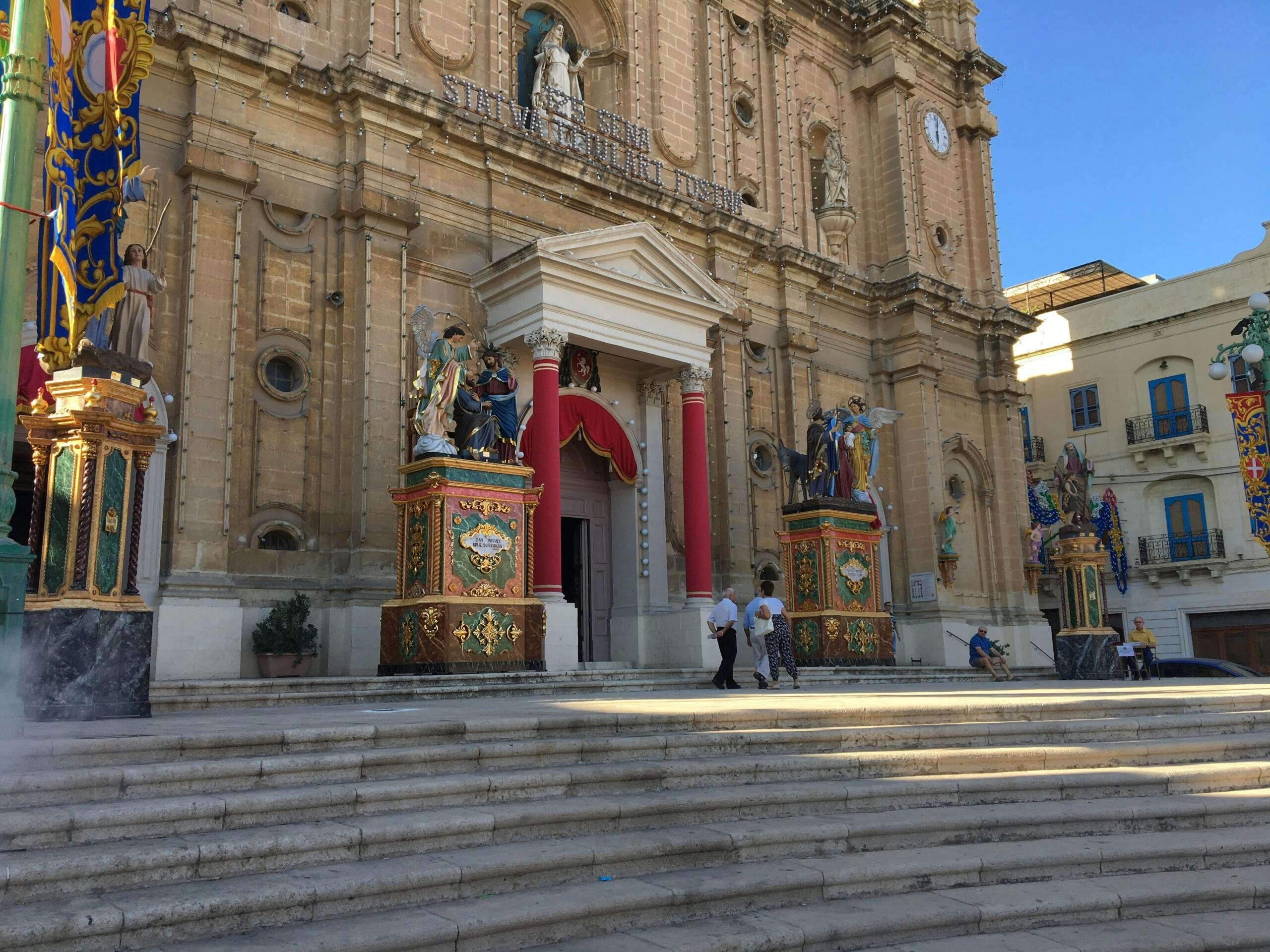
History of Malta Timeline: From Ancient Civilisations to Modern State Malta is a microcosm of Mediterranean history.Fernand Braudel The history of Malta stretches back thousands of years and reflects the island’s position at the centre of Mediterranean trade routes. Over time, Phoenicians, Romans, Arabs, Knights, and the British all left their mark. These layers of[…]
25 February 2026∙8 minutes to read
Learning History Through Sources, Timelines and Change
History helps students understand how societies, cultures and ideas have changed over time. It connects past events with the world we live in today, from political decisions and social movements to language, identity, conflict, migration and everyday life. On the Superprof Malta Blog, you’ll find History study guides, revision ideas and clear explanations for students and curious readers.
Whether you’re studying Malta’s own historical journey, revising European and world history, or preparing for school exams, this category helps make the past easier to organise and interpret. If you need more structured support with source analysis, essay writing or revision planning, you can compare history tutors in Malta, or choose online history lessons when learning from home fits your routine better.
History is more than dates and events
History is often described as the study of the past, but it is much more than memorising dates, rulers and battles. It helps students understand how people lived, what they believed, how societies were organised and why major changes took place.
For readers in Malta, history is especially close to everyday life. The islands carry traces of prehistoric communities, Mediterranean trade, the Knights of St John, the British period, the Second World War and Malta’s path towards independence and modern statehood. If a student needs help turning these layers into a clearer timeline, history tutors in Sliema can help organise topics more confidently.
What do students study in History?
History brings together local, European and world events. Students may study ancient civilisations, empires, revolutions, wars, political movements, social change, migration, culture and the development of modern states. Malta’s position in the central Mediterranean also makes it a strong starting point for understanding wider historical connections.
History revision may focus on:
- chronology, timelines and key turning points
- causes, consequences and long-term change
- source analysis and historical evidence
- Maltese, European and world history topics
- essay structure, arguments and exam-style answers
When students begin to connect events rather than learn them separately, the subject becomes much clearer. For learners who need support with source work or written answers, history lessons in Birkirkara can help build stronger study habits.
Why History can feel challenging
History can feel difficult because it asks students to do several things at once. They need to remember facts, but also explain why events happened, compare different viewpoints and use evidence carefully. A strong answer is not just a retelling of what happened; it shows why something mattered.
Sources can be another challenge. Students may need to analyse speeches, images, maps, letters, newspaper extracts or official documents. They must ask who created the source, when it was created, why it was created and what it can or cannot tell us. If this kind of analysis feels uncertain, history tuition in St. Paul’s Bay can help students practise the method step by step.
How to revise History more effectively
History revision works best when students organise each topic into key people, main events, causes, consequences, turning points and useful examples. Timelines can help with chronology, while mind maps can show how political, social, economic and cultural factors connect.
For example, when revising Malta during the Second World War, students might organise notes around military strategy, civilian life, shortages, air raids, the George Cross and the wider Mediterranean campaign. If longer answers feel difficult to plan, history tutors in Mosta can help students move from notes to structured explanations.
History helps students understand change
History is useful beyond the classroom because it encourages careful thinking, context and perspective. It helps students understand identity, conflict, migration, citizenship, political change and the ways societies remember their past.
Before revising, it helps to identify the real sticking point: timelines, source analysis, essay structure, Maltese history, European history or exam technique. If the goal is to build confidence gradually, history tutors in Qormi can help students focus on the next useful step.