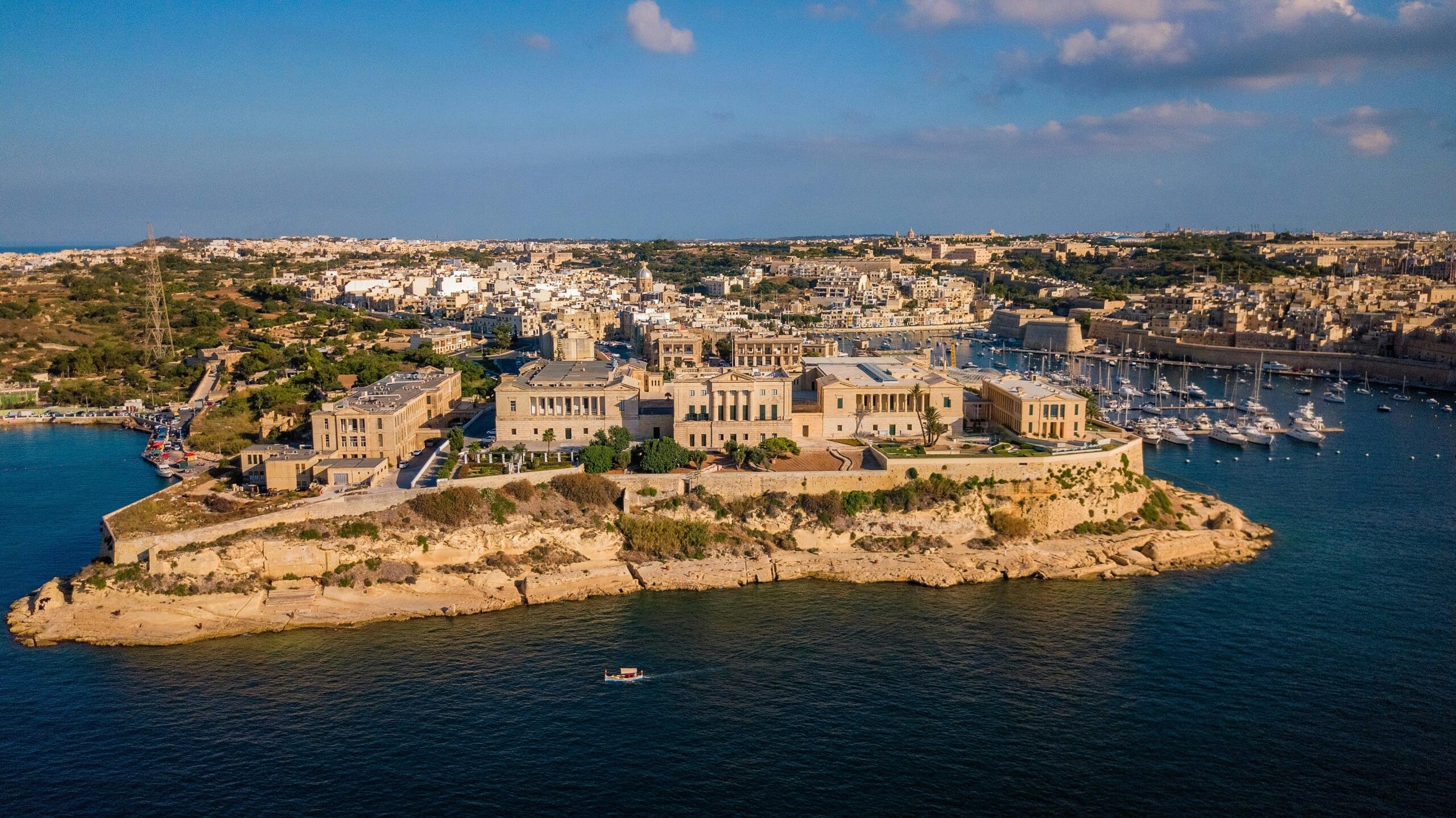

Studying in Malta comes with a financial picture that is more nuanced than a simple "affordable destination" label suggests. Tuition fees, accommodation, daily expenses and one-off setup costs all add up differently depending on where you study, what you study and where you are from. This guide breaks down the real costs involved so you can plan your budget before you arrive or before you enrol. For broader context on the education landscape, see higher education in Malta.
🎓 Tuition fees vary by institution, programme, level and student nationality
🏛️ The University of Malta, MCAST and ITS are Malta's three main publicly funded institutions
🏠 Accommodation is typically the largest monthly expense for students
💶 Monthly living costs start from around €690 and rise depending on lifestyle and location
🔍 Scholarships and grants exist but eligibility varies — none should be assumed
🌍 EU and non-EU students face different fee structures across all institutions


Tuition Fees in Malta: What to Expect
Tuition fees in Malta vary considerably depending on the institution, the level of study and the student's nationality or residency status. There is no single figure that applies across the board.
At the University of Malta, Maltese nationals and EU citizens enrolled in undergraduate programmes have historically benefited from heavily subsidised or waived tuition fees under government policy, though this does not apply universally across all programmes or levels of study. Non-EU international students pay full fees, which for undergraduate programmes start from around €8,500 per year depending on the programme. Postgraduate fees for international students vary more widely. For a full overview of available programmes, see University of Malta courses.¹

For students considering a more vocational or applied route, MCAST courses span MQF Levels 1 through to postgraduate level. MCAST fees also differ between EU and non-EU students and between full-time and part-time enrolment, so it is worth checking directly with the admissions team for current programme-specific figures.
Private institutions in Malta, including the American University of Malta and Global College Malta, set their own fee structures. Fees vary considerably by institution and programme, so always verify current figures directly with the provider.
Student Accommodation in Malta
Accommodation is typically the largest single cost for students in Malta, and prices vary considerably depending on location, housing type and the length of stay. For international students, accommodation availability and costs should be factored into the overall budget from the outset — options fill up quickly before the September intake.
The most common option for longer-term students is a room in a shared apartment on the open market. Prices start from around €400 per month for a room in areas close to the University of Malta campus in Msida, with bills often included. Locations such as St Julian's, popular for its proximity to language schools and student social life, tend to cost more. Students looking for lower rents sometimes consider areas further north such as St Paul's Bay, though this comes with a longer daily commute.²
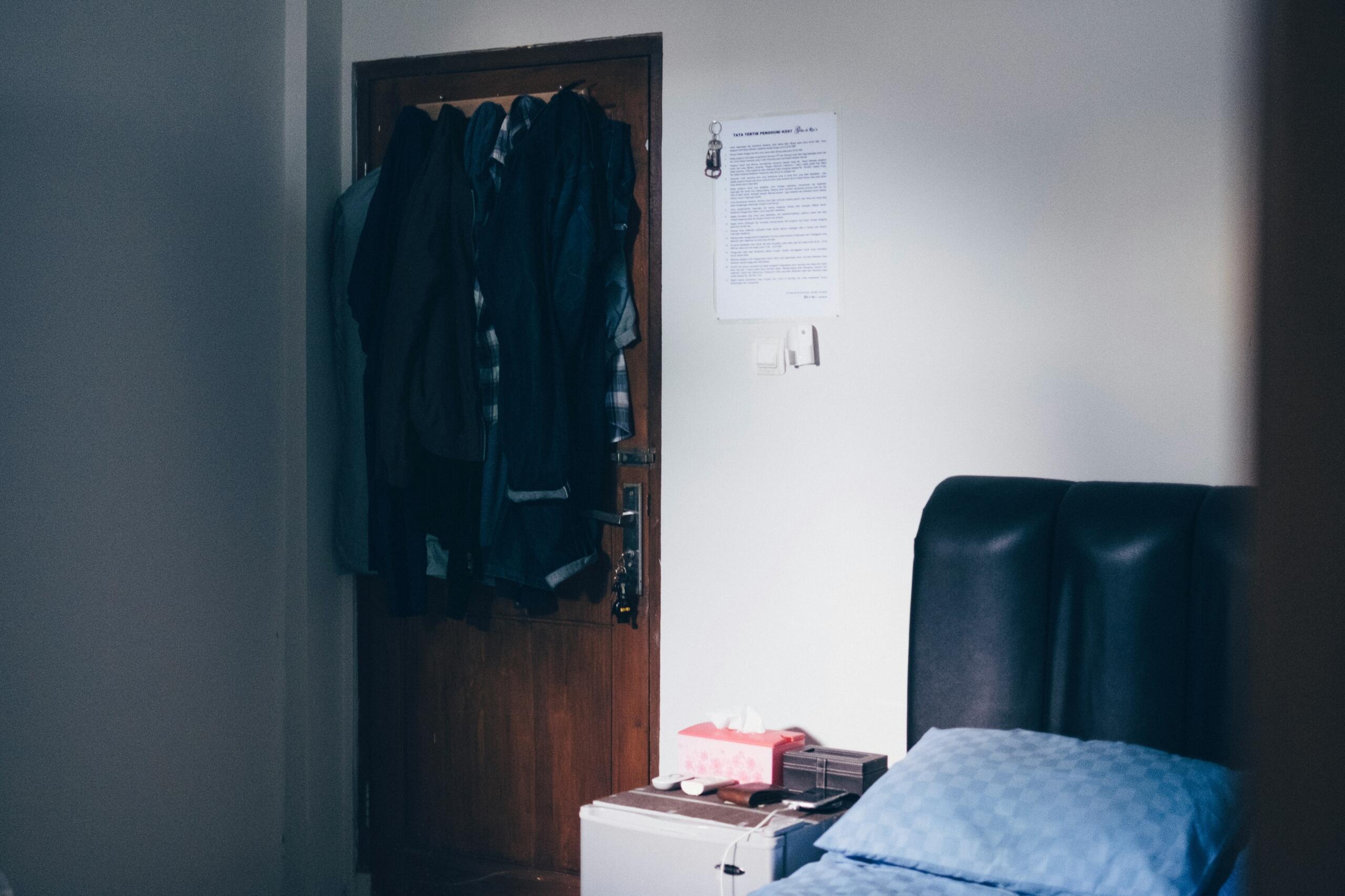
Purpose-built student residences are available but limited. Campus Hub in Msida, adjacent to the University of Malta, offers rooms from around €147 per week for academic-year stays. The University of Malta also operates a residence in Lija, available on a quote basis through the accommodation office. Students researching universities in Malta for international students should factor accommodation into their planning from the point of application.
Leases in Malta must be registered with the Housing Authority within 30 days of signing, deposits are typically one month's rent, and since July 2026 a nightly environmental contribution of €1.50 per person (aged 18 and over, capped at €22.50 per continuous stay) applies to licensed tourist and short-stay accommodation — it does not apply to standard long-term residential leases.²
Everyday Living Expenses
Beyond accommodation, day-to-day costs in Malta are moderate but should not be underestimated. Food, transport and connectivity together form a meaningful part of the monthly budget.
🛒 Food and Groceries
A weekly grocery shop starts from around €35 per person. Eating out for a casual lunch costs €6+, while a sit-down dinner at a mid-range restaurant runs to €15 and above. Coffee is typically €2 to €3.50.³
🚌 Transport
Malta's public bus network is inexpensive. Holders of a personalised Tallinja Card travel free on day routes, night routes and special services. A Student Tallinja Card has a one-off registration fee of €25. Ride-hailing via Bolt is available for less regular journeys.³
📱 Utilities and Connectivity
Wi-Fi is included in most shared accommodation. A prepaid mobile SIM starts from around €10 per month for a basic plan. Many beaches, coastal walks and historic sites in Malta are free to access, which helps keep leisure costs down.³
Upfront and One-Off Costs
Before regular monthly spending begins, students should budget for a set of one-off costs that are easy to overlook. These apply regardless of whether you are enrolling at a university or through MCAST courses at any MQF level.
- Security deposit — typically one month's rent
- First month's rent in advance
- Airport transfer on arrival
- SIM card setup and initial top-up
- Study materials and course books for the first semester
- Health insurance — required for non-EU students; EU students with a valid EHIC card are covered for medically necessary, state-provided healthcare during their stay
- Visa or residence permit application fees — non-EU students only
- Shipping or excess baggage costs if moving from outside Malta

Scholarships, Grants and Erasmus+
Several funding options may be available to students in Malta, though eligibility, deadlines and available awards vary by year and by scheme. The main starting points are:
Ways to Reduce Your Costs
There are practical steps students can take to keep costs manageable throughout the academic year.
- Secure accommodation early - the best-value rooms in central areas go quickly before the September intake
- Register for a Student Tallinja Card - travel on day and night routes is free once registered
- Cook at home where possible - groceries are considerably cheaper than eating out regularly
- Take advantage of Malta's free beaches, coastal walks and outdoor spaces for leisure
- Ask about student discounts at museums, cinemas and transport providers
- Share with two or more flatmates rather than one - larger apartments spread costs further
- Check scholarship and grant deadlines early - application periods vary by scheme and year.
Malta's relatively compact size also works in students' favour when it comes to managing costs day to day. Getting around the island by bus is straightforward and inexpensive, most beaches and historic sites are free to visit, and the concentration of student life in a small number of areas means that socialising does not require spending a lot.
Students who plan their accommodation and transport well from the start tend to find the monthly budget more manageable than initial estimates suggest. The key is to treat the figures above as a floor rather than a ceiling. Your actual costs will depend on the habits you build in the first few weeks.
Sample Monthly Student Budgets
The figures below are indicative and based on 2025/26 pricing. Individual spending will vary depending on lifestyle, location and institution.
| Expense | Budget | Mid-Range |
|---|---|---|
| Accommodation | from €450 | from €600 |
| Food and groceries | from €150 | from €220 |
| Transport | €25 (one-off registration) | €25 (one-off registration) |
| Mobile | from €10 | from €15 |
| Leisure and incidentals | from €80 | from €150 |
| Total | ~€690+ | ~€985+ |
These figures cover living costs only and do not include tuition fees, which should be budgeted separately based on your specific institution and programme. Malta offers a genuinely varied range of study options and living situations, and your actual costs will depend heavily on the choices you make — from where you live to how often you eat out. The most important step is to build your budget around your specific course, institution and lifestyle rather than relying on averages. Planning ahead, applying for funding early and securing accommodation before the September rush will put you in the strongest position for the year ahead.
References
- University of Malta. "Fees and Funding." um.edu.mt, https://www.um.edu.mt/study/feesfunding/. Accessed 28 Sept. 2026.
- MaltaExpat. "Student Accommodation in Malta 2026: Prices and Every Option." maltaexpat.com, https://maltaexpat.com/housing/student-accommodation-malta-guide/. Accessed 28 Sept. 2026.
- Malta Lingua. "Cost of Living in Malta for Students." blog.maltalingua.com, https://blog.maltalingua.com/cost-living-malta-students/. Accessed 28 Sept. 2026.
- Malta Government Scholarship Scheme. "Scholarship Calls." myscholarship.gov.mt, https://myscholarship.gov.mt/en/. Accessed 28 Sept. 2026.
Summarise with AI:
Did you like this article? Leave a rating!

 Loading...