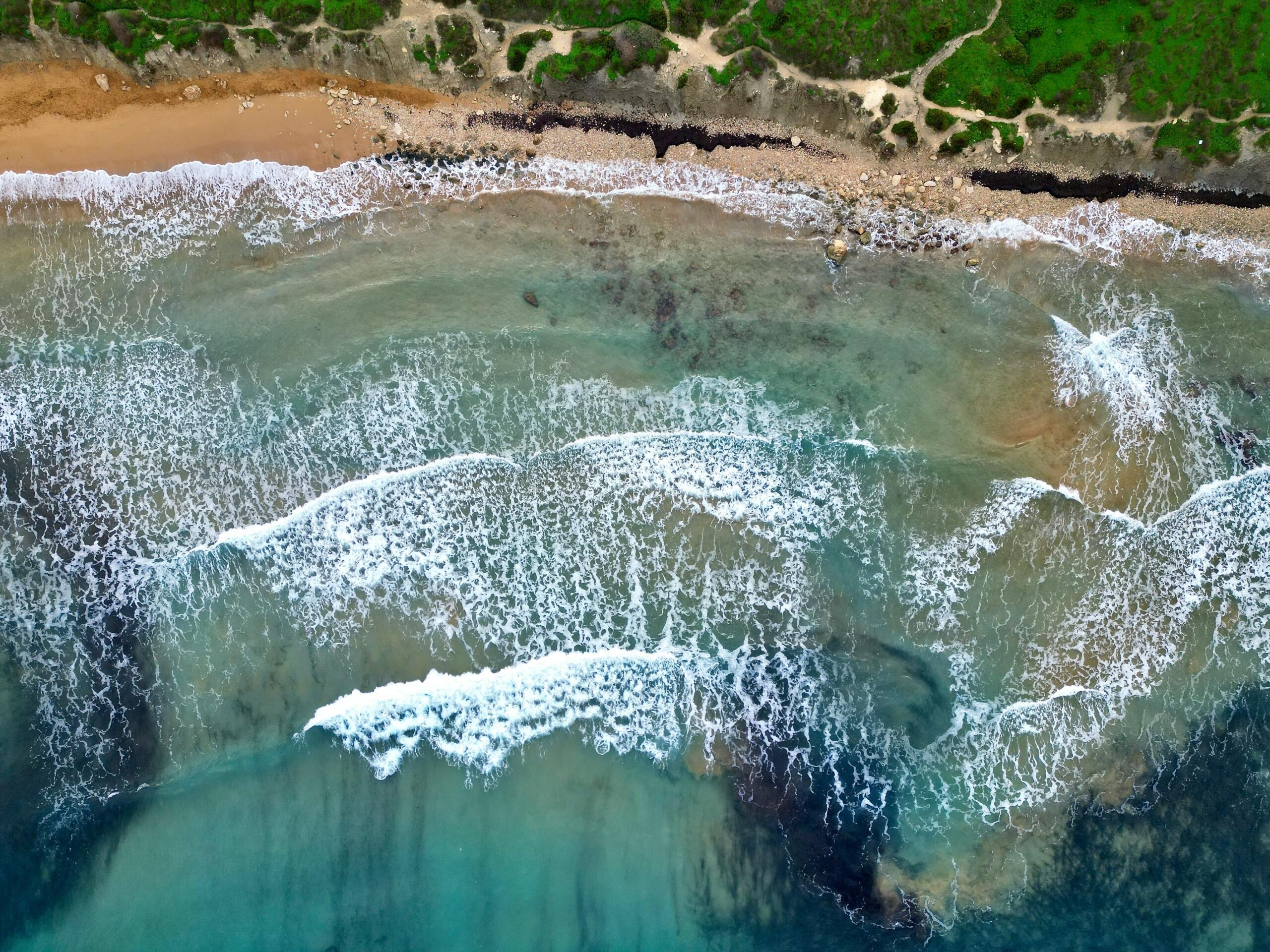

Whether at a sandy beach, a rocky bay or an outdoor pool, swimming is one of the best ways to cool down during Malta’s warm summer months. However, water also carries risks. Accidents are often caused by carelessness, limited water-safety knowledge or misjudging the conditions.
Even a familiar bay can become hazardous when the wind changes, waves increase or visibility deteriorates. Safe swimming habits are therefore important for children and adults, as well as residents and visitors.
Take our quiz to test your knowledge and refresh the essential rules before your next trip to the beach or pool.
Quiz
Quiz :





What Are Swimming Safety Rules?
Swimming safety rules help prevent accidents and allow everyone to enjoy the water responsibly. In Malta, swimmers should follow official signs, safety flags and instructions from lifeguards or the emergency authorities. The Environmental Health Directorate also monitors water quality at official bathing sites across Malta, Gozo and Comino during the bathing season.
Swimming safety guidelines generally cover three main areas:
Before swimming
Check that you feel well, assess the conditions and avoid entering the water after drinking alcohol.
While swimming:
Stay aware of your surroundings, respect other swimmers and follow all posted safety signs.
In an emergency:
Know how to call for help and assist someone in danger without putting yourself at unnecessary risk.
These rules are based on practical lifesaving knowledge. Learning and following them can prevent injuries and save lives.
Essential Rules for Safe Swimming
🏊♀️ Only swim if you feel well
Do not enter the water if you feel unwell, exhausted, overheated or very cold. If you have a medical condition that may affect you while swimming, avoid going alone.
🍽️ Avoid swimming immediately after a heavy meal
A large meal can leave you feeling uncomfortable or tired. At the same time, you should not enter the water when you feel weak, dehydrated or have not eaten for a long period.
🍺 Do not drink alcohol before swimming
Alcohol affects coordination, reaction time and judgement. It can cause swimmers to underestimate waves, currents, distances and their own abilities.
🧍♂️ Avoid swimming alone
Whenever possible, swim with another person. If you are visiting a quieter coastal location, tell someone where you are going and when you expect to return.
🛟 Supervise children closely
Children need constant supervision, even in shallow water. Armbands, inflatable rings and other flotation aids can provide support, but they do not guarantee safety or replace an attentive adult.
📍 Choose an official bathing area
Choose a recognised bathing area whenever possible, preferably one with lifeguard coverage. Follow all flags, signs and instructions, and avoid locations marked as unsuitable for bathing.
🌊 Check the sea conditions
Malta’s coastal waters can change quickly. Strong winds, waves, currents and sudden changes in depth can create danger even when the sea initially appears calm. Conditions may also differ considerably from one side of the islands to another.
🪨 Be careful around rocky swimming spots
Rocky access points can be slippery, sharp and difficult to climb when waves increase. Use ladders or designated entry points where available, wear suitable footwear and identify a safe way out before entering the water.
🆘 Call for help rather than jumping in
If someone is in difficulty, raise the alarm and call Malta’s emergency number, 112. Throw them a flotation device, rope or another object that can help them remain above water.
Do not enter dangerous water unless you are trained and it is safe to do so. One person in difficulty can quickly become two.
Risks and Hazards: What to Be Aware Of Around Water
Swimming in the sea is very different from swimming in a pool. The water may contain currents, waves, sudden drop-offs and underwater obstacles. Visibility may also be limited.
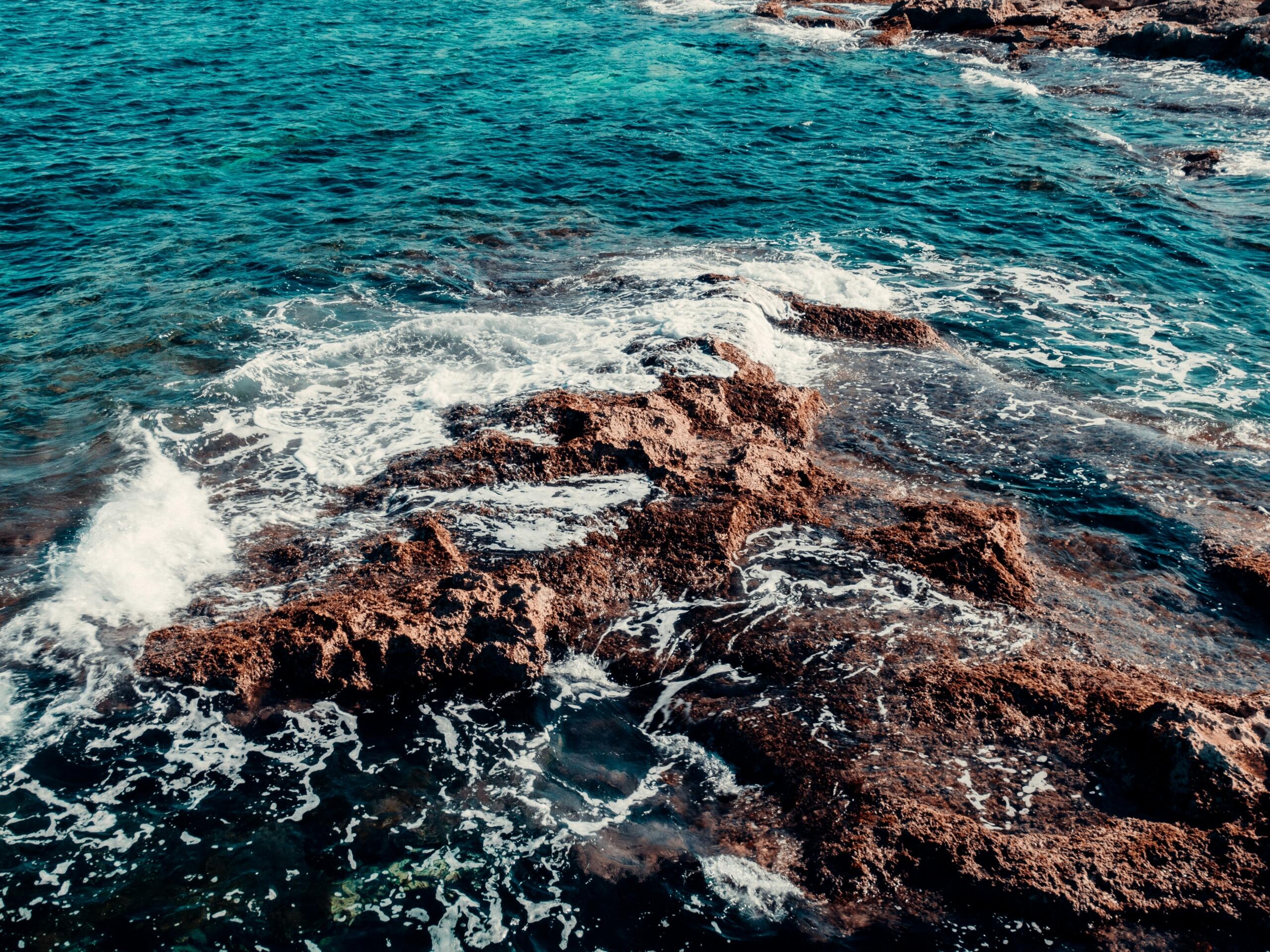
Malta’s rocky coastline presents additional challenges. Access points can become slippery, and waves may make it difficult to climb out of the water. Before entering, identify a safe exit point and consider whether you could still reach it if the conditions became rougher.
Not every part of the coastline is intended for swimming. Avoid closed harbour areas, marked non-bathing zones and places with frequent boat traffic. A convenient way into the water does not necessarily mean the area is safe.
Jellyfish are sometimes found near Malta’s beaches and rocky bays. Check the water before entering, follow local warnings and never touch a jellyfish, including one washed onto the shore.
You can consult the Malta Weather jellyfish map to see recently reported sightings around the Maltese Islands.
Common Dangers to Watch Out For
- Underestimated currents: Bays, channels and exposed coastal areas can have strong currents even when the surface looks relatively calm. A current may carry a swimmer away from the shore or make it difficult to return to the original entry point.
- Waves and changing winds: Sea conditions can change considerably during the day. Waves may make rocky access points dangerous or push swimmers towards rocks and other obstacles.
- Cold water shock: Although Malta’s sea is warm for much of the bathing season, water can still feel unexpectedly cold, particularly outside summer or after a sudden change in weather. Enter gradually and allow your body time to adjust.
- Overestimating your ability: Fatigue, muscle cramps and panic can affect even confident swimmers. Swimming in the sea often requires more effort than covering the same distance in a pool.
- Drinking alcohol: Alcohol impairs coordination, judgement and reaction time. It can also encourage risky behaviour such as swimming alone, diving from unsafe heights or entering rough water.
- Lack of supervision: Children can get into difficulty quickly and quietly. An adult should remain close enough to intervene immediately rather than supervising from a distant chair, café or mobile phone.
- Boats and personal watercraft: Swimmers can be difficult for boat operators to see, particularly outside designated swimming zones. Remain inside marker buoys where they are provided and stay away from harbour entrances, ferry routes and areas with regular boat traffic.
Prevention Starts With Awareness
Simple decisions can prevent serious accidents. Avoid alcohol, stay within designated swimming areas, supervise children continuously and never dive where you do not know the depth.
Water safety also means:
- Knowing basic first aid
- Learning how to use rescue equipment
- Knowing Malta’s emergency number, 112
- Remaining calm during an emergency
- Checking sea and weather conditions
- Following lifeguard instructions and local warnings
- Recognising when conditions exceed your swimming ability
By staying informed and making responsible decisions, residents and visitors can help keep Malta’s beaches, pools and coastal waters safer for everyone.
Summarise with AI:
Did you like this article? Leave a rating!

 Loading...