
Open Water Swimming in Malta: A Complete Guide
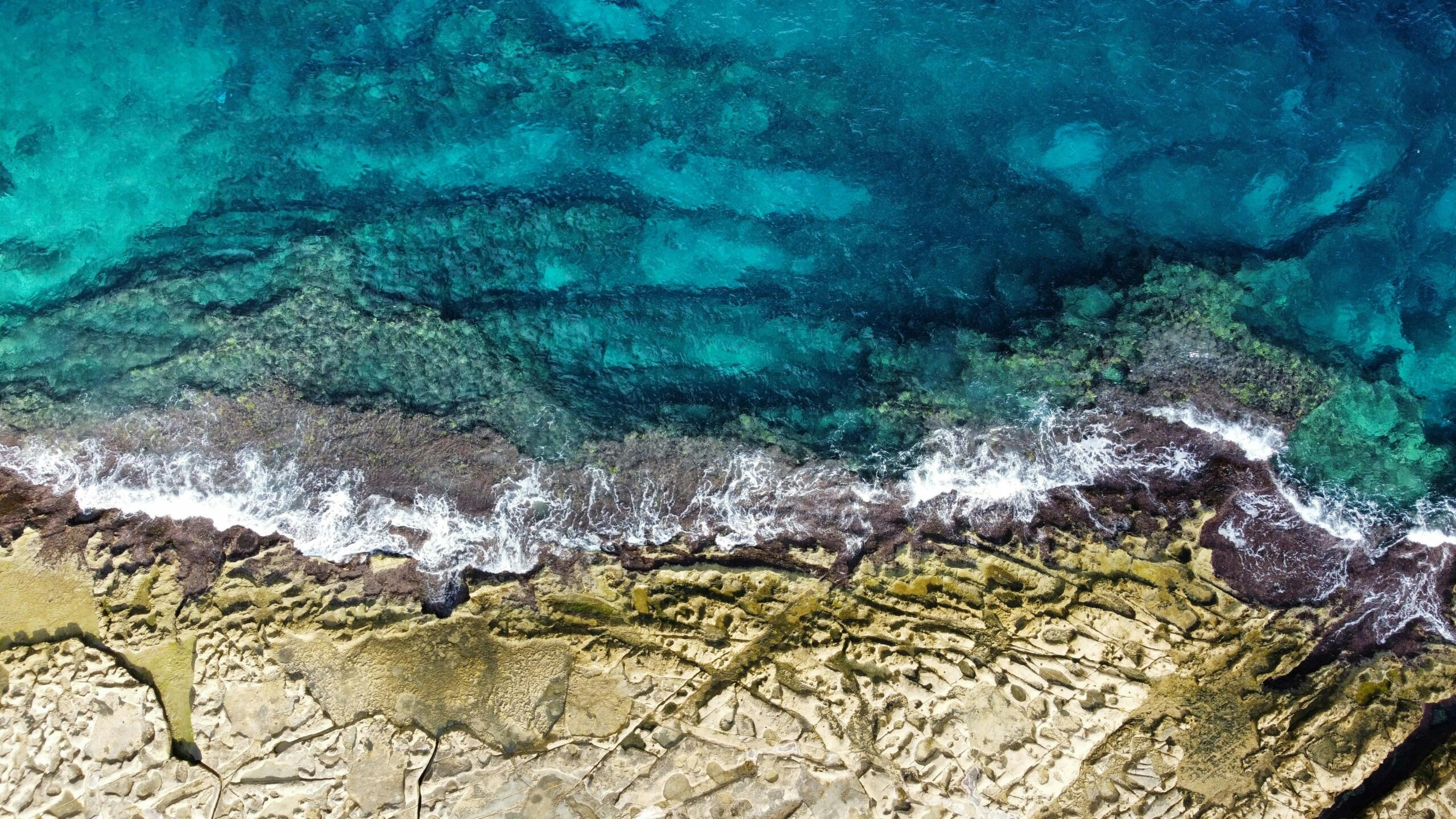
Swimming in the Sea in Malta: What You Need to Know Malta is one of the best places in Europe to swim in the sea. The island sits at the heart of the Mediterranean, surrounded by some of the clearest water on the continent. For many people living here, a morning dip before work or[…]
28 July 2026∙7 minutes to read
Learning to Swim with Confidence, Technique and Safety
Swimming is both a practical life skill and a rewarding way to stay active. Whether you want to learn as an adult, help your child feel safer in the water, improve your technique or prepare for open water swimming, this category brings together articles to guide your progress.
On the Superprof Malta Blog, you’ll find swimming tips on water confidence, breathing, floating, freestyle, breaststroke, backstroke, endurance, pool training and sea swimming. If you want structured support beyond the articles, you can compare swimming coaches in Malta who offer lessons adapted to different ages, levels and goals.
Swimming starts with confidence in the water
Swimming is especially relevant in Malta, where the sea, pools and coastal lifestyle are part of everyday life. For some learners, swimming is about water safety and confidence. For others, it is a form of fitness, relaxation, technique training or preparation for open water swimming.
Learning to swim does not happen in one step. Beginners may start with floating, breathing and becoming comfortable in the water, while more experienced swimmers may focus on stroke technique, stamina, turns or efficient movement. If a learner needs a calm starting point, swimming coaches in St. Paul’s Bay can help build confidence gradually.
Which swimming skills matter most?
Different swimming goals require different skills. A beginner may need to feel safer in the water, while an intermediate swimmer may want better breathing, a smoother stroke or more endurance. Stronger swimmers may focus on speed, open water preparation or competitive technique.
Swimming lessons may include:
- floating, balance and body position
- breathing technique and rhythm
- freestyle, breaststroke, backstroke and butterfly
- kicking, arm movement and coordination
- turns, starts and pool technique
- endurance, pacing and open water awareness
Small technical changes can make swimming feel much smoother. Better breathing, a more stable body position or a cleaner kick can help a swimmer use less energy and move more comfortably. For learners working on these details, swimming lessons in Birkirkara can make practice more focused.
Why swimming can feel difficult at first
Swimming can feel challenging because learners must coordinate breathing, body position and movement while staying calm in the water. For children, this may mean slowly building trust and water confidence. For adult beginners, it may involve overcoming fear, tension or habits that make floating and breathing harder.
A patient approach matters. Rushing technique before the learner feels settled in the water can make progress more difficult. If the main goal is to reduce anxiety and learn step by step, swimming coaches in Mosta can help create a more manageable learning rhythm.
Pool training and sea swimming in Malta
Pool swimming and sea swimming are connected, but they are not the same. Pools provide a controlled environment where learners can focus on technique, distance and repetition. Sea swimming requires extra awareness of waves, visibility, currents, temperature, entry points and other swimmers.
For Malta, this distinction is important. Many people enjoy swimming in the sea, but it is usually better to build confidence and technique in a safe, supervised setting before moving towards more challenging open water conditions. If a swimmer wants to improve technique before taking on outdoor goals, swimming lessons in Sliema can help strengthen the basics first.
Improving your swimming over time
Swimming progress comes from regular practice, good technique and clear feedback. Beginners may need time to feel relaxed in the water. Intermediate swimmers often benefit from correcting small habits that slow them down or make breathing harder.
It helps to focus on one skill at a time: one session for breathing, another for body position, another for kick or stroke timing. This makes practice more manageable and helps swimmers notice real improvement. Once the goal is clear, whether it is water confidence, fitness, stroke correction or open water preparation, swimming coaches in Qormi can help learners focus on the next useful step.