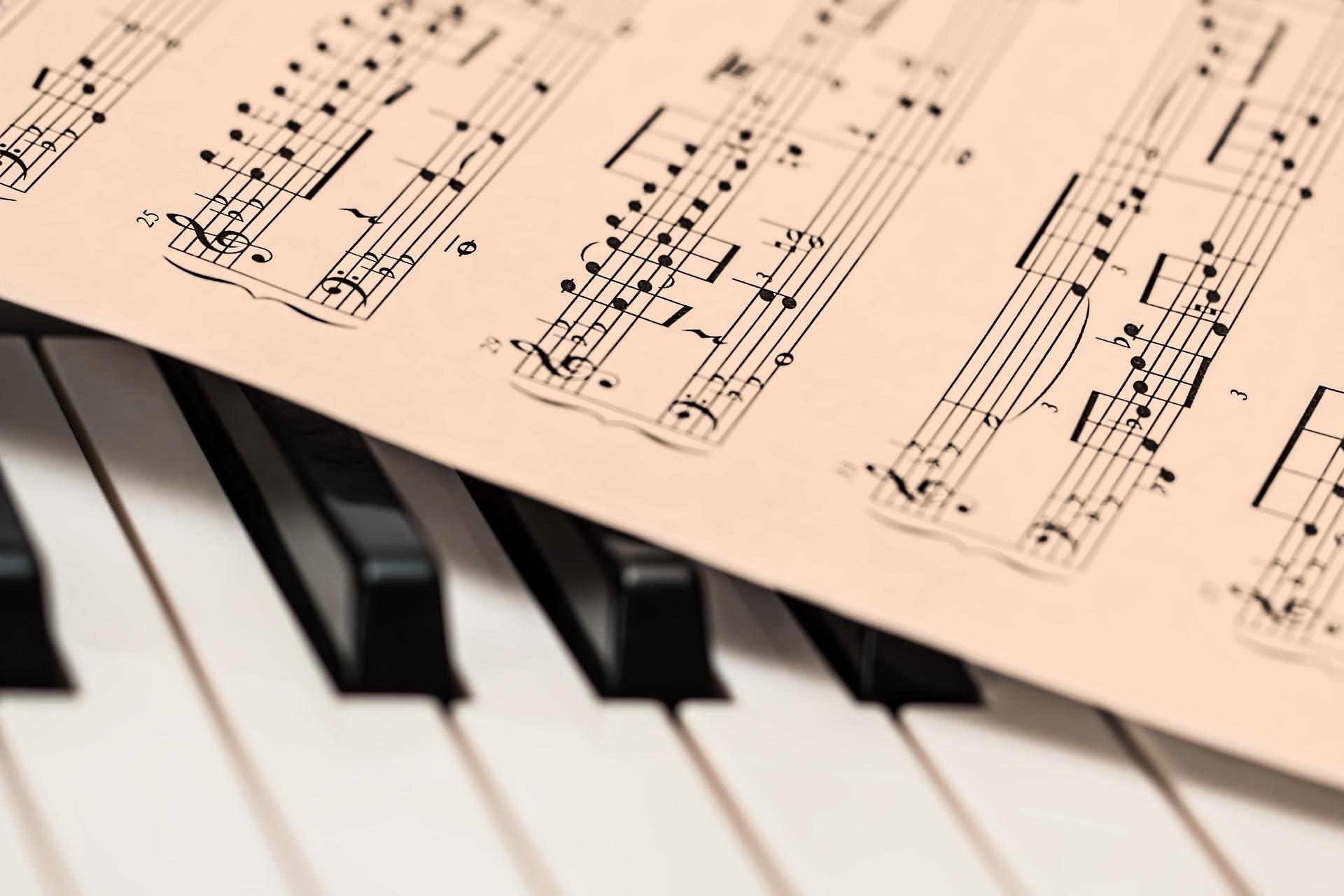

Ask anyone who has learnt the piano about their favourite pianist, and you will probably get a myriad of answers. Some may mention a pianist-composer from a specific classical music period, while others may refer to a renowned concert pianist currently on an international tour.
In this article, we will explore the lives and contributions of some of the most renowned pianists across different eras and genres.
| Pianist | Era/Genre | Notable Trait |
|---|---|---|
| Wolfgang Amadeus Mozart | Classical | Elegance, clarity, and concerto mastery |
| Ludwig van Beethoven | Classical → Romantic | Revolutionary compositions |
| Frédéric Chopin | Romantic | Poetic piano style |
| Franz Liszt | Romantic | Virtuoso showmanship |
| Clara Schumann | Romantic | Trailblazing female pianist |
| Arthur Rubinstein | 20th Century | Chopin interpretations |
| Sviatoslav Richter | 20th Century | Interpretative depth |
| Martha Argerich | Contemporary | Fiery technique |
| Krystian Zimerman | Contemporary | Precision and control |
| Arthur Tatum | Jazz | Technical genius |
| Herbie Hancock | Jazz | Genre fusion |
| Yuja Wang | Modern | Dazzling virtuosity |
| Lang Lang | Modern | Global ambassador for piano |


🎼 Classical Era Virtuosos
First, let's start with two of the most famous names during the Classical era.
🎹 Wolfgang Amadeus Mozart (1756–1791)
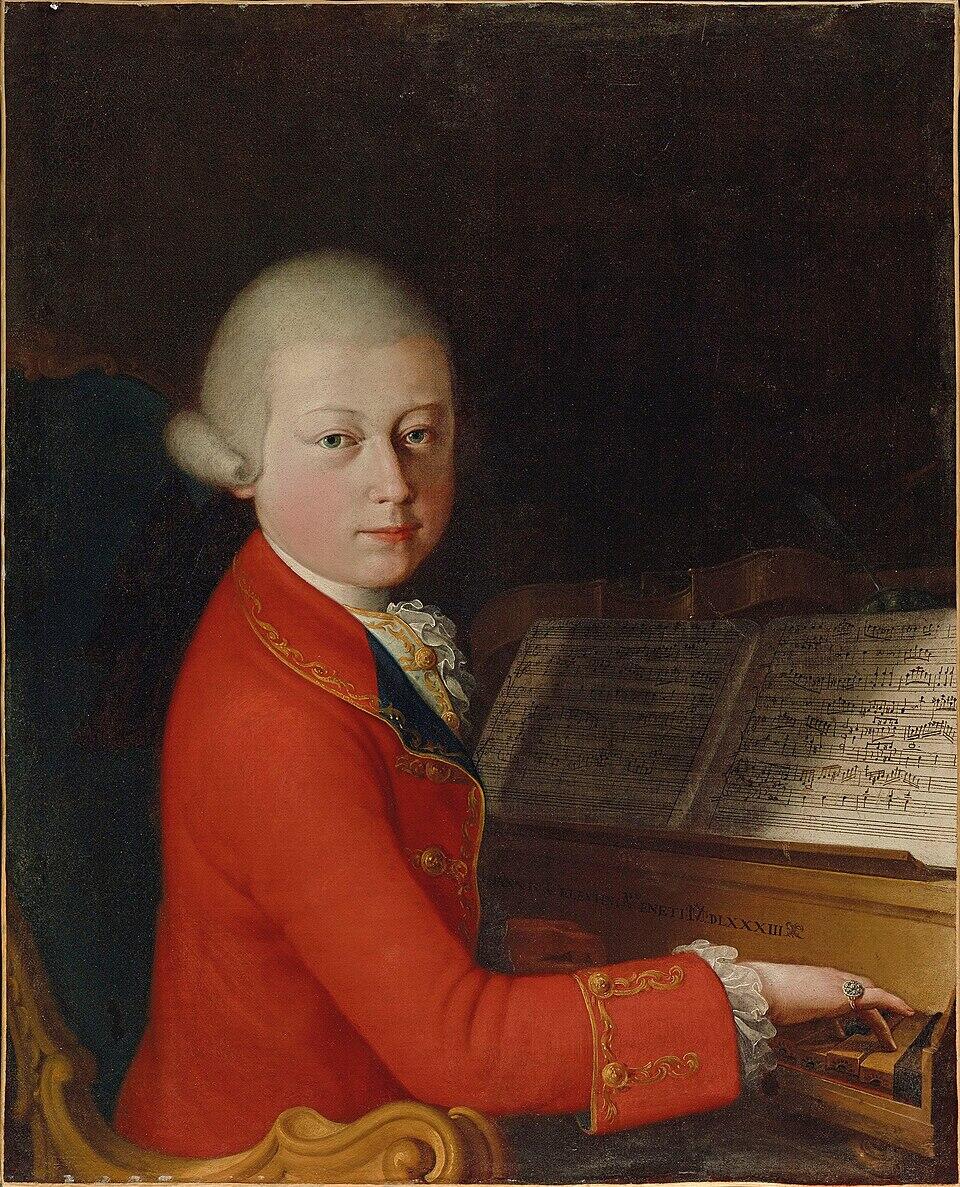
Widely known as a child prodigy, Wolfgang Amadeus Mozart certainly stands out as both a composer and pianist.
Born in Salzburg, he began composing at the age of five and soon performed for aristocrats and royalty across Europe.
Even after his death at the age of 35, his works continued to influence later composers such as Ludwig van Beethoven and Frédéric Chopin.
Throughout Mozart's career
He is one of the few composers who excelled in writing piano pieces like Rondo Alla Turca (Turkish March) and Piano Sonata No. 16 in C Major, K.545, as well as operas, including The Marriage of Figaro and Don Giovanni (K. 527).
🎹 Ludwig van Beethoven (1770–1827)
Born in Bonn, Germany, Beethoven is one of the most beloved composer-pianists to this day.
He was known for his majestic symphonies and piano sonatas — demonstrating his versatility and musical talent.
Beethoven's work and style generally fit into two different periods; his early works reflect the structured and balanced style of the Classical period, while his later works were more intense and dramatic — a key element of the Romantic period.
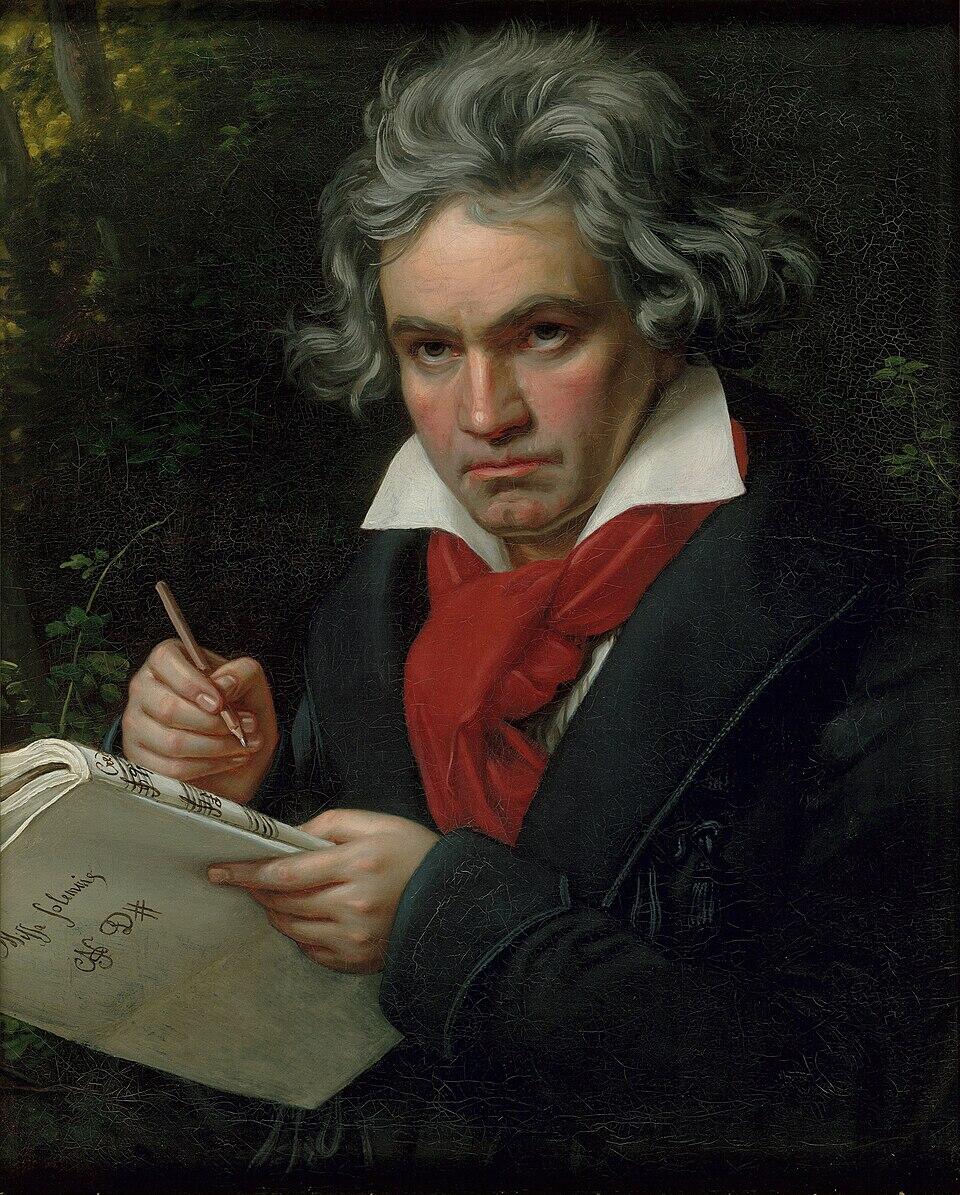
Beethoven noticed signs of early deafness when he was about 28, and completely lost his hearing in his 40s. 1 However, this did not stop him from composing major works such as Symphony No. 9 in D minor, Op. 125.
His works, such as Für Elise and Moonlight Sonata, are undeniably some of the greatest piano pieces ever written!
🎶 Romantic Period Maestros
Next, we'll explore three amazing pianists during the Romantic period.
The Romantic period witnessed the improvement of the piano in terms of a stronger frame and wider range. Frames switched from wood to metal, and the piano keys expanded from five to eight octaves. More composers wrote specifically for the piano than ever before, and the piano acted as a vehicle for personal expression and emotions. 2
🎹 Frédéric Chopin (1810–1849)
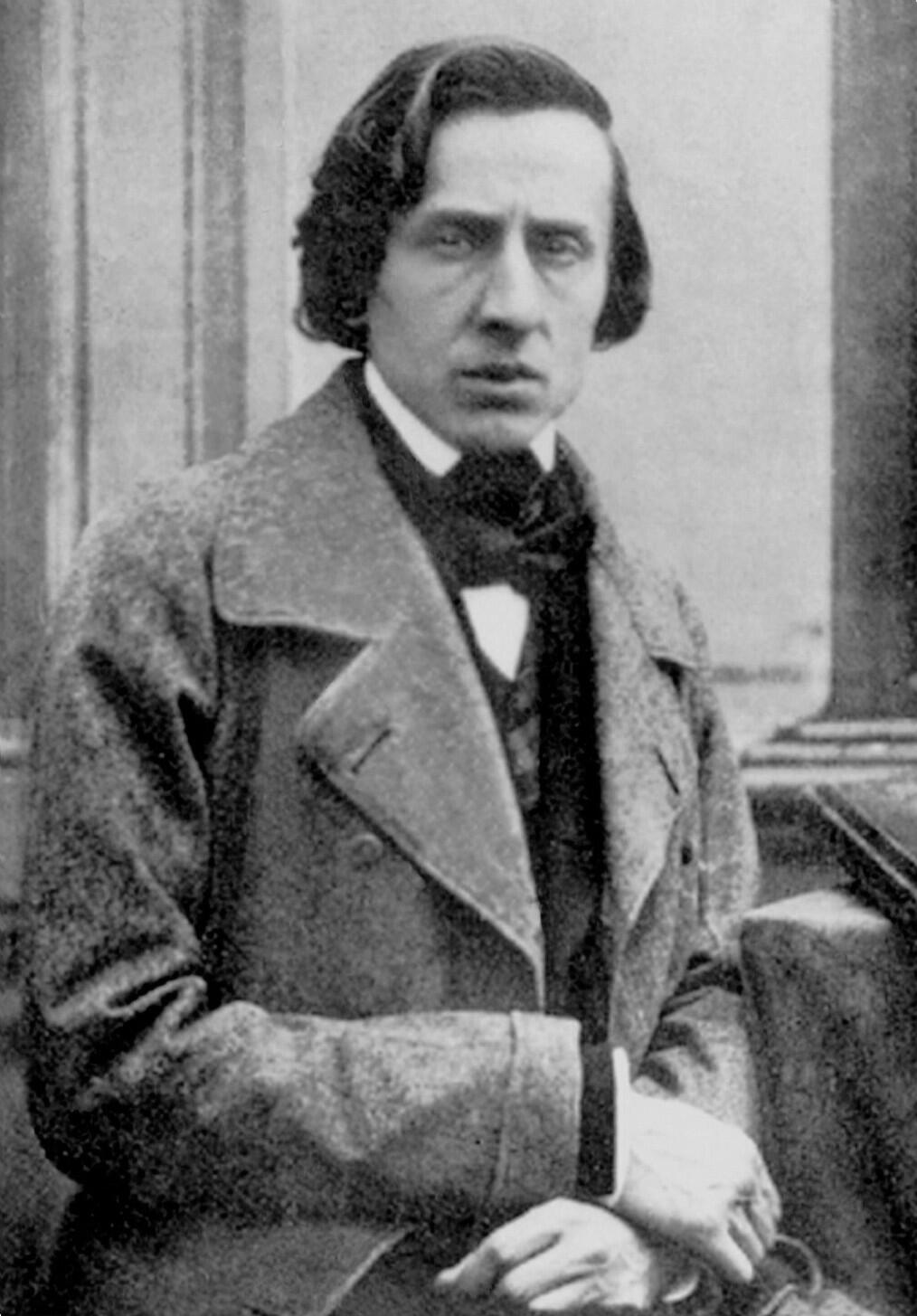
Born in Poland, Chopin was an exceptional pianist and composer who spent most of his musical career in Paris. He is undeniably one of the most famous Romantic pianists of all time.
Chopin elevated the piano as a solo instrument, and all of his compositions feature the piano.
While most are for solo piano, he also wrote compositions for piano concertos, some chamber music, and songs with piano accompaniment.
It is one of the world's most prestigious piano competitions devoted to a single composer and has generally been held every five years since its post-war revival in 1949. in Warsaw, Poland. Famous winners include Martha Argerich (1965), Krystian Zimerman (1975), and Seong-Jin Cho (2015).
Chopin also regularly expressed Polish national identity through his music, incorporating Polish dances, particularly mazurkas and polonaises, into his compositions.
🎹 Franz Liszt (1811–1886)
Born in Hungary, Liszt is widely regarded as the pioneer of the modern solo piano recital as we understand it today.
He set the trend of appearing alone on stage, setting the piano sideways (for the audience to see him) and performing the entire programme from memory (without sheet music)
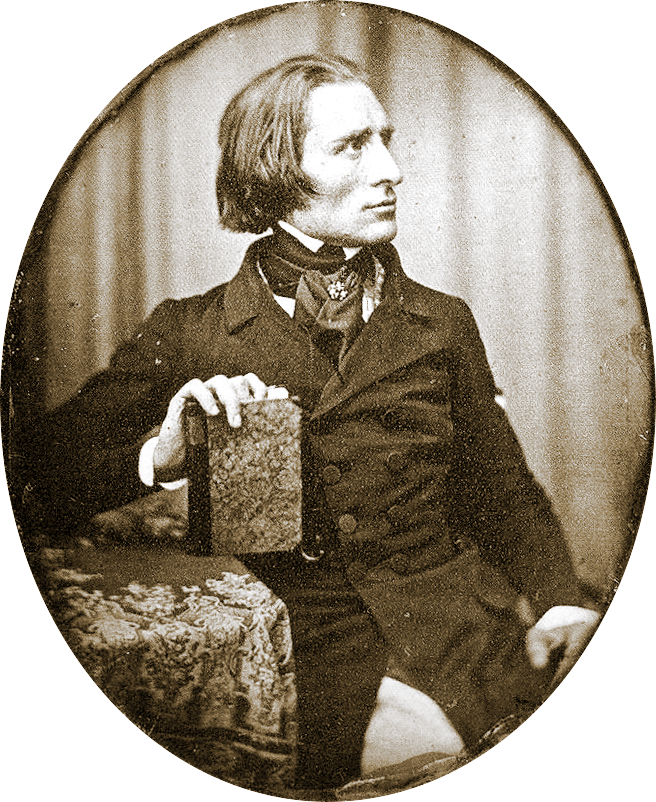
Franz Liszt had a strong stage presence, and his showmanship sparked a phenomenon known as Lisztomania. He drew massive crowds across Europe, and audiences behaved as if they were at a rock concert, with fans eager to get closer to him.
His compositions, such as La Campanella and Hungarian Rhapsody No. 2, are still widely performed in recitals and competitions today, showcasing a blend of technical brilliance and poetic expression characteristic of the Romantic period.
🎹 Clara Wieck-Schumann (1819–1896)
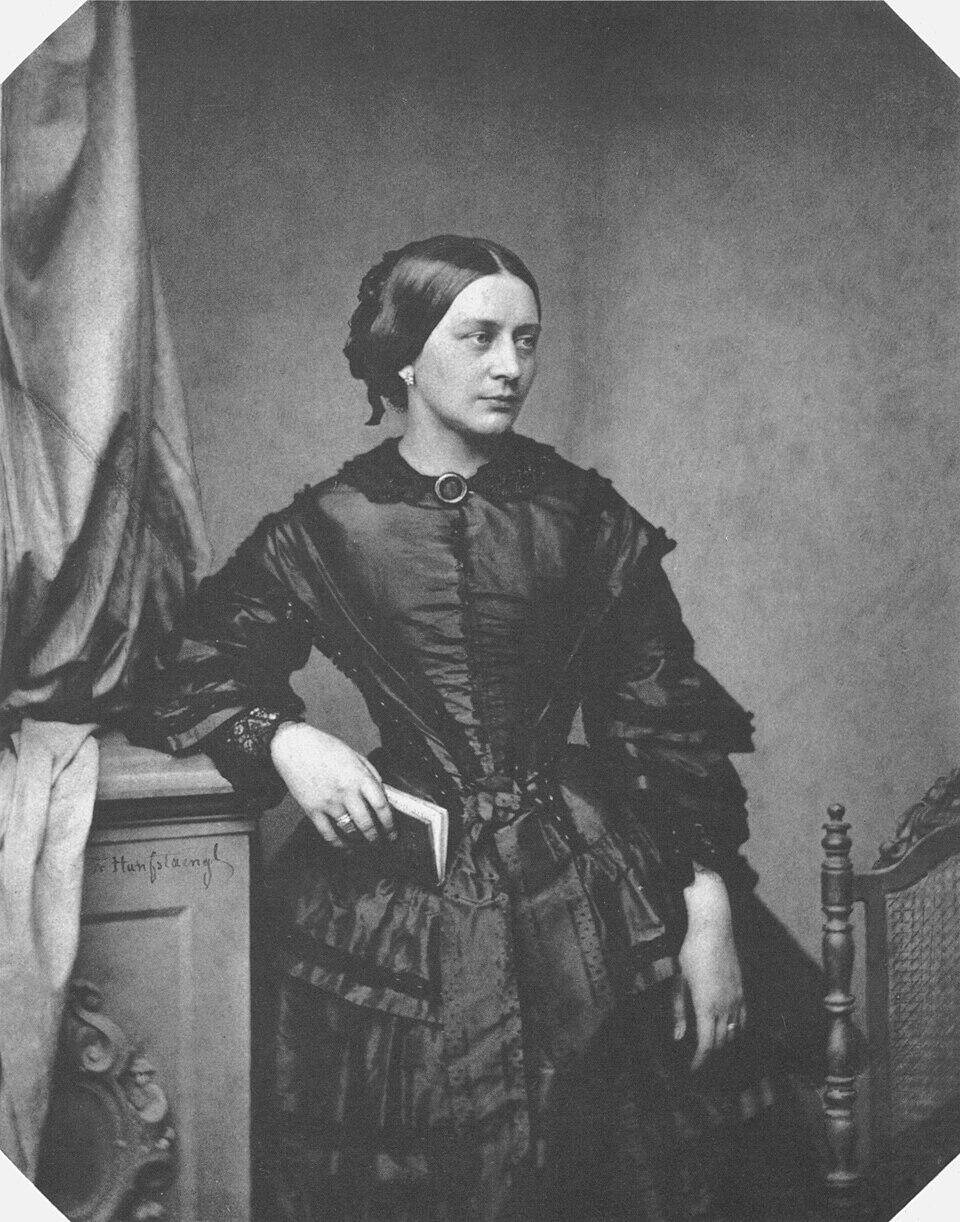
Clara Schumann was already an established pianist-composer before her marriage to Robert Schumann.
Born to a family of pianists, Clara took lessons from her father and was already touring Europe at the age of eleven.
Some of her famous compositions include:
- Scherzo No.2 in C Minor (Op. 14)
- Piano Concerto in A minor (Op. 7)
- Three Romances for Violin and Piano (Op. 22)
Clara was one of the most respected female pianist-composers in a male-dominated world. Even after her marriage, it did not stop her from performing in concerts and teaching. She paved the way for future generations of female musicians.
Meanwhile, don't forget to explore these amazing and successful female pianists.
🎧 20th-Century Icons
The 20th century was a major turning point for the classical music landscape and pianists. While concerts were still significant in terms of performing culture, the rise of recording technology meant that performances could be recorded and replayed by different pianists — offering different interpretations of the same repertoire.
Here are two famous pianists who come to mind when thinking about performers who shaped their own interpretations of some of the best piano pieces of all time.
🎹 Arthur Rubinstein (1887–1982)
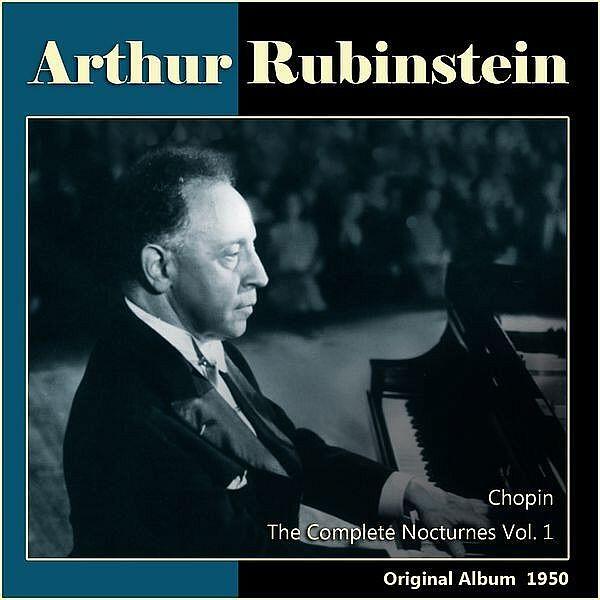
Born in Poland, Rubinstein was a child prodigy who had absolute pitch and photographic memory.
Though he began performing in Europe in the 1900s, he eventually established a successful career in the United States and became an American citizen in 1946. 3
Till this day, he is known for his extensive recording legacy, especially his Chopin renditions.
🎹 Sviatoslav Richter (1915–1997)
Widely considered one of the world's greatest pianists, Soviet-Russian pianist Richter brought a new depth into concert performance and recording.
He had great sight-reading skills and taught himself to play piano pieces while growing up.
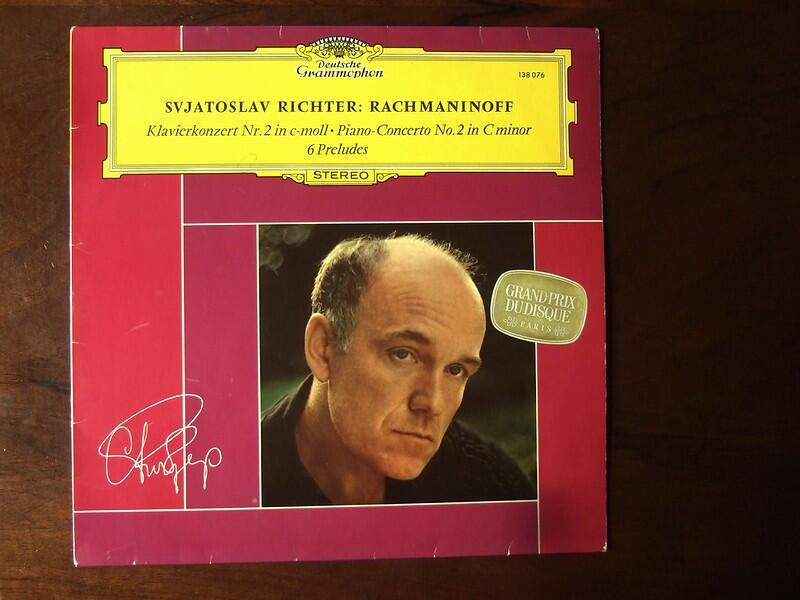
Richter performed a wide range of repertoire, covering the Baroque period to the 20th century, like Johann Sebastian Bach, Ludwig van Beethoven, and Sergei Prokofiev. His concert performances are often multifaceted, balancing the depth of the pieces and intense focus on the music instead of theatrics. 4
Learn more about the greatest Maltese pianists.
🌟 Contemporary Masters
Remember when we talked about the International Chopin Piano Competition earlier? This competition has witnessed the rise of many piano masters, each with different strengths.
🎹 Martha Argerich (1941–)
Born in Argentina, Martha Argerich rose to international fame after winning the competition in 1965. Like many child prodigies, she made her public debut early — at the age of seven as the soloist in Beethoven’s First Piano Concerto. 5
She is known for her fiery intensity at the piano, savouring every moment with her spontaneity and brilliant technique. On one hand, she is also shy and reflective in private. Apart from having a solid career as a soloist, she has also prioritised collaboration with chamber music and younger musicians. Argerich is still actively performing in her 80s.
🎹 Krystian Zimerman (1956–)
Krystian Zimerman is another key figure who rose to stardom after winning the 1975 International Chopin Competition. Born in Poland, Zimerman's strength lies in his balance of precision and control.
Due to his experience as a piano builder and keyboard technician early in his career, he understands how to bring out the sound and phrasing of every key, creating a harmonious and beautiful listening experience.
These performances are as near definitive as I ever expect to hear. Krystian Zimerman … just gets better with the years.
BBC Magazine, review of Krystian Zimerman’s complete Beethoven piano concertos with the London Symphony Orchestra and Sir Simon Rattle
Beyond Chopin, Zimerman is also known for recording other solo and chamber works featuring composers like Bartók, Brahms, and Schubert. A perfectionist who is dedicated to his craft, he records sparingly and performs selectively, and is said to bring his own piano whenever he has a concert tour. 6
🎷 Pioneers in Jazz Piano
Our list would not be complete without mentioning pianists who have popularised jazz piano.
🎹 Art Tatum (1909–1956)
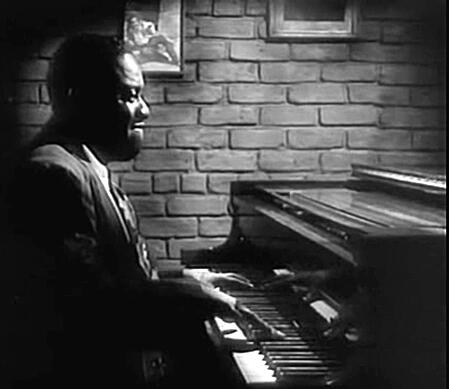
Visually impaired from a young age, Art Tatum was largely self-taught and began performing at 18.
What set him apart was his extraordinary dexterity, executing rapid piano runs, improvisations, and complex jazz harmonisations with remarkable ease.
He was a regular at many jazz clubs and served as an accompanist for prominent stars of his time, such as Adelaide Hall. 7 Additionally, Tatum recorded prolifically from the 1930s to the 1950s, leaving behind an extensive discography that modern jazz pianists and fans continue to enjoy today.
🎹 Herbie Hancock (1940–)
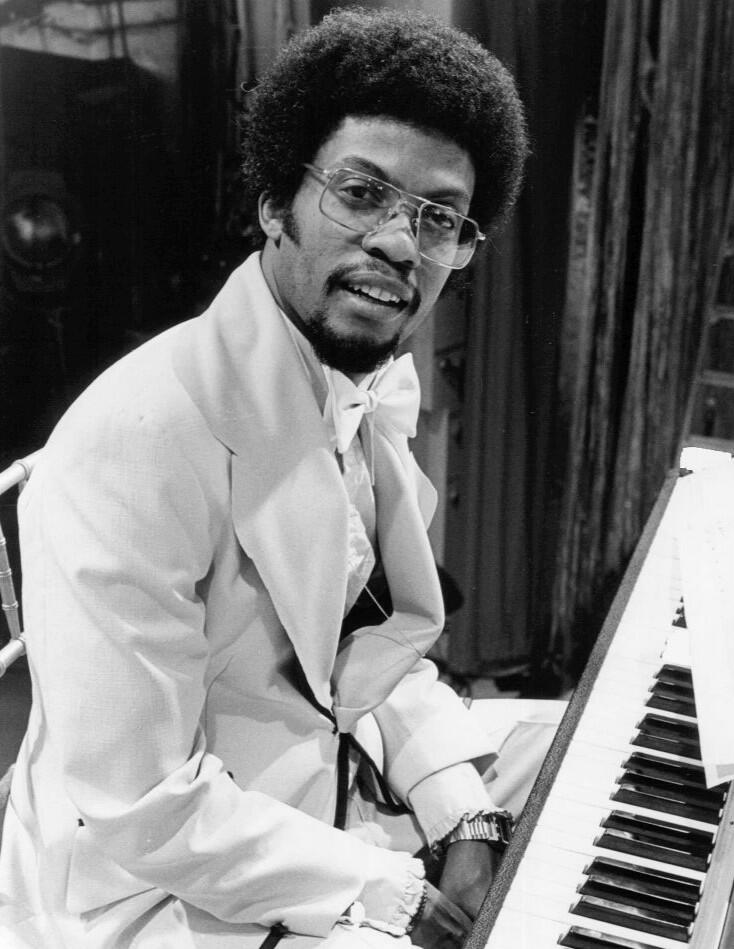
Born in Chicago, Illinois, Herbie Hancock is one of the most influential jazz pianists of all time, reinventing the genre by blending jazz with funk, electronic, and pop influences.
Hancock was not afraid to innovate and adapt— he fused acoustic piano with synthesizers to broaden jazz's appeal through his albums and even composed film soundtracks.
One of his most famous hits is the electro-funk track Rockit, which won a Grammy for Best R&B Instrumental Performance.
🚀Rising Stars of the 21st Century
As we reach the final part of the article, it is clear that pianists from every era have distinct focuses and specialisations.
Classical/Romantic Era
Focus: Composition and written repertoire
20th century (classical piano)
Focus: Interpretation and recording
20th century (jazz piano)
Focus: Improvisation and innovation
21st century
Focus: Connection and global reach through new media
One of the key features of 21st-century piano culture is its growing prominence in Asian countries, with many Asian talents emerging through international piano competitions. Let’s look at two examples of famous 21st-century pianists who reflect a shift in what it means to be a pianist today.
🎹Lang Lang (1982–)
Born in Shenyang, China, Lang Lang learned to play the piano at three and began performing around five. He won his first major piano competition, the International Tchaikovsky Competition for Young Musicians, at 13. At 17, he became an overnight sensation by substituting for André Watts alongside the Chicago Symphony Orchestra, and the rest is history.
Known for his friendly and lively stage presence, Lang Lang is also known for his passion for collaborating with international artists to attract new audiences to classical music. He has performed in many prestigious events, including the 2008 Beijing Summer Olympics and King Charles's coronation concert at Windsor Castle in 2023.
🎹 Yuja Wang (1987–)
Finally, we have Yuja Wang, who also brings a new perspective and energy to her interpretation of classical music. She became a worldwide sensation after replacing Martha Argerich as soloist with the Boston Symphony Orchestra in 2007.
Her combination of technical ease, colouristic range and sheer power has always been remarkable … but these days there is an ever-greater depth to her musicianship, drawing you into the world of each composer with compelling immediacy.
The Financial Times
Since then, she has performed across continents and received many awards for her album recordings, especially for her renditions of Rachmaninoff, Prokofiev, and Chopin.
We hope you've enjoyed this article and learnt more about some of the famous pianists of all time.
References
- Markel, H. (2019, December 17). What Caused Beethoven’s deafness? PBS NewsHour. https://www.pbs.org/newshour/health/what-caused-beethovens-deafness
- Arwen. (2024, September 22). Keys Full Of Passion: The Piano’s Role In The Romantic Period - The London Piano Institute. The London Piano Institute. https://www.londonpianoinstitute.co.uk/the-romantic-period/
- Arthur Rubinstein - Steinway & Sons. (n.d.). Www.steinway.com. https://www.steinway.com/artists/arthur-rubinstein
- Eliza. (2022, March 19). Happy birthday to great pianist Sviatoslav Richter! Interlude.hk. https://interlude.hk/on-this-day-20-march-sviatoslav-richter-was-born/
- ”La Martha“. (2023). Berliner-Philharmoniker.de; Berliner Philharmoniker. https://www.berliner-philharmoniker.de/en/stories/martha-argerich-portrait/
- Yeung, A. (2024, June 4). Review: Krystian Zimerman in Wuppertal. Interlude.hk. https://interlude.hk/krystian-zimerman-in-wuppertal/
- Art Tatum | Kennedy Center. (n.d.). The Kennedy Center. https://www.kennedy-center.org/artists/t/ta-tn/art-tatum/
Summarise with AI:
Did you like this article? Leave a rating!

 Loading...