
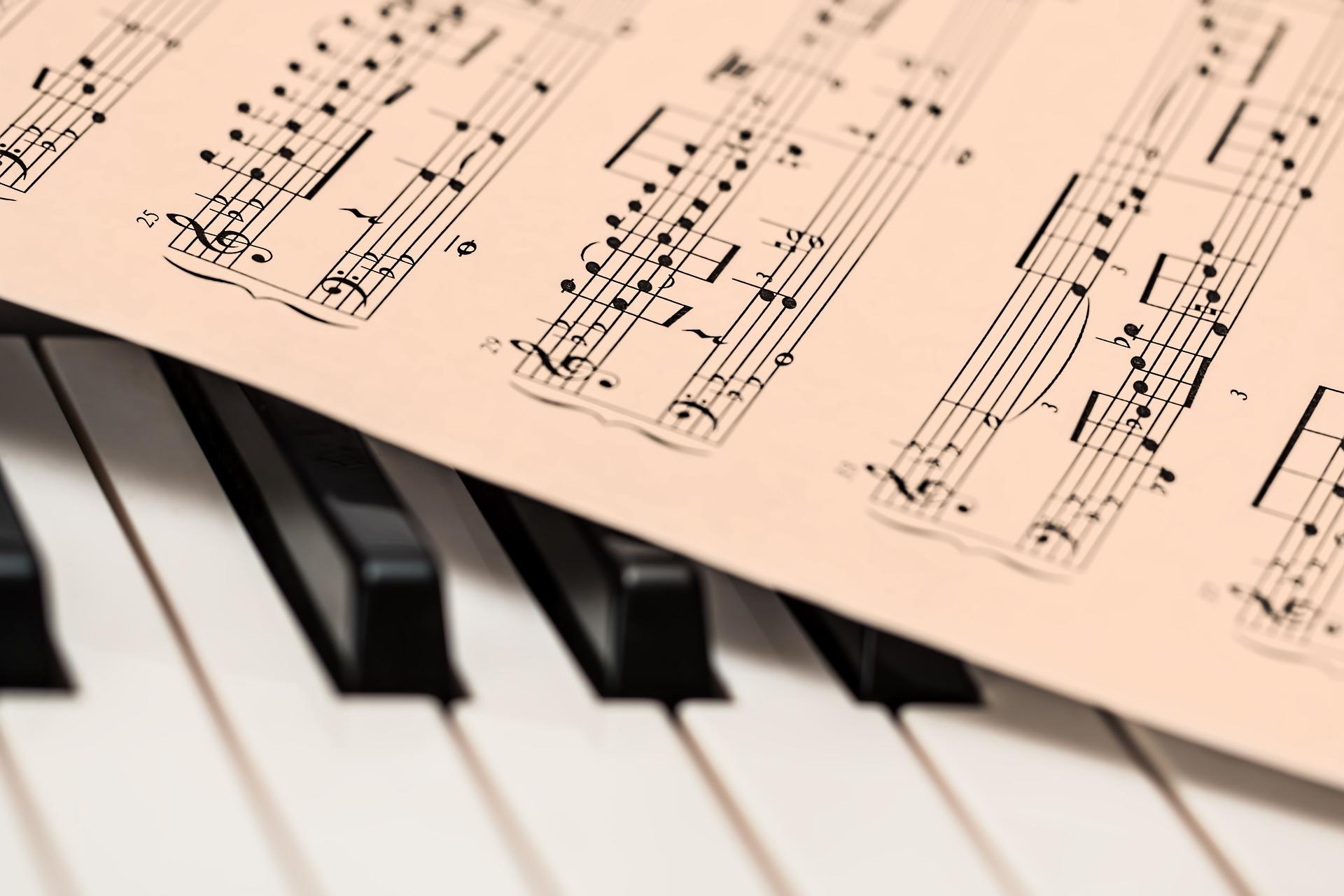
Famous Pianists Who Shaped Music: From Mozart to Wang
Discover the Greatest Pianists of All Time, From Mozart to Wang Ask anyone who has learnt the piano about their favourite pianist, and you will probably get a myriad of answers. Some may mention a pianist-composer from a specific classical music period, while others may refer to a renowned concert pianist currently on an international[…]
27 August 2026∙9 minutes to read
Learning Piano Through Notes, Rhythm and Expression
Our piano articles are here to help learners understand the instrument, improve their practice routine and explore different ways of playing. Whether you are learning your first notes, working on hand coordination, reading music, practising chords or discovering classical, jazz, pop or film music, this category brings together practical advice to support your progress.
Piano can be rewarding for beginners and more experienced players alike, but steady progress usually comes from regular practice and clear guidance. If you want more personal support, you can compare piano tutors in Malta, or choose online piano lessons when learning from home suits your routine better.
Piano learning starts with listening and coordination
The piano is one of the most useful instruments for understanding music because it makes melody, harmony and rhythm visible on the keyboard. Learners can see how notes are arranged, how chords are built and how both hands work together to create a fuller sound.
Beginners often start with simple melodies, basic rhythms and short pieces that help them become familiar with the keyboard. The first steps can feel exciting, but piano still requires patience. Reading notes, keeping time and coordinating both hands all take regular practice. If a learner wants help building these foundations clearly, piano tutors in Sliema can support the early stages of learning.
What do piano learners usually study?
Piano lessons can be adapted to the learner’s age, level and musical interests. Some students want to read music confidently, while others prefer chords, improvisation, pop songs, classical pieces or support with music school work.
Piano study may include:
- keyboard layout, note names and basic music reading
- right-hand and left-hand coordination
- rhythm, timing and steady pulse
- chords, scales, arpeggios and simple harmony
- classical, pop, jazz, film music or favourite songs
- technique, expression, dynamics and performance confidence
A good approach connects technique with music the learner enjoys. For students who need more structure around reading notes, practising chords or learning complete pieces, piano lessons in Birkirkara can make progress easier to organise.
Acoustic piano, digital piano or keyboard?
Learners do not always need a grand piano to begin. An acoustic piano gives a rich sound and natural touch, while a digital piano can be practical for home practice, headphones and smaller spaces. A basic keyboard can help at the very beginning, although weighted keys are usually better once a learner wants to develop technique more seriously.
The right choice depends on space, budget, goals and how regularly the learner can practise. What matters most is having access to an instrument between lessons, because piano skills develop through repetition. If a student is unsure what type of instrument or practice setup makes sense, piano tuition in Mosta can help match the first exercises to the learner’s situation.
Why piano can feel challenging at first
Piano looks straightforward because the notes are laid out in order, but playing well involves several skills at once. Learners need to read or remember notes, keep rhythm, use both hands independently, listen to the sound and stay relaxed while playing.
This is why rushing can make practice frustrating. A short passage played slowly and accurately is often more useful than playing a whole piece with repeated mistakes. For learners who need help slowing things down, correcting hand position or understanding rhythm, piano tutors in St. Paul’s Bay can help build better habits from the beginning.
How to keep improving at the piano
Piano progress depends on regular, focused practice. Short sessions can be very effective when they have a clear purpose: one section for rhythm, one for the left hand, one for chord changes or one for musical expression.
Learners can also improve by listening carefully to the sound they produce. Are the notes even? Is the rhythm steady? Does the melody stand out? Is there tension in the hands or shoulders? Once the goal is clear, whether it is reading music, learning favourite songs, improving technique or preparing for a performance, piano lessons in Qormi can help learners focus on the next useful step.
Virtual Piano: Play Piano Online for Free
Online Piano Keyboard: Practice Chords, Scales & Melodies for Free Our virtual piano lets you play piano directly in your browser — no installation, no sign-up, and compatible with any device. You can click the piano keys with your mouse or finger, or use your computer keyboard. The online piano responds instantly, supports multi-key input,[…]
1 August 2026∙5 minutes to read