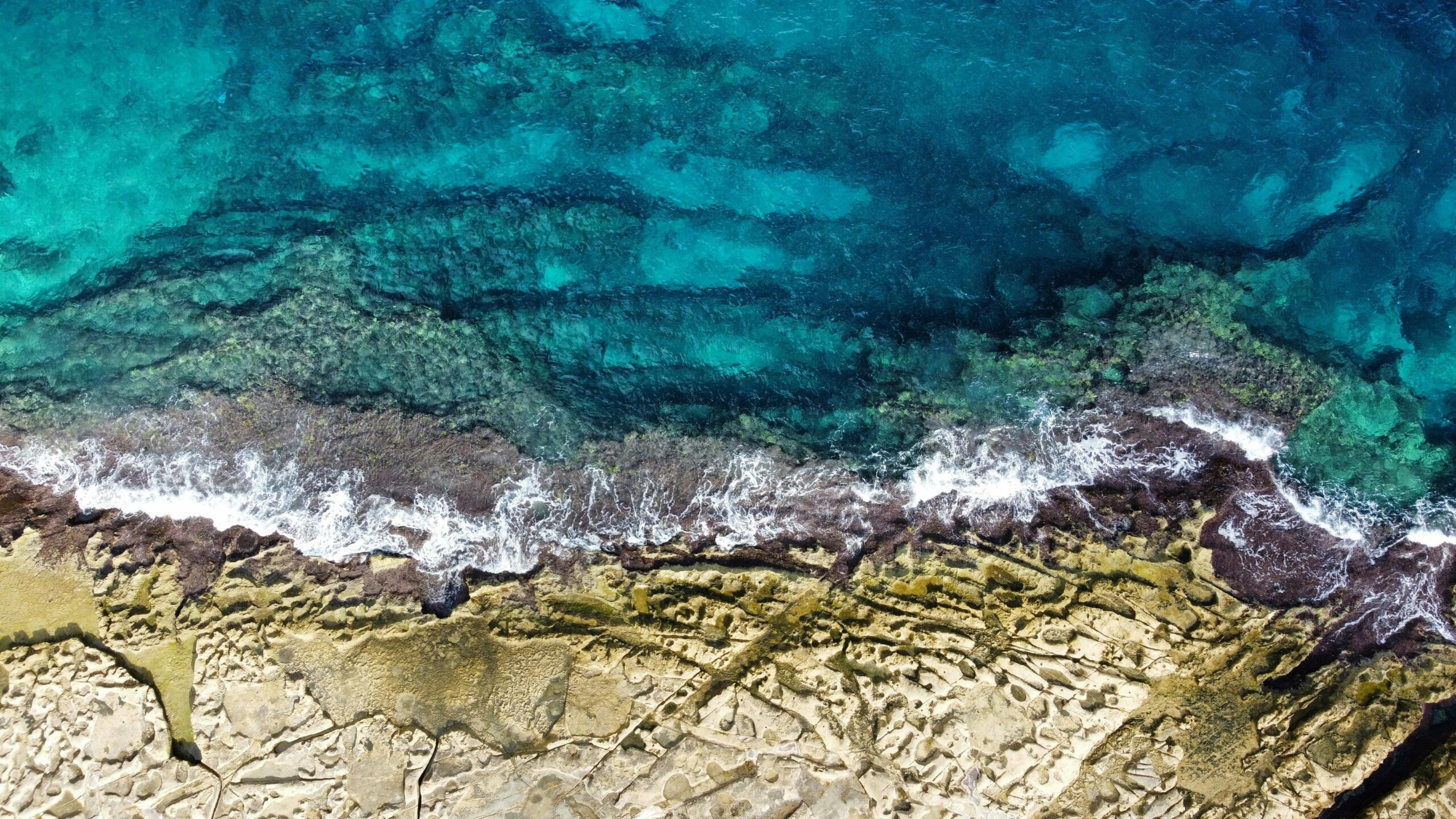

Malta is one of the best places in Europe to swim in the sea. The island sits at the heart of the Mediterranean, surrounded by some of the clearest water on the continent. For many people living here, a morning dip before work or a long swim along the coast on a weekend afternoon is simply part of life. For visitors, the sea is often the first thing they want to get into.
Whether you are a complete beginner curious about your first sea swim, a regular pool swimmer thinking about making the move outdoors, or someone looking for a new way to stay fit and connected to Malta's coastline, this guide is for you.
Here we cover what makes Malta such a good place for open water swimming, what to expect when you first get in, how sea swimming differs from the pool, what you need to stay safe, and how lessons or coaching can help you build confidence and technique.
Malta’s average annual sea temperature is approximately 20°C.June: 21–23°C
July–August: 24–28°C (peak warmth)
September–October: 22–25°C (still excellent)
November: 20–22°C (enthusiasts only)
December–May: 14–20°C (wetsuits recommended)





Why Malta Is So Good for Open Water Swimming
Very few places combine the conditions that make open water swimming genuinely enjoyable all in one small island. Malta has warm, clear water, a long coastline, and an extended swimming season that runs from early summer well into autumn. That clarity is part of what makes swimming in the sea here feel so different from a pool.
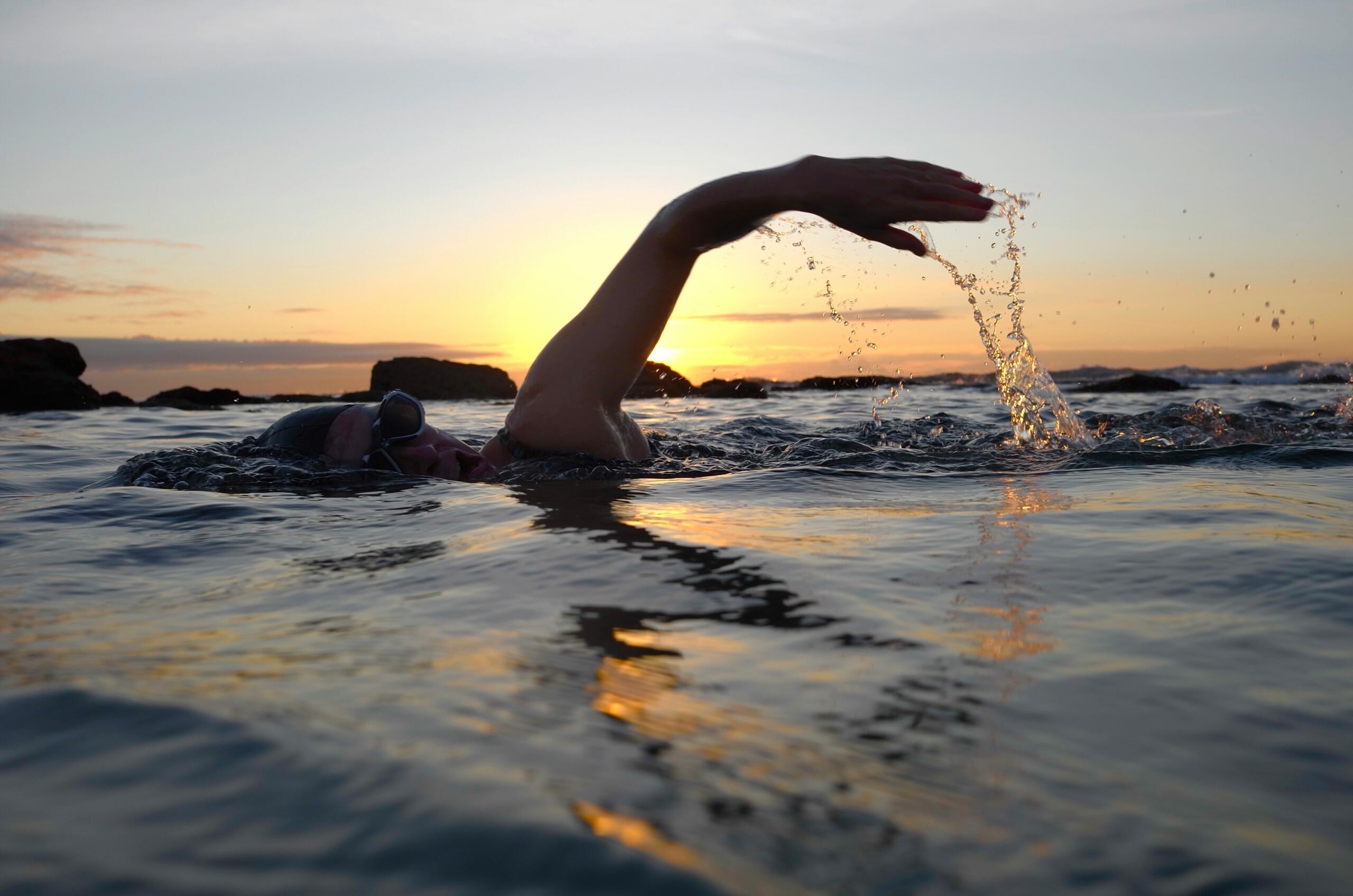
The Maltese archipelago consists of three main inhabited islands: Malta, Gozo, and Comino. Each offers different swimming experiences, from the sheltered sandy bays and rocky coves of the main island to the dramatic cliffs and quieter waters of Gozo. Comino sits between the two larger islands and is known for its clear turquoise water.
Malta's coastline is predominantly rocky, with limestone cliffs, natural platforms, and ladder access points that make getting in and out of the water straightforward at many locations. Sandy beaches exist too, but it is the rocky entries and sheltered natural pools that regular sea swimmers tend to gravitate toward.
Malta's underwater visibility regularly exceeds 30 metres in many locations, making it a popular destination for open water swimmers and divers alike.
How Sea Swimming Differs from Pool Swimming
If you are used to swimming in a pool, the sea will feel immediately different. The water moves. There are no lane ropes, no marked distances, and no wall to push off from. The temperature changes as you go deeper, and the environment around you is constantly shifting. For most swimmers, this is what makes open water swimming so appealing, but it does require a different approach.
🏊 Pool
- Still, controlled water
- Consistent depth
- Marked lanes and distances
- Fresh water — less natural float
- Fixed temperature
- Walls to push off from
🌊 Sea
- Waves, swell, and current
- Depth varies
- Navigate by landmarks
- Salt water — more natural float
- Changes with depth and season
- Open-ended — no reference points
In a pool, conditions are controlled. The water is still, the depth is consistent, and you always know exactly where you are. In the sea, you navigate by landmarks, deal with waves and currents, and need to lift your head regularly to check your direction. This technique, known as sighting, is one of the first things open water swimmers learn and makes a real difference to how efficiently you move through the water.
How the water supports you also feels different in the sea. Salt water is denser than fresh water, which means you float more naturally. Many swimmers find this reassuring at first, though the movement of the water can take some getting used to. Starting in a calm, sheltered bay rather than open water gives you the chance to get comfortable before tackling more challenging conditions. If you want structured guidance on making that transition, working with a coach or starting open water swimming in Malta is a practical way to build confidence from the start.
Where People Swim in Malta
Malta's coastline offers a wide variety of entry points, from sandy beaches with gentle slopes to rocky limestone platforms with fixed metal ladders leading straight into clear water. Both have their merits, and regular swimmers in Malta tend to have firm opinions about which they prefer.
Sandy beaches such as Mellieħa Bay, Golden Bay, and Ramla Bay in Gozo are well suited to beginners and families. The water is shallow near the shore, the entry is gradual, and most of these locations have lifeguards on duty during the summer months. They can get busy in July and August, but the quieter months on either side of peak summer often offer ideal conditions with fewer people.
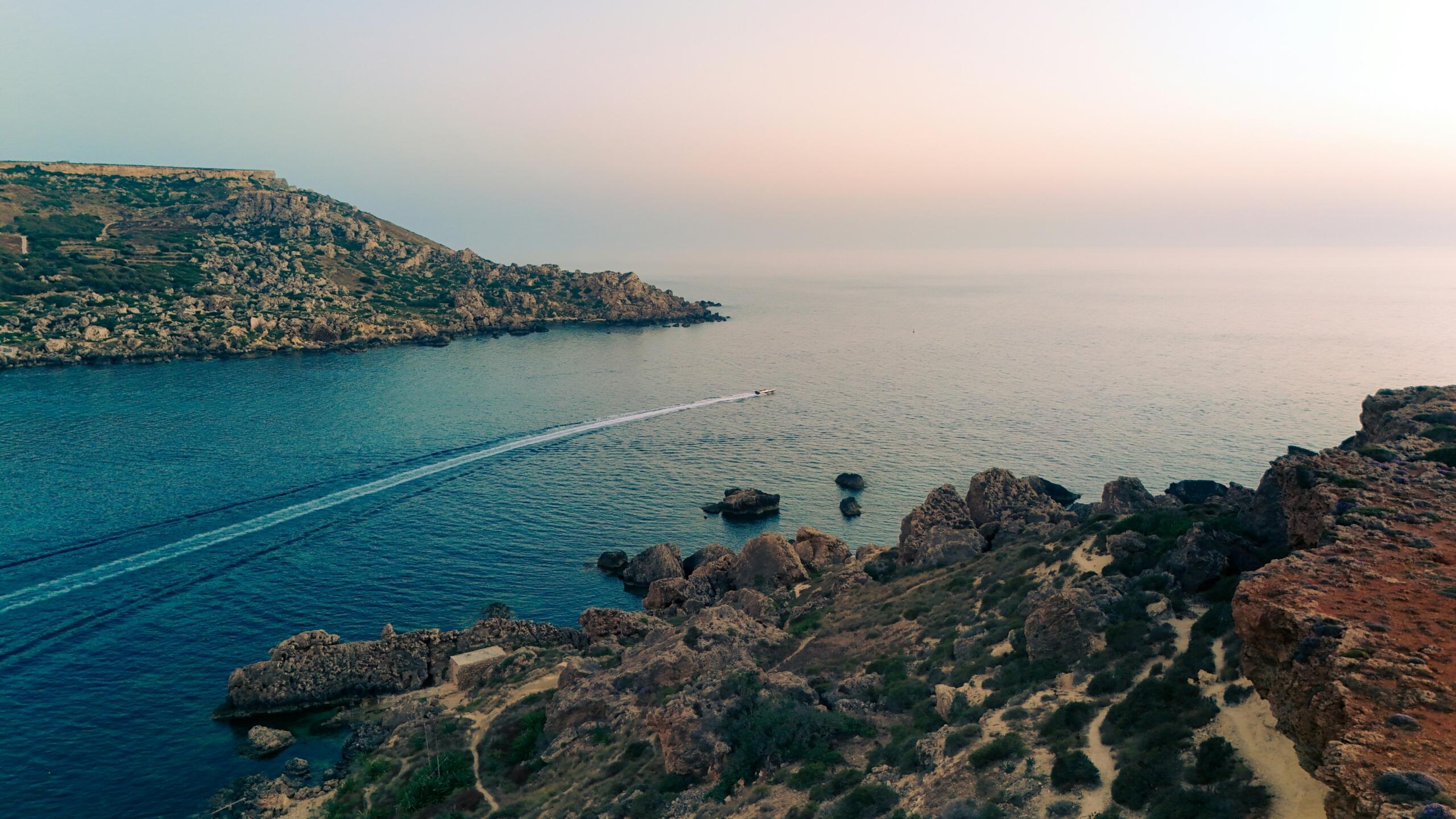
Rocky entries are where Malta's swimming culture is most distinctly itself. Fixed metal ladders bolted into limestone cliffs are common around the islands, and local swimmers use them year-round. Alongside natural platforms and sheltered coves, some privately managed lidos provide changing facilities, showers and maintained access points that make getting in and out of the water straightforward. The absence of sand at many of these spots keeps the water exceptionally clear, since there is nothing to disturb or cloud it.
Gozo tends to be quieter than the main island, with spots such as Xlendi Bay, Hondoq ir-Rummien, and Mgarr ix-Xini offering calmer, less crowded swimming in sheltered surroundings. For a detailed look at specific locations across both islands, take a look at our guide to swimming spots in Malta and Gozo.
Use water-resistant sun protection, stay hydrated and avoid unexpectedly long swims during the hottest part of the day. Remember that exposure continues while you are in the water, particularly around the shoulders and upper back.
Staying Safe in the Sea
Open water swimming in Malta is a rewarding activity, but the sea deserves respect. Conditions can change quickly, even on a day that starts calm, and being prepared makes a real difference. The following points are worth knowing before you get in.
Check conditions before you swim. Wind direction has a significant effect on sea conditions in Malta. The Majjistral, a north-westerly wind, is the most common and can create strong waves on the north and north-west coasts. The Grigal, a north-easterly wind, is less frequent but often more powerful, affecting the eastern coastline around Sliema and St Julian's. Checking the forecast and choosing a sheltered bay on the right side of the island is a simple habit that makes a big difference.
Follow the flag system. Malta's managed beaches use a colour-coded flag system to communicate conditions. A green flag means calm conditions and safe swimming. Yellow signals caution. Red means do not enter the water. A purple flag indicates the presence of jellyfish or other marine pests. Always check the flags when you arrive and follow the guidance of any lifeguard on duty.
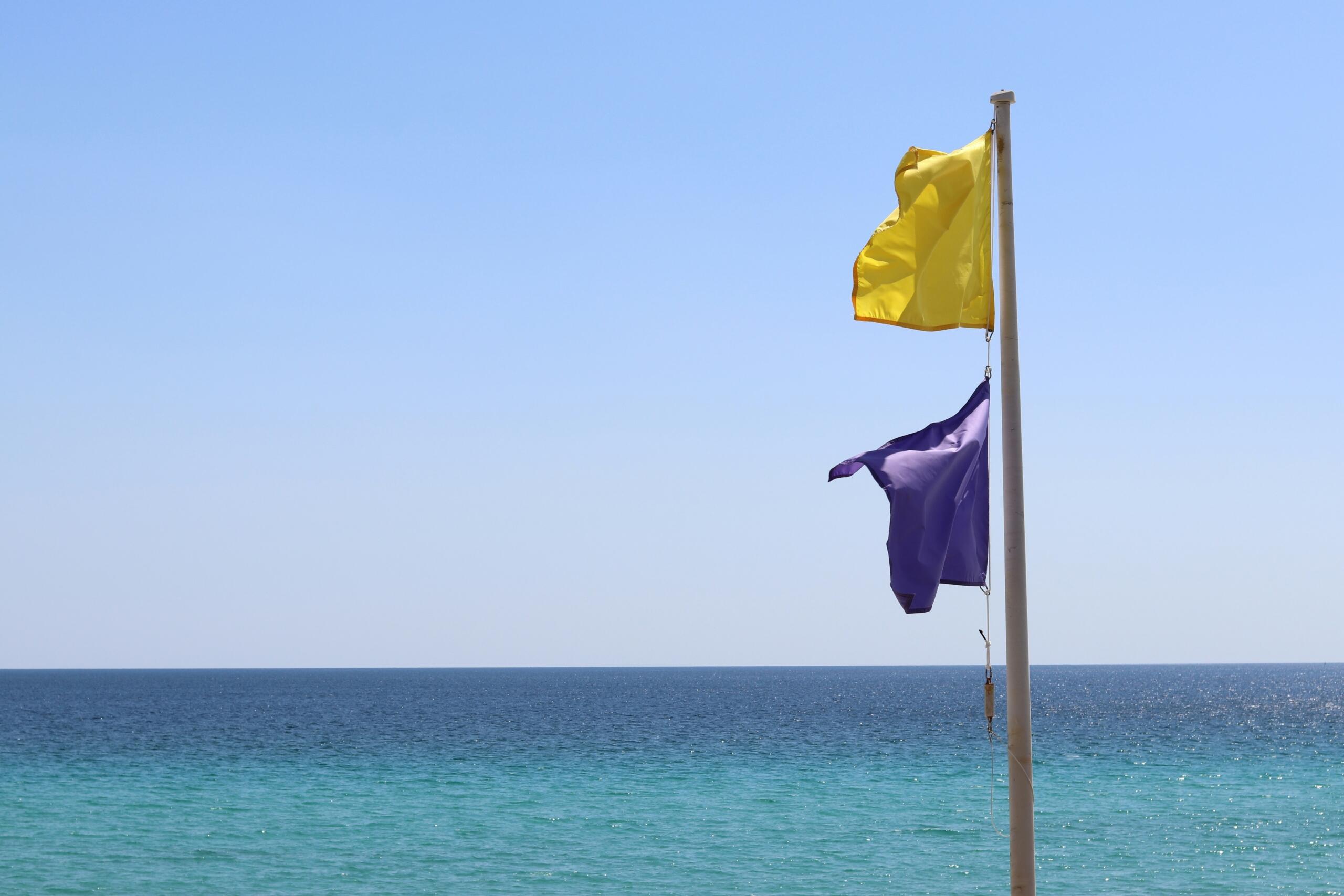
Be aware of jellyfish. The most common stinging jellyfish in Malta is the Mauve Stinger. Its presence peaks in spring and early summer but it can appear at any time of year. If you see a purple flag, take it seriously. Most stings are unpleasant rather than dangerous, but it is sensible to exit the water and rinse the affected area with seawater rather than fresh water. Seek urgent medical help if the person experiences severe pain, breathing difficulties, dizziness or another widespread reaction.
Stay visible and swim with others. At rocky or unmanaged locations, there are no lifeguards. Swim with a companion where possible, and consider wearing a brightly coloured swim cap or using a tow float to make yourself visible to any boats in the area. The channels between Malta, Gozo, and Comino carry regular ferry traffic, so visibility matters.
Know your limits. The sea can be deceptive. Start with short swims in calm, sheltered water and build up gradually.
🟢 Green: calm conditions
🟡 Yellow: medium hazard
🔴 Red: high hazard, do not enter the water
🟣 Purple: jellyfish or other marine pests present
🔴🟡 Red over yellow: lifeguard on duty
Swimming Lessons and Coaching in Malta
Whether you are new to swimming entirely or an experienced pool swimmer looking to build confidence in the sea, working with a qualified coach can make a real difference. Malta has a good range of swimming instructors and swim schools offering lessons for all ages and abilities. When choosing an instructor, check their recognised coaching qualifications, relevant experience and first-aid training.
For complete beginners, structured lessons help you develop water confidence, breathing technique, and basic strokes in a safe, controlled environment before attempting open water. For those already comfortable in a pool, a coach can help you work on sighting, pacing, and the adjustments needed to swim efficiently in the sea. Private lessons offer the most focused feedback, while group sessions provide motivation and the chance to swim alongside others at a similar level.
If your eventual goal is a supported long-distance or channel swim, specialist coaching, gradual endurance training and appropriate safety arrangements are essential. Such crossings should not be attempted independently. Training in both pool and open water conditions builds the endurance and technique needed for more demanding swims.
Making the Most of Malta's Coastline
Open water swimming in Malta is one of the most accessible and rewarding ways to connect with the islands. The combination of warm, clear water, a long season, and a coastline that rewards exploration makes it an activity worth pursuing at any level. Whether you are taking your first swim in a sheltered bay or building toward a longer challenge, the sea here offers something genuinely different from anything a pool can provide.
Malta's open water swimming scene has also produced some remarkable athletes. For an insight into what is possible in these waters, the story of Neil Agius and Malta's swimming legacy is well worth reading.
Summarise with AI:
Did you like this article? Leave a rating!

 Loading...