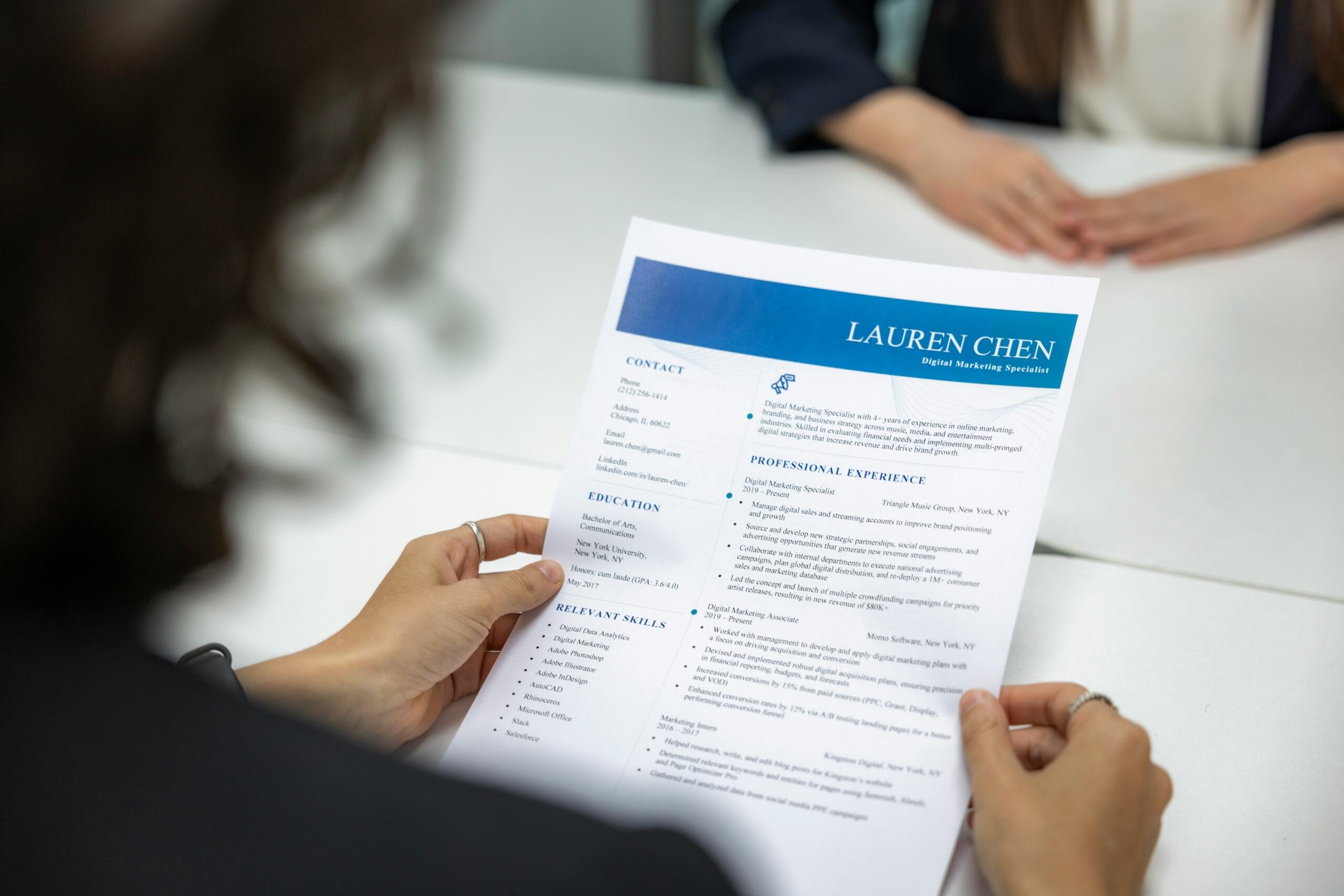

Becoming a private tutor can do more than help you earn extra income. It can also give you practical experience that strengthens your CV, especially if you are studying, applying for early-career roles, changing direction or hoping to work in education, coaching, training or mentoring.
Tutoring on your CV shows employers that you can explain ideas clearly, adapt to different people, organise your time and take responsibility for someone else’s progress. These are useful skills in many workplaces, not only in teaching.
Whether you support SEC or MATSEC students, create tailored tutoring programmes, help younger learners with English or maths, teach Maltese, Italian or French, offer music lessons, explain coding or help someone build study skills, tutoring can become meaningful professional experience.
In this article, we’ll look at
- 🎓 Why tutoring experience can be more valuable on a CV than it first appears
- 💼 Which transferable tutoring skills employers notice
- 📈 How tutoring can support your career development
- 🇲🇹 How students and graduates in Malta can tutor alongside their studies
- 📝 How to describe private tutoring professionally on your CV
Want to give private lessons?
Join the Superprof community and share your knowledge with interested and motivated students.
Why Tutoring Experience Belongs on Your CV
Tutoring is valuable because it gives you real experience working with people. You are not only sharing knowledge. You are assessing what a learner needs, choosing the right explanation, adapting when something does not work and helping someone build confidence over time.
This is why tutoring experience can strengthen your CV. A private tutor often has to plan sessions, communicate with students or parents, manage expectations and keep lessons focused. Those responsibilities can show maturity and reliability, especially for students or early-career professionals.
Tutoring can also help you demonstrate teaching experience, even if you have never worked in a school. You might support a learner preparing for SEC exams, help a student revise for MATSEC, teach English language skills, or guide a beginner through piano, coding, drawing or sport. Each situation gives you practical examples of communication, patience and problem-solving.
For University of Malta students, tutoring younger learners can connect academic knowledge with real-world communication. For MCAST students or graduates, tutoring practical or technical subjects can show that you know how to break skills down and explain them clearly. For career changers, tutoring can provide evidence that you can lead, organise and support others while doing something you love.
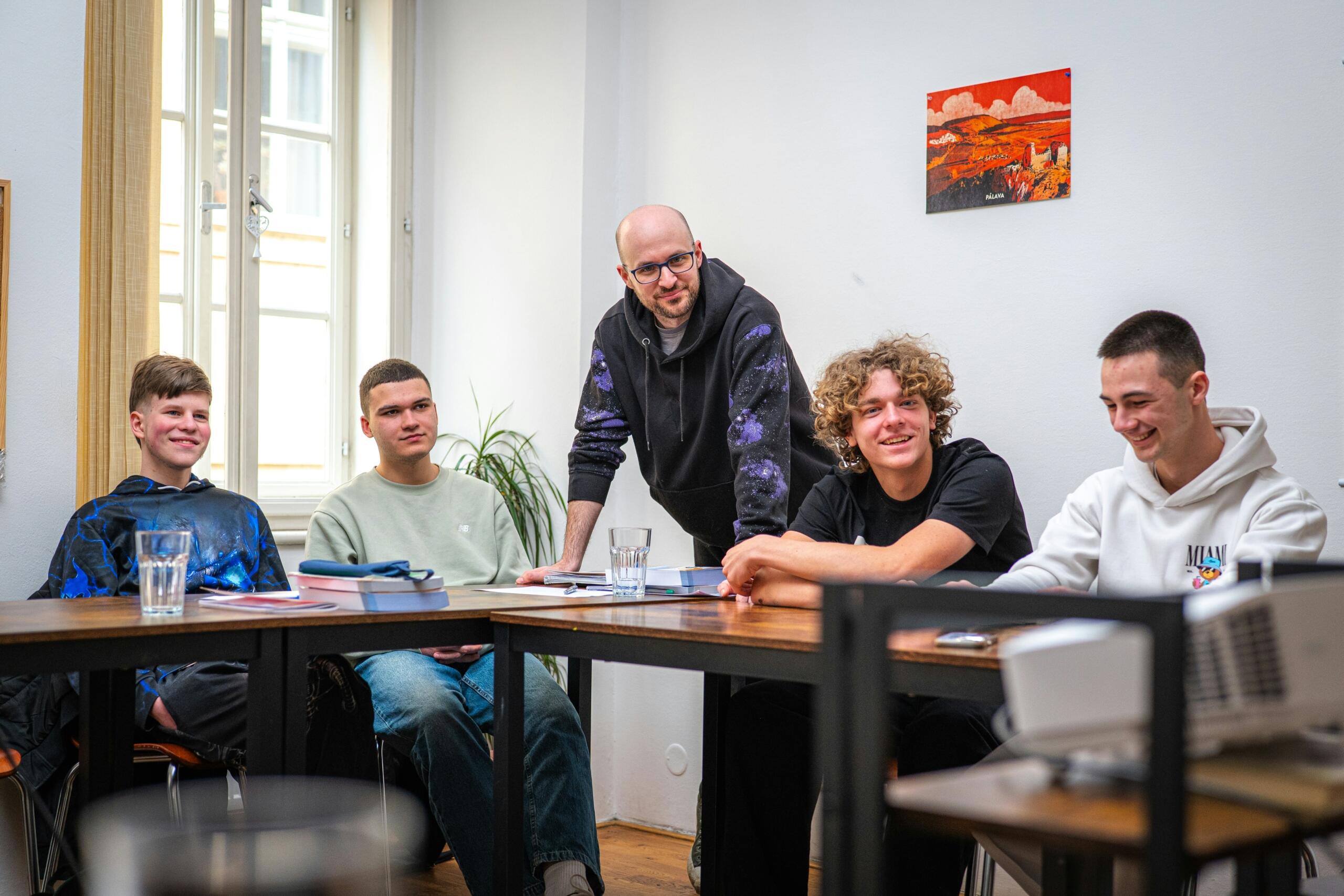
Tutoring Gives You Practical Experience with Real Learners
The best reason to include tutoring on your CV is that it gives you examples you can explain in an interview. Instead of simply saying that you are organised or patient, you can describe a real learner, a real challenge and the steps you took to help.
A student may need help understanding algebra, improving essay structure, speaking English more confidently, learning music theory or preparing for a practical assessment. Your role is to make that learning process clearer and more manageable.
This kind of experience can support applications for teaching, mentoring, coaching, youth work, training, HR, customer support, management or self-employment. It is especially useful in roles where you need to explain information clearly to people with different levels of confidence or knowledge.
Tutoring is not only about the subject you teach. It is about guiding someone through a learning process, and that is what gives the experience professional value.
Education is the most powerful weapon which you can use to change the world.
Nelson Mandela
Tutor Alongside Your Studies
Tutoring can be a practical part-time activity for students because it can often fit around lectures, placements, exams and coursework. A University of Malta student might tutor younger learners in maths, science, English or another school subject. An MCAST student might teach practical, creative or technical skills linked to their course.
This can be especially useful because students are often close to the learning process themselves. If you recently prepared for SEC or MATSEC exams, you may remember which topics felt difficult, how revision pressure builds and what explanations helped you at the time.
Tutoring while studying also gives you more than income. It helps you build confidence, organise your time and practise explaining ideas clearly. These skills can make your future CV stronger, especially if you can describe them in a professional way.
For example, tutoring can show that you can manage commitments, communicate with families, prepare learning materials and take responsibility for regular sessions. Online tutoring can also help you support learners across Malta and Gozo without adding travel time to your schedule.
If you are still studying, be realistic about your availability. It is better to tutor one or two learners consistently than to take on too much and struggle to prepare properly. Reliability is part of what makes tutoring valuable professional experience.

Want to give private lessons?
Join the Superprof community and share your knowledge with interested and motivated students.
Why Employers Value Tutoring Experience
Employers do not only look at job titles. They look at what you did, how much responsibility you had and which skills you developed. Private tutoring can show that you have worked directly with learners, handled regular commitments and adapted your support to different needs.
The strongest transferable tutoring skills include communication, patience, adaptability, organisation, leadership, problem-solving and reliability. These are not abstract qualities. Tutors use them when they plan lessons, explain difficult ideas, respond to confusion and help learners stay motivated.
| Tutoring skill | How it translates to the workplace |
|---|---|
| Communication | You can explain ideas clearly to different audiences |
| Patience | You can support people without becoming frustrated |
| Adaptability | You can change your approach when something is not working |
| Organisation | You can plan sessions, manage time and prepare materials |
| Problem-solving | You can identify obstacles and find practical solutions |
| Reliability | You can commit to regular work and meet expectations |
| Leadership | You can guide someone towards a goal with confidence |
| Confidence | You can take responsibility in one-to-one situations |
What makes tutoring convincing on a CV is the combination of subject knowledge and responsibility. If a student or parent relies on you each week, you need to be prepared, consistent and clear about what the learner should work on next. And by doing so, you are able to earn money for tutoring.
When applying for teaching roles, tutoring can be especially useful because it shows direct contact with learners. For non-teaching roles, it still matters because it shows that you can guide people through a process and adjust your approach when needed.

How to Describe Tutoring on Your CV
The mistake many tutors make is describing their experience too casually. Instead of writing “Helped students with maths”, use professional language that explains what you actually did.
A strong CV entry should include:
Here are a few examples you can adapt:
- Academic tutoring: Private Tutor, Malta. Provided one-to-one support for SEC-level students, planned weekly lessons, explained difficult topics and adapted exercises to each learner’s needs
- Online tutoring: Online Language Tutor. Delivered remote English conversation lessons, prepared learning materials and helped learners improve fluency and confidence
- Student tutor: Part-Time Maths Tutor. Supported younger learners with homework, revision and exam preparation while managing sessions around university studies
- Practical skills tutoring: Coding Tutor. Taught beginner programming concepts, created step-by-step exercises and helped students build confidence with problem-solving
- Music tutoring: Private Music Tutor. Delivered beginner lessons, structured practice tasks and supported students in developing rhythm, technique and confidence
If you are adding tutoring experience to your CV, keep it specific. Mention the subject, level and skills you used. If you helped a student prepare for an exam, complete a project or gain confidence, include that in a concise and honest way.
How Can Tutoring Help Your Career?
Tutoring can help your career because it gives you practical examples of how you support other people. You are not just listing soft skills on a CV. You can show how you used them in real lessons, with real learners and clear goals.
If you want to become a teacher, tutoring can help you test whether you enjoy working with learners before exploring formal education routes. If you are interested in coaching, mentoring or training, it gives you early experience helping someone move towards a goal.
Tutoring can also support careers outside education. In business, management, customer-facing roles, engineering, technology or finance, it is useful to show that you can make complex information easier to understand. That is where tutoring experience can become part of a wider professional story.
For people changing careers, tutoring can help bridge a gap. It shows that you have stayed active, taken responsibility and developed transferable tutoring skills that can still be relevant even when the subject itself is different from your next role.
Tutoring and educational support are more than a way to earn money. They can become a form of professional development, especially when you describe the experience clearly on your CV.
Employers often value tutoring because it proves you can work one-to-one with people, manage expectations and stay reliable over time.
Make Tutoring Part of Your Professional Story
Tutoring on your CV works best when you present it as real professional experience. Do not hide it under “extra work” if it involved planning, communication, responsibility and regular support. Describe it clearly and connect it to the role you want next.
For students and graduates, tutoring can show initiative. For career changers, it can show communication and leadership. For aspiring teachers, it can show early teaching experience. For professionals, it can show mentoring ability and subject confidence.
The key is to be specific. Explain who you taught, what you helped with and which skills you developed. That turns private tutoring from a side activity into a credible part of your career story.
📊 Poll: What would you want tutoring to add to your CV?
Want to give private lessons?
Join the Superprof community and share your knowledge with interested and motivated students.
Summarise with AI:
Did you like this article? Leave a rating!

 Loading...