
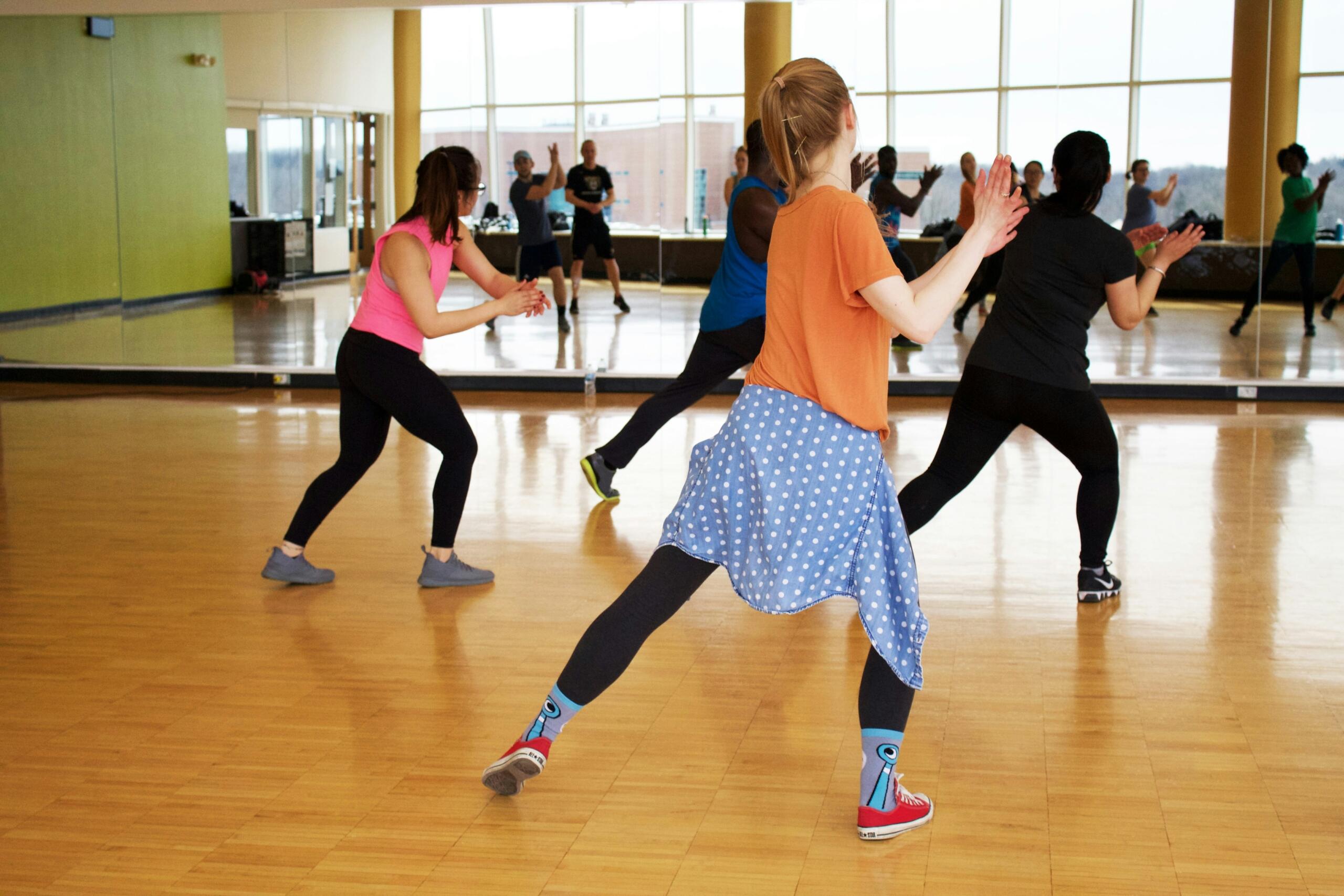
Learn to Dance in Malta: The Complete Beginner’s Guide
How to Start Dancing: A Beginner-Friendly Plan in Malta If you want to learn to dance in Malta, you are starting in a good place. The island has a lively mix of cultural events, social dance nights, traditional performances, studio classes and private teachers. You can find everything from Maltese folk dance and ballroom to[…]
26 June 2026∙8 minutes to read
Learning Dance Through Rhythm, Technique and Confidence
Our dance articles bring together practical guidance for learners who want to move with more confidence, improve technique or explore a new style. Whether you are a complete beginner, returning to dance after a break, preparing for a performance or simply looking for a creative way to stay active, this category offers ideas to support your progress.
Dance can build fitness, coordination, rhythm, creativity and self-expression. If you want more personal guidance, you can compare dance lessons in Malta, or choose online dance lessons when practising steps, choreography or movement confidence from home suits you better.
Dance begins with rhythm and body awareness
Dance can be playful, technical, social and expressive all at once. It helps learners connect movement with music, improve coordination and feel more comfortable using their body. Some people take dance lessons for fitness, while others want to prepare for a performance, learn choreography or feel more confident at social events.
A beginner does not need to start with complex routines. Small steps, timing, posture and balance often come first. If a learner wants a calm introduction to movement before building towards choreography, dance classes in Mosta can help make the first stages more approachable.
Which dance styles can you explore?
Dance covers many styles, and each one develops different skills. Some styles focus on rhythm and partner connection, while others emphasise posture, expression, strength, flexibility or performance quality. The right choice depends on the learner’s goals, music taste and current confidence level.
Dance lessons may include:
- salsa, bachata, tango or other Latin dance styles
- ballroom, wedding dance or social dancing
- ballet, contemporary, lyrical or jazz dance
- hip-hop, street dance or commercial dance
- dance fitness, choreography or performance preparation
Trying a style gradually can help learners understand what feels natural and what needs more practice. For those drawn to social dance or partner work, dance lessons in St. Paul’s Bay can support rhythm, timing and confidence step by step.
Why dance can feel difficult at first
Dance can feel challenging because the body needs time to remember new movements. A learner might understand the step mentally but still need practice before the rhythm, balance and coordination feel natural. This is normal, especially when music, footwork and arm movement all happen at once.
Confidence is another part of the process. Many learners feel self-conscious at the beginning, especially if they are dancing in front of others or preparing for an event. If the goal is to feel more at ease while learning technique, dance teachers in Sliema can help build movement confidence without rushing progress.
How to practise dance between lessons
Dance improves with regular repetition. Short practice sessions can help the body remember steps, transitions and timing more naturally. It is often better to practise a small section carefully than to repeat a full routine without noticing posture, rhythm or energy.
Recording yourself can also be useful, as long as it is used constructively. It helps learners see details they may not feel while dancing, such as uneven timing, tense shoulders or unclear transitions. If choreography or performance quality needs more structure, dance lessons in Birkirkara can help turn feedback into clearer practice habits.
Dance for fitness, performance or personal expression
People come to dance with very different goals. Some want to stay active, others want to prepare a wedding dance, improve stage presence, learn a specific style or simply enjoy music in a more physical way. The value of dance depends on what the learner wants from it.
Before choosing how to learn, it helps to name the real aim: confidence, fitness, technique, choreography, partner dancing, performance or creative expression. Once that is clear, dance lessons in Qormi can help learners focus on the next useful step rather than trying to master everything at once.