

What we learn with pleasure we never forget.
Alfred Mercier
If you want to know how to tutor maths in Malta, the key is not simply being good at maths yourself. Effective tutoring means understanding where the student is now, choosing one clear goal for each lesson, explaining ideas in a way that suits the learner, and building confidence alongside technical skill.
Private maths tutoring in Malta often supports students preparing for SEC/O Level Mathematics, post-secondary MATSEC examinations, or University of Malta modules. Some learners need exam preparation, while others need help rebuilding confidence after falling behind. A good tutor knows how to adapt the lesson to both the syllabus and the person sitting in front of them.
Key Qualities of an Effective Maths Tutor
- 🎯 Prepare each lesson with a clear learning goal.
- 🧩 Adapt explanations to the student’s level and learning style.
- ✅ Check understanding before moving on to harder material.
- 💡 Treat mistakes as useful clues rather than failures.
- 📈 Build confidence as well as calculation skill.


Know Who You Are Teaching
Maths tutoring starts with understanding the learner. A lower secondary student who struggles with fractions needs a very different approach from a student preparing for SEC exam questions or someone working through post-secondary calculus. Before planning a lesson, you need to know the student’s current level, their goal, and the exact kind of support they expect.
This is especially important for maths tutor jobs in Malta, because tutors often work with a mix of learners: younger pupils, SEC/O Level students, post-secondary MATSEC candidates, adult learners, and sometimes university students. The more clearly you define who you can help, the easier it becomes to deliver lessons that feel focused.
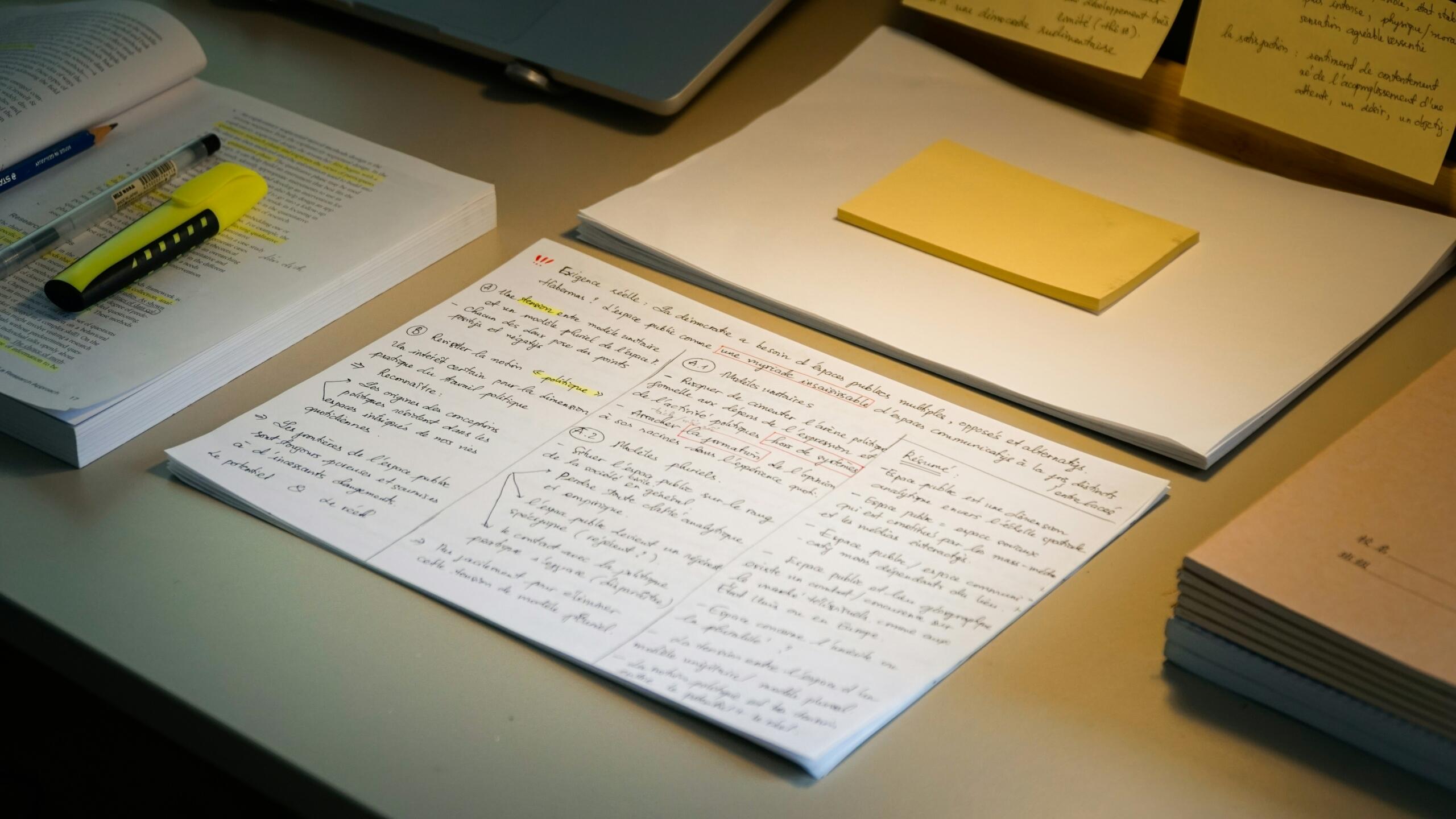
During the first conversation, ask what the student finds difficult, what they are studying in school, and whether there is an exam or deadline coming up. If the student is younger, it can also help to speak with a parent, especially when confidence or homework habits are part of the problem.
A good first lesson should not feel like an interrogation. It should help you see how the student thinks. Let them try a few questions, watch where they pause, and ask them to explain their reasoning. Sometimes the issue is not the topic itself, but the way the student reads the question, organises their working, or reacts when they feel uncertain.
Plan Each Tutoring Session With a Clear Structure
Maths lessons work best when they have a simple structure. Students often feel calmer when they know what to expect, and tutors teach better when each session has a purpose. You do not need a complicated lesson plan, but you should know what the student should understand by the end.
A strong session might follow this shape:
- Start with a short recap of the previous lesson or homework.
- Set one clear aim, such as solving simultaneous equations or interpreting probability questions.
- Explain the method using one or two worked examples.
- Let the student try similar questions while you observe their process.
- Finish with a short summary and one realistic task for next time.
This structure keeps the lesson moving without rushing the student. It also helps you notice whether they can apply the method independently, which is more important than simply following your explanation during the lesson.
When planning around SEC/O Level or post-secondary MATSEC preparation, include past-paper style questions regularly. Students need to become familiar with exam wording, expected working, and the level of detail required in answers. However, do not turn every lesson into a mock exam. Concept work still matters, especially when a student has been memorising methods without understanding why they work.
Adapt Your Explanation to the Learner
One of the most useful maths tutoring tips is simple: if the student does not understand your first explanation, do not repeat it in the same way. Change the example, slow the process down, draw a diagram, use smaller numbers, or connect the idea to something familiar.
Some students learn visually and need graphs, shapes, number lines, or colour-coded steps. Others learn by doing and need to attempt questions themselves before the method makes sense.

Some students are strong verbally, so asking them to explain the rule back to you can reveal whether they have truly understood it.
This is where tutoring is different from classroom teaching. When you become a maths tutor in Malta, you are not trying to manage a room full of students at once. You can adjust the pace, focus on one learner’s weak spots, and return to a topic as many times as needed.
That personalisation is the main value of private tutoring. A student who feels lost in class may do much better when someone breaks the material into smaller steps and gives them space to ask questions without embarrassment.
A strong maths tutor often learns more from a student’s mistake than from a correct answer, because the mistake shows where the thinking breaks down.
Managing Maths Anxiety
Many students who need maths tutoring are not lazy or careless. They may be anxious. Some freeze when they see a long word problem. Others panic when a method has several steps. Some already believe they are “bad at maths”, which makes every mistake feel like proof.
A tutor needs to be careful with this. Reprimanding, rushing, or showing frustration will usually make things worse. Instead, treat mistakes as information. If the student gets something wrong, ask where the answer came from. Often you will find a small misunderstanding that can be fixed calmly.
Confidence builds through small wins. Start with questions the student can almost manage, then gradually increase the difficulty. Praise clear working, careful checking, and improved reasoning, not just correct answers. When students realise that maths can be broken down, the subject starts to feel less threatening.
For learners with persistent difficulties, patience matters more than speed. You may need to revisit number sense, fractions, negative numbers, or basic algebra before moving into exam questions. That is not wasted time. It is the foundation that makes later progress possible.
| Student need | Helpful tutoring approach |
|---|---|
| Maths anxiety | Start with small wins and calm explanations |
| Exam preparation | Use past-paper style questions regularly |
| Weak foundations | Rebuild basics before harder topics |
| Visual learning | Use diagrams, graphs, and worked layouts |
| Online lessons | Use shared documents and active problem solving |
Preparing Students for SEC/O Level, Post-Secondary MATSEC, and Higher Levels
In Malta, many students seek tutoring because they are preparing for SEC/O Level Mathematics or post-secondary MATSEC examinations. These learners need both subject knowledge and exam technique. A tutor should help them understand the topic, but also show how to present working clearly and manage time under exam conditions.
SEC preparation often involves strengthening core areas such as algebra, geometry, graphs, percentages, ratio, probability, and problem solving. Students may know individual methods but struggle when a question combines topics. Your job is to help them recognise what the question is really asking and choose a method confidently.

Post-secondary MATSEC learners usually need more independence. At this level, students may be dealing with functions, calculus, statistics, vectors, or more abstract reasoning.
The tutor’s role becomes less about walking through every step and more about helping the learner think through the structure of a problem.
Experience with exam preparation can also influence the value of your lessons. Tutors who understand local expectations and can guide students through higher-level material may position themselves differently from those offering general homework support. That is why maths teacher salary in Malta is often linked not only to teaching time, but also to level, preparation, and expertise.
Past-paper practice works best when students review why an answer is wrong, not just whether it is wrong.
Teaching Maths Privately Online or in Person
Teaching maths privately can work well both online and face to face. The best format depends on the student’s age, independence, and learning style. Younger learners may benefit from in-person sessions because the tutor can watch their written working more closely. Older students may be perfectly comfortable online, especially if they already know how to share documents or use a digital whiteboard.
Online tutoring can be efficient for tutors in Malta because it reduces travel time and makes scheduling easier. It also allows you to work with students in Gozo or with Maltese learners living abroad. To make online lessons effective, use clear visual materials, ask the student to talk through their steps, and make sure they are not just watching passively.
In-person lessons can feel more personal and may help students who need encouragement or close guidance. They also make it easier to use paper, diagrams, calculators, and written correction in a natural way. Whichever format you choose, the lesson should feel prepared, calm, and professional.
Keep Lessons Practical and Motivating
Maths becomes easier to teach when students see why it matters. Not every learner will love abstract equations, but many respond well when ideas are linked to real life. Percentages can connect to discounts or budgeting. Ratio can connect to recipes. Graphs can connect to weather, sport, business, or transport. Geometry can connect to room layouts, design, and measurement.
Practical examples are not childish. They help students attach meaning to procedures. Once the concept makes sense, formal methods become easier to remember.
Motivation also improves when students can see progress. Keep notes on what you have covered and what the student has improved. At the start of a lesson, remind them of something they struggled with before but can now do more confidently. This makes progress visible.
A tutor’s reputation often grows from these small moments. Students and parents remember lessons that feel clear, organised, and encouraging. Over time, strong results and positive experiences can help you find students for maths tutoring in Malta through recommendations as well as online visibility.

Build Your Own Teaching Style Over Time
No tutor starts perfectly. You will improve by noticing what works, asking for feedback, and adjusting your lessons. Some explanations will land immediately. Others will need reworking. That is normal.
After each lesson, take a minute to reflect. What confused the student? Which example helped? Did the student have enough time to practise? What should you revisit next time? These small reflections help you become more effective without overcomplicating your preparation.
Good tutoring is not about showing how clever you are. It is about helping the student understand more clearly than they did before. If you can plan carefully, explain patiently, and adapt to each learner, you can build trust lesson by lesson.
📊 Poll: What is the most important maths tutoring skill?
Summarise with AI:
Did you like this article? Leave a rating!

 Loading...