
The island of Malta is a symbol of courage that will never be forgotten.
King George VI
When World War II began in 1939, Malta once again found itself at the centre of a global conflict. Because of its position between Italy and North Africa, Malta in the Second World War became a key British base and a major Axis target. Control of the island meant influence over vital sea routes and supply lines across the Mediterranean.
The role of Malta quickly became clear. British aircraft and submarines based on the island attacked Axis convoys heading to North Africa, which made Malta a constant threat to enemy operations.
As a result, the island faced heavy bombing, severe shortages, and years of siege. The story of Malta is therefore not only about strategy, but also about the resilience of its civilian population and the marks left on its history by many notable people of Malta.


Malta's strategic importance in the Mediterranean
Because of its central location, Malta became one of the most important strategic points in the Mediterranean. The island sat directly between Italy and the Axis forces fighting in North Africa. Any ships carrying fuel, weapons, or reinforcements to those fronts had to pass near Malta, which made it a constant threat to Axis supply lines.
During the Siege of Malta, the island endured more than 3,000 air raids between 1940 and 1942, making it one of the most heavily bombed places in the world.
British submarines, aircraft, and naval units based on the island regularly attacked these convoys. Even small disruptions could delay or weaken Axis operations in North Africa. This made Malta a crucial part of Allied strategy.
For Germany and Italy, the island represented a serious obstacle. As long as Malta remained in British hands, their supply routes were at risk. The Axis powers therefore launched repeated air raids in an attempt to neutralise the island’s airfields, ports, and defences. What began as strategic pressure soon turned into a prolonged and devastating siege.
Talking about sieges, have you heard about one of the most defining battles in Malta, The Great Siege in 1565?
The role of Malta in the Second World War before the siege
When war broke out in 1939, the island was a British fortress colony with limited air defences and only a small number of modern aircraft. For several months, it remained relatively quiet, as the main fighting took place elsewhere in Europe.
This changed in June 1940, when Italy entered the war on the side of Germany. Almost immediately, Malta in World War 2 became a frontline target. Italian aircraft launched the first bombing raids on the island’s harbours, airfields, and towns. These early attacks marked the beginning of what would become one of the longest sieges of the war.
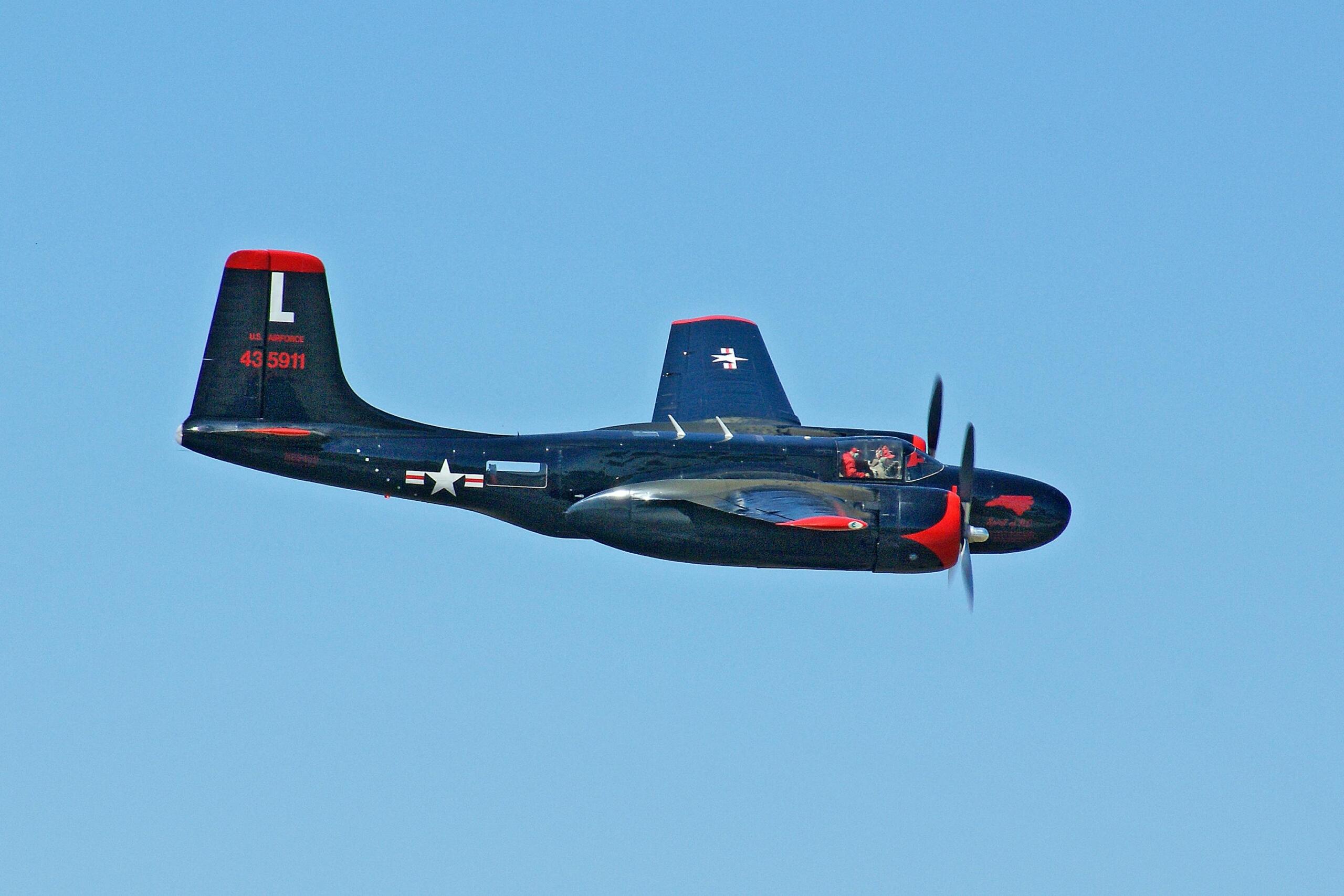
The British quickly strengthened the island’s defences. More anti-aircraft guns were installed, airfields were expanded, and fighter aircraft were sent to protect the skies. Civilians also began preparing for sustained bombing. Shelters were dug into rock, and public buildings were adapted to provide protection during air raids.
As the attacks increased, the role of Malta grew more dangerous but also more important, similar as in World War I. The island’s bases allowed the British to strike at Axis supply routes, which made it a strategic prize that both sides were determined to control.
The Siege of Malta during World War II (1940–1942)
The siege began in earnest after Italy entered the war in June 1940. Over the next two years, Malta became one of the most heavily bombed places in Europe. Italian and later German aircraft launched constant raids against the island’s airfields, harbours, and towns. The aim was to destroy Malta’s ability to interfere with Axis supply routes and force the British to surrender the island.
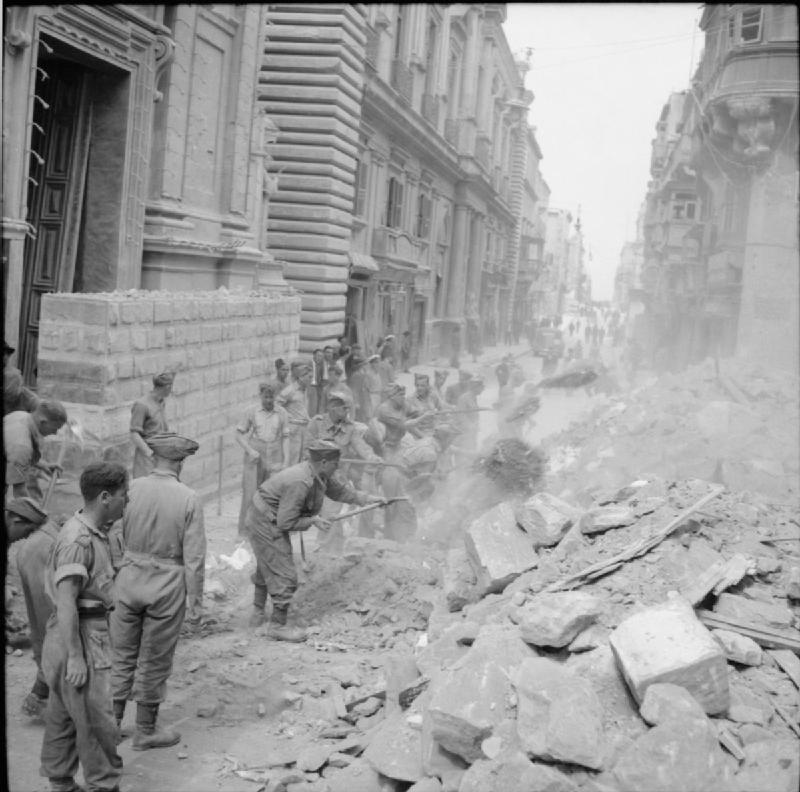
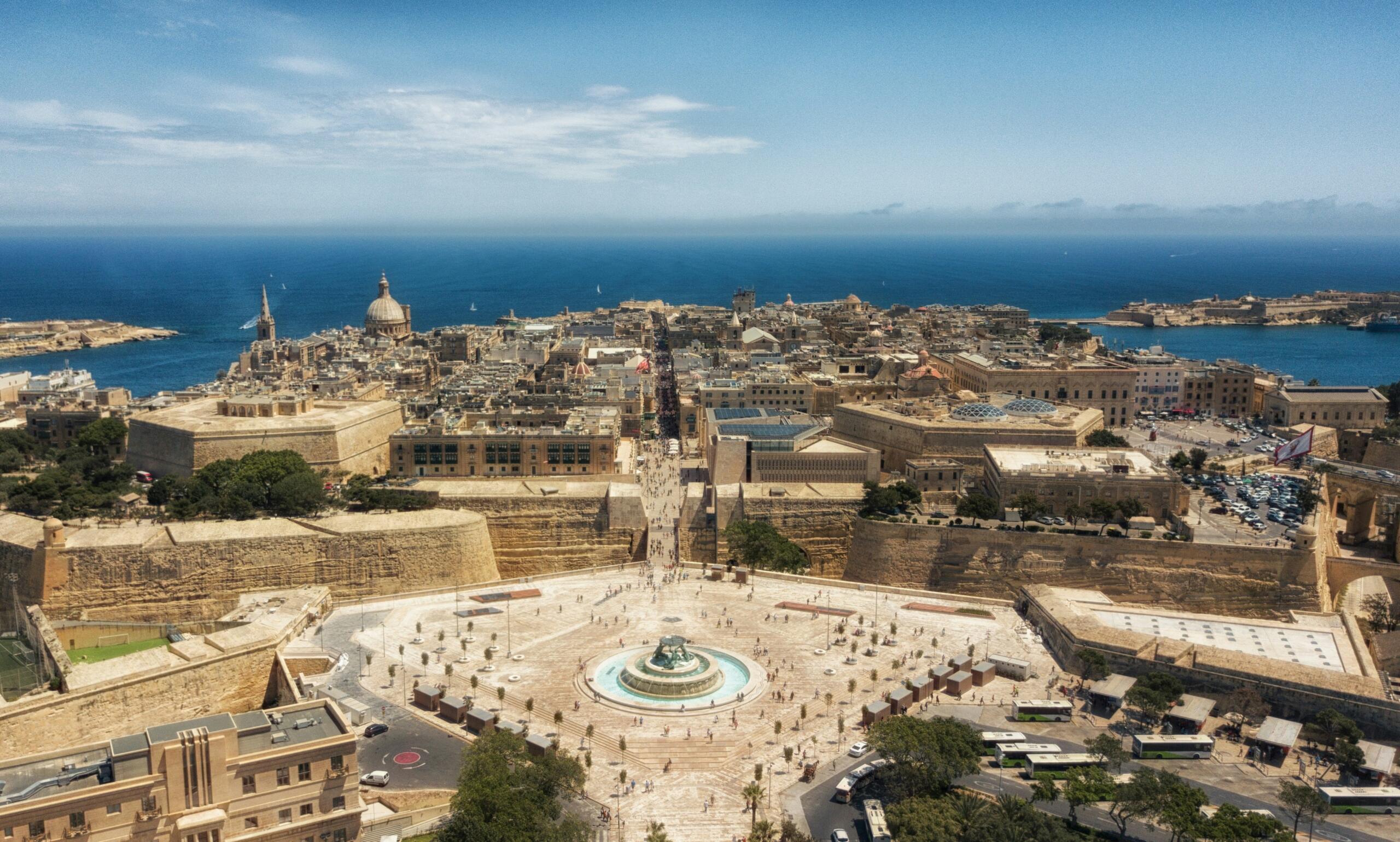
The attacks were relentless. Cities such as Valletta and the surrounding dockyard towns suffered heavy damage. Homes, churches, and public buildings were destroyed, and many families lost everything they owned.
The bombing disrupted water, electricity, and transport, making daily life increasingly difficult. This period became one of the most dramatic chapters in Malta's WWII history, as civilians endured the same dangers as the military.
Shortages, hunger, and survival
As the siege continued, shortages became one of the island’s greatest challenges. Axis attacks on shipping meant that food, fuel, and medical supplies were often scarce. Rationing was introduced, and by 1942, many residents faced the real threat of hunger. For much of Malta in World War 2, survival depended on the arrival of Allied supply convoys.
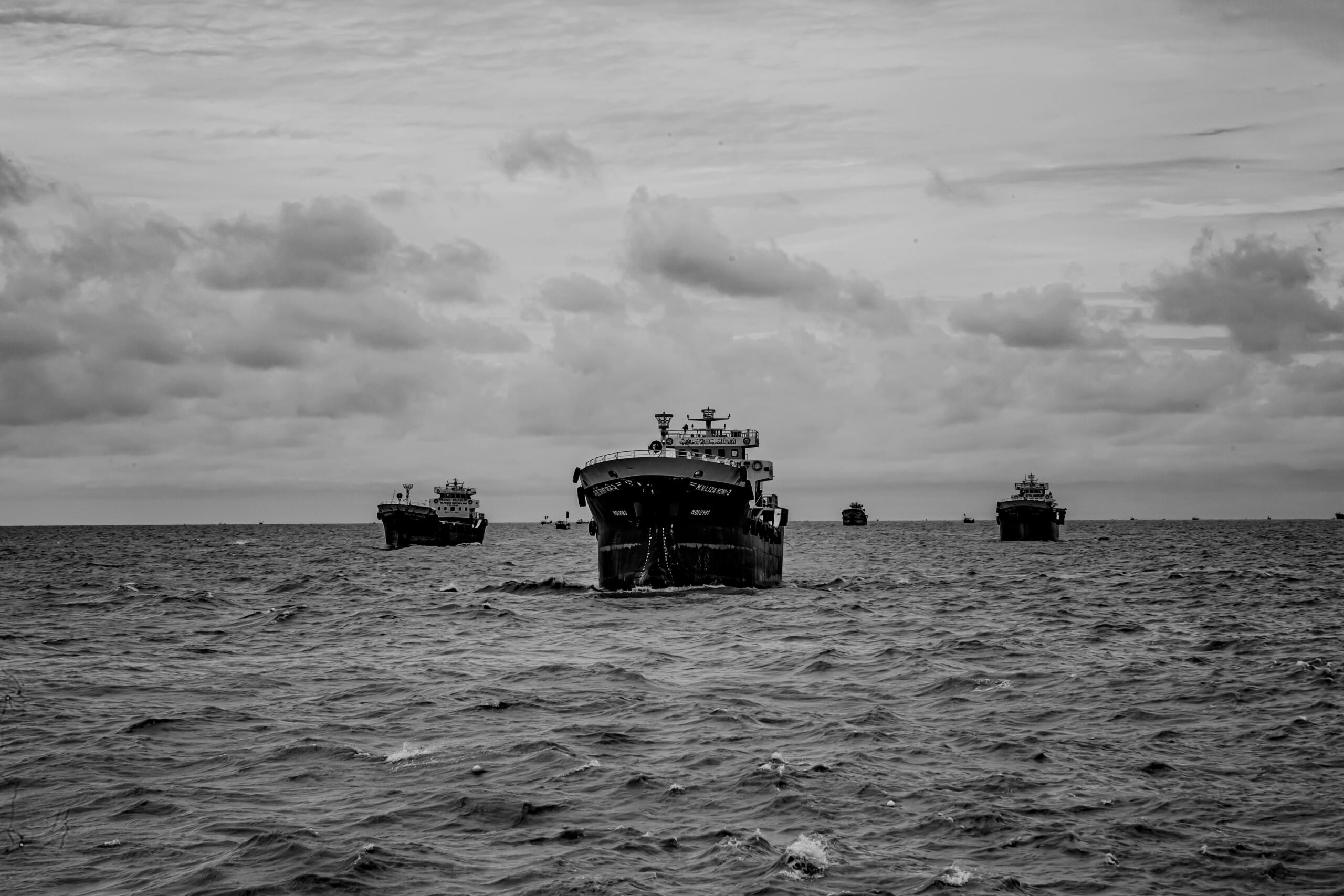
These convoys faced enormous risks from submarines, aircraft, and naval forces. Several were sunk before reaching the island. The most famous attempt was Operation Pedestal in August 1942. Although many ships were lost, the damaged tanker Ohio managed to reach Malta’s harbour, carrying much-needed fuel.
Its arrival became a symbol of endurance in Malta's historical events and highlighted the critical role of Malta in the War. Without these supplies, the island might have been forced to surrender.
Civilian life in Malta during the war
For civilians, the war meant constant danger. Air raid sirens were part of daily life, and many families spent hours or even several days in underground shelters.
Despite the bombing, normal routines continued where possible. Children attended lessons in shelters, and adults worked in dockyards, hospitals, and civil defence roles. Food was strictly rationed, and supplies were often limited.
Community support was essential. Neighbours shared food, repaired damage, and cared for the injured. This resilience became a key part of the role of Malta in the war, showing that the island’s strength came not only from its strategic position, but also from its people.
The George Cross and the recognition of Malta’s sacrifice
By 1942, the siege had pushed the island to its limits. Constant bombing, food shortages, and exhaustion had become part of daily life. Yet Malta continued to resist. In April 1942, King George VI awarded the George Cross to the entire population of Malta in recognition of their courage and endurance.
In 1942, King George VI awarded the George Cross to the entire population of Malta for their bravery, an honour that still appears on the Maltese flag today.
The George Cross was one of the highest civilian awards for bravery in the British honours system. Granting it to a whole island was an extraordinary gesture. It acknowledged not only the military contribution, but also the suffering and determination of civilians.
The award was announced in a public message from the king, praising the heroism and devotion of the Maltese people. The George Cross soon became a powerful national emblem. It was later incorporated into the Maltese flag, where it remains today as a reminder of the island’s wartime experience.
In Malta history, the George Cross represents more than a medal. It stands for the resilience of a population that endured years of siege, hunger, and destruction without surrendering.
Turning point and the end of World War II
By late 1942, the situation around the island began to change. Allied victories in North Africa weakened Axis forces and reduced the pressure on Malta. Supply convoys started arriving more regularly, and the worst shortages gradually eased. The siege that had dominated daily life for more than two years was finally coming to an end.
With improved supplies and stronger air defences, Malta once again became an active Allied base. Aircraft and submarines based on the island resumed attacks on Axis shipping. These operations played an important part in the wider history of the conflict, especially as the Allies prepared for new offensives in the Mediterranean.
In 1943, the island took on a new role. It became a staging point for the Allied invasion of Sicily, one of the first major steps in the campaign against Italy. Later that year, Italy surrendered to the Allies, marking a decisive shift in the war. For Malta, this finally meant the end of the constant bombing.
The lasting impact left behind from the war
The war left deep marks on the island. Large parts of towns and infrastructure had been destroyed, and many families faced the difficult task of rebuilding their homes and livelihoods. The experience became a defining moment in the island’s modern history.
The siege also strengthened a sense of national identity. The shared hardship of bombing, rationing, and shelter life created a strong feeling of unity among the population. This experience became a central part of the role of Malta, shaping how the conflict was remembered in later generations.
Today, the memory of the siege and the award of the George Cross remain important symbols in Malta history. Memorials, museums, and annual commemorations continue to honour the resilience of those who lived through the war and the sacrifices that shaped the island’s future.
Why Malta WWII history still matters today
More than eighty years later, the war remains central to the island’s identity. The siege showed how a small territory could influence the course of a global conflict through its location, resilience, and determination. The endurance of Malta became a symbol of resistance that is still remembered in national ceremonies and public memorials.
The experience also shaped Malta’s political and social development. The hardships faced by civilians during the war strengthened calls for greater self-government in the years that followed. In this way, the role of Malta had lasting effects beyond the battlefield, influencing the island’s path toward independence and its modern national identity.
📊 Poll: What do you find most remarkable about Malta in WWII?
References
- Imperial War Museums. “Malta Was Awarded the George Cross Collectively in April 1942 for Its ‘Heroism and Devotion.’” Imperial War Museums, https://www.iwm.org.uk/collections/item/object/1060007282
- Commonwealth War Graves Commission. “80th Anniversary of Malta Receiving the George Cross.” CWGC, https://www.cwgc.org/our-work/news/80th-anniversary-of-malta-receiving-the-george-cross/
- Imperial War Museums. How Malta Survived the Second World War. Imperial War Museums, https://www.iwm.org.uk/history/how-malta-survived-the-second-world-war
Summarise with AI:
Did you like this article? Leave a rating!

 Loading...