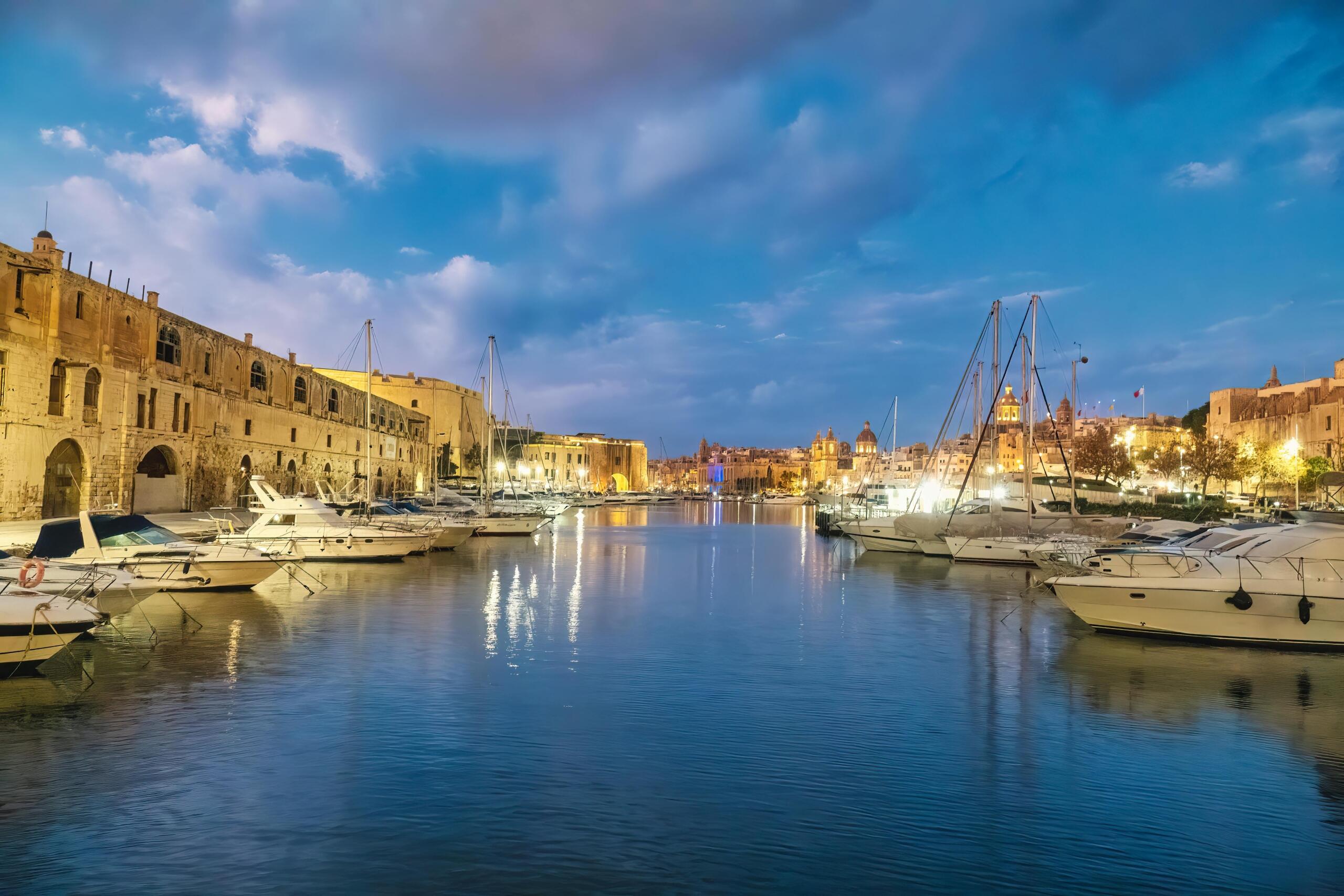

Malta is a small rock, but of immense value to the Empire.
Winston Churchill
When World War I began in 1914, Malta was already a key British base in the central Mediterranean. Although it was not a major battlefield, Malta played an important supporting role. Its harbours and dockyards helped keep vital sea routes open between the western Mediterranean, the Suez Canal, and the eastern fronts.
At the same time, the island became a major medical centre, treating thousands of wounded soldiers from campaigns such as Gallipoli and earning the nickname “the Nurse of the Mediterranean”.
This article explores the influence of Malta during this unprecedented global conflict: why the island mattered strategically, how its hospitals scaled up at speed, and what the war meant for everyday life, work, prices, politics, and the island’s long-term direction.


Malta in the First World War: Strategic importance at the outbreak of war
At the start of the conflict, Malta occupied a position that few other territories could match. Located roughly midway between Gibraltar and the Suez Canal, the island sat along the most important maritime route connecting Britain with India, Egypt, and the wider empire. This geography had shaped Malta WWI history long before 1914, but the pressures of global war made its importance far more visible.
Malta was already a major Royal Navy base, equipped with extensive dockyards, coaling stations, and fortified harbours. When the war began, British naval planners relied on the island to help control the central Mediterranean.
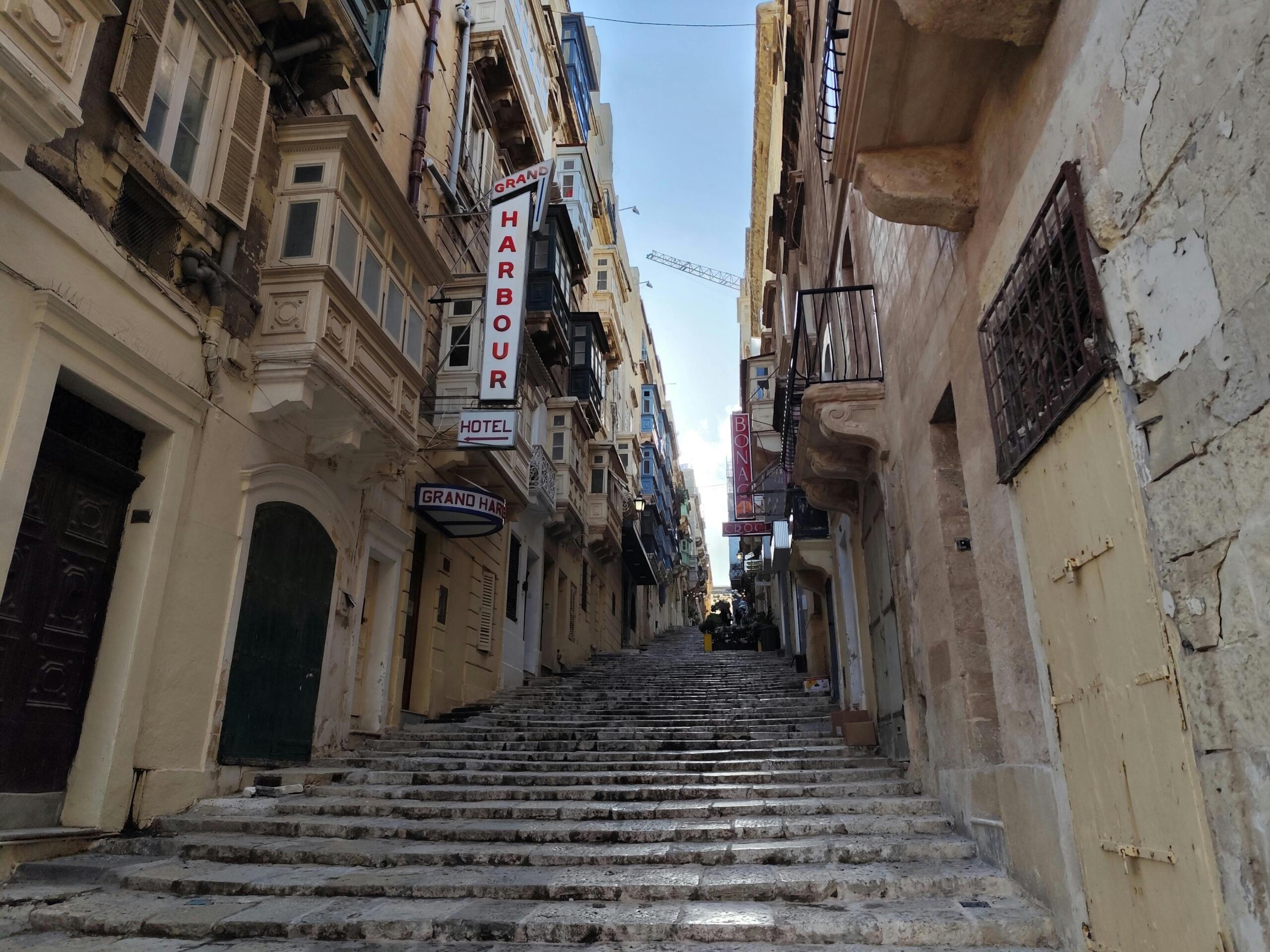
Ships operating against Ottoman positions or escorting convoys to the eastern fronts needed safe ports for refuelling, repairs, and resupply. Malta provided exactly that. Its sheltered Grand Harbour allowed large fleets to anchor, while its dockyard workers could repair battle damage or maintain engines between missions.
The island’s position also made it a natural staging point for troops moving toward the Dardanelles and the Balkans. Soldiers passed through its harbours, and military planners used it as a communications and supply hub.
In this way, Malta became a quiet but essential part of the Allied war machine, similar as what would happen during World War II. Its contribution may not have involved trenches or artillery barrages, but without such strategic bases, the wider war effort would have been far more difficult to sustain.
The role of Malta as a naval base and logistics centre
Beyond its position on the map, Malta was defined by the practical support it gave to Allied fleets. The Grand Harbour and dockyards formed one of the most important naval facilities in the Mediterranean. Warships, troop transports, and supply vessels relied on Malta for repairs, coal, ammunition, and food.
The dockyards were already major employers, but their importance grew once the war began. Engineers and labourers worked continuously to keep ships operating in the eastern Mediterranean. Damaged vessels could be repaired in Malta instead of returning to Britain, saving time and keeping fleets active.
Malta’s Grand Harbour was so vital to Allied operations that warships constantly stopped there for repairs, coal, and supplies before returning to the eastern fronts.
Convoys heading to campaigns such as Gallipoli also depended on the island’s infrastructure. Malta’s harbours served as staging points where ships regrouped and refuelled. In this way, Malta acted as a vital link between Britain and its eastern fronts.
The naval presence also shaped daily life. Thousands of sailors and soldiers created demand for food, services, and housing, which benefited local businesses and workers. At the same time, reliance on wartime supply chains made the island vulnerable to shortages and rising prices.
Through its harbours, dockyards, and workforce, Malta became a logistical anchor for Allied operations, showing how the role of Malta extended far beyond the battlefield, just like back in 1565 during one of the most formative battle of Malta's history, The Great Siege of Malta.

Malta as the “Nurse of the Mediterranean”
While its harbours supported naval operations, the island’s most famous contribution was medical. Malta became known as a centre for treatment and recovery, especially after the heavy casualties of the Gallipoli campaign in 1915.
Malta's geographical location made it ideal: close enough to receive the wounded quickly, yet far enough from the front to provide safety. Hospital ships soon arrived regularly, and this transformation became a defining part of WWI history.
During World War I, Malta treated more than 130,000 wounded soldiers, many evacuated from the Gallipoli campaign.
Hospitals and medical infrastructure in Malta during WW I
To handle the influx of casualties, large parts of the island were turned into medical facilities. Barracks, schools, hotels, and public buildings became temporary hospitals. By 1915, Malta offered tens of thousands of beds for wounded soldiers. They arrived by ship, received surgery and care, and recovered in the island’s mild climate.
Doctors and nurses worked under pressure, treating everything from gunshot wounds to severe infections. Despite the challenges, the system earned a strong reputation. These efforts became a central part of Malta in the war, shaping how the island was remembered by Allied troops.
International patients and medical staff
The wounded who passed through Malta came from across the Allied world, including British, Australian, New Zealander, and French soldiers. Many had never heard of the island before, yet their recovery there left a lasting impression.
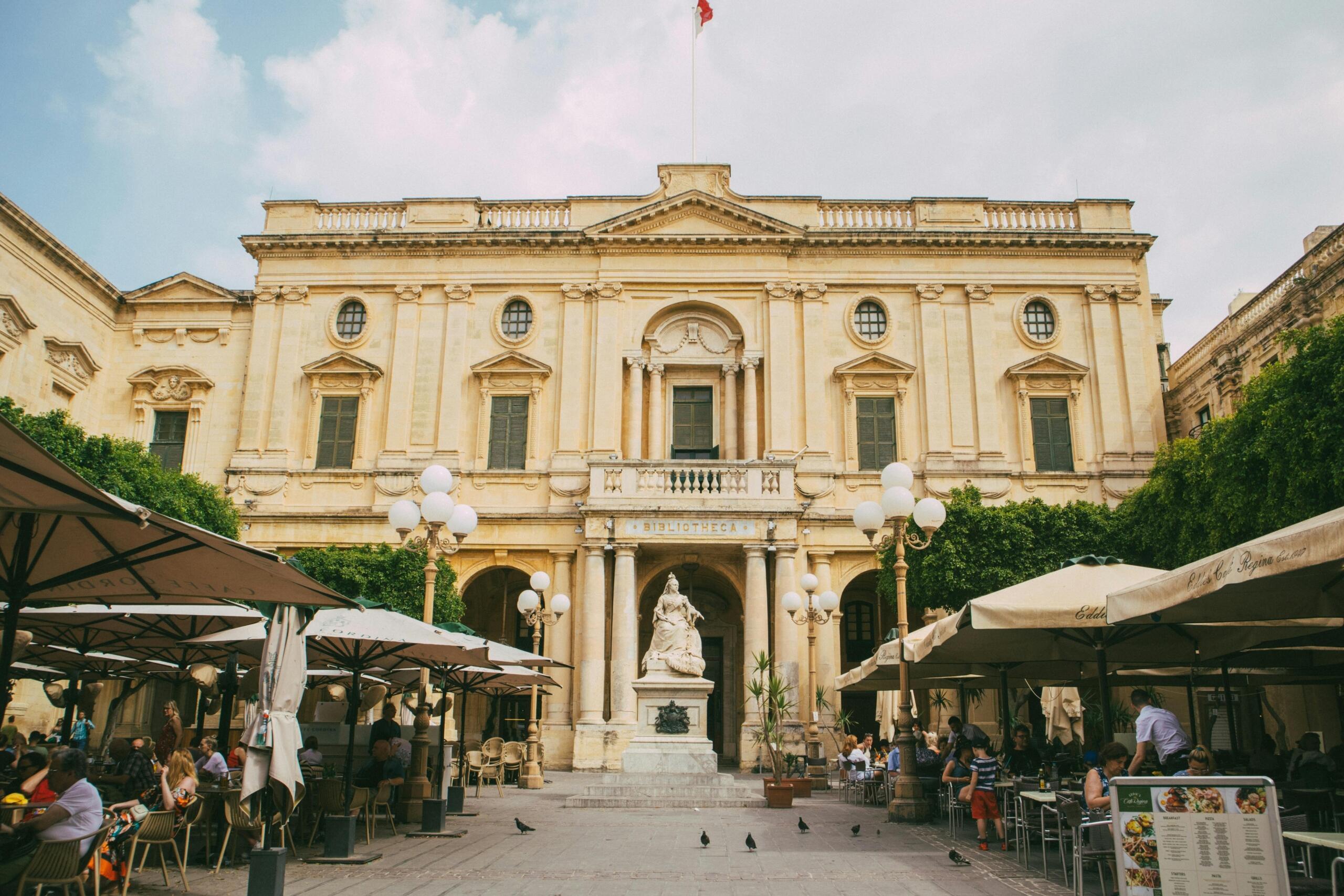
Medical teams reflected this international mix. British nurses worked alongside Maltese volunteers, local doctors, and religious orders. Civilians supported hospitals with supplies and comforts for patients, forming a key part of the role of Malta in the War.
Because of this vast hospital network and the lives it helped save, Malta earned the nickname “Nurse of the Mediterranean”. It highlighted the island’s humanitarian role and ensured that Malta would be remembered for care as well as strategy.
Civilian life in Malta
For the people on the island, the war brought both opportunity and hardship. The presence of the British military and the expansion of the dockyard created jobs and steady wages for many workers. Families linked to naval industries or transport often found more secure employment, and this economic activity became an important part of Malta history.
At the same time, the war disrupted trade routes and strained supplies. Malta relied heavily on imported food, especially grain, and shipping shortages pushed prices up. Bread and other essentials became more expensive, which put pressure on working families and increased social tension.
Daily life was also shaped by the arrival of foreign soldiers and wounded patients. Many locals volunteered in hospitals or hosted recovering troops, creating new cultural encounters. As economic difficulties grew, political awareness also increased along famous people in Malta. These debates were closely tied to the wider role of Malta, as the island’s contributions led many to demand greater self-government.
Political changes and the role of Malta in the First World War’s aftermath
As the conflict ended in 1918, the role of Malta began to shape the island’s political future. Malta had supported the Allied effort as a naval base, logistics centre, and medical hub, and many locals believed these contributions deserved greater political recognition within the British Empire.
The end of the war also brought economic problems. Military activity declined, dockyard employment fell, and the high cost of living continued to affect working families. This created growing dissatisfaction, especially in urban areas.
In June 1919, tensions erupted into protests that turned violent. Four Maltese civilians were killed when British troops opened fire, in events later known as the Sette Giugno uprising. This moment became a turning point, highlighting the gap between wartime contributions and political rights.
The unrest pushed Britain to introduce constitutional reforms, and within a few years Malta received a new constitution with limited self-government. These developments strengthened political awareness across the island.
Long-term legacy in Malta WWI history
The events of the war left a lasting imprint and Malta's history is closely tied to the changes that followed. During the war, the economy relied heavily on naval activity, dockyard work, and the presence of Allied forces. When the fighting ended, many of these sources of income declined, creating unemployment and financial uncertainty.
At the same time, the experience of Malta during the war strengthened political awareness. The island’s service as a naval and medical hub became a point of pride, but it also increased demands for greater self-government. The memory of Malta during the war, especially its humanitarian reputation, remained central to national identity.
In this way, the role of Malta in War continued to shape the island’s politics, economy, and sense of purpose long after the fighting had stopped.
Why Malta's role in the First World War still matters today
More than a century later, the Great War remains an important chapter in the island’s national story. The war confirmed Malta’s strategic value in the Mediterranean and demonstrated how a small island could play a crucial supporting role in a global conflict. Its harbours kept fleets supplied, while its hospitals treated tens of thousands of wounded soldiers.
The humanitarian reputation Malta gained during the conflict also left a lasting mark. The image of the island as the “Nurse of the Mediterranean” reflected a contribution based on care, recovery, and international cooperation rather than battlefield victories. This aspect of Malta history still shapes how the period is remembered.
At the same time, the social and political changes that followed the war showed how deeply the conflict had affected local life. The experiences of Malta during World War I helped drive demands for reform and greater self-government. In this way, the role of Malta was not only about strategy and medicine, but also about shaping the island’s modern identity.
📊 Poll: What part of Malta’s WWI role stands out most to you?
References
- Central Bank of Malta. Malta 100 Years: WWI. Central Bank of Malta, https://www.centralbankmalta.org/malta-100-years-wwi
- Commonwealth War Graves Commission. Visit Malta. CWGC, https://www.cwgc.org/visit-us/visit-malta/
- Cassar, Kevin. Malta during the First World War: Beyond the Nurse of the Mediterranean. University of Malta, 2024, https://www.um.edu.mt/library/oar/bitstream/123456789/137188/1/Malta_during_the_first_world_war__beyond_the_nurse_of_the_Mediterranean%282024%29.pdf
Summarise with AI:
Did you like this article? Leave a rating!

 Loading...