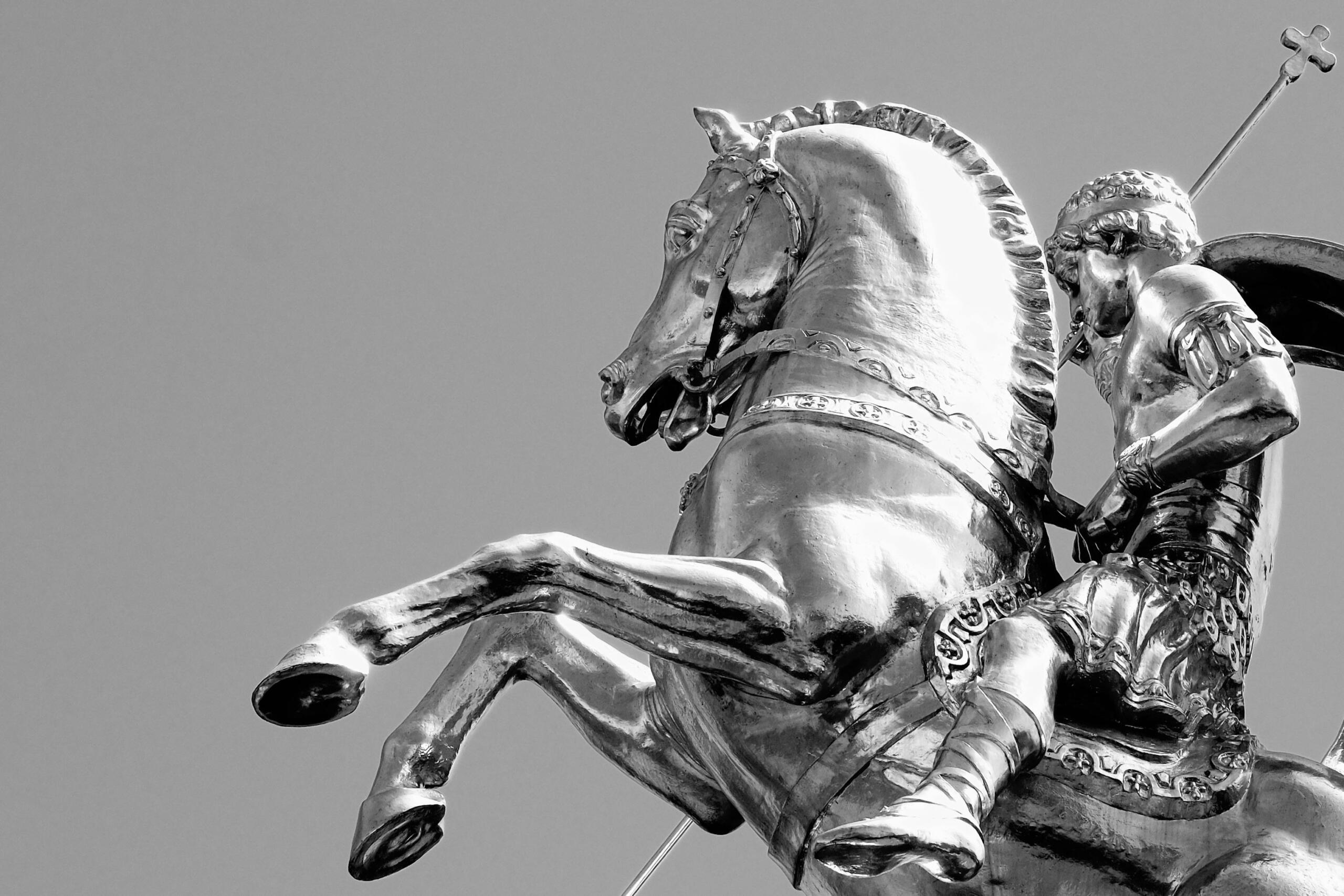

The history of Malta is the history of the Mediterranean.
Jacob Burckhardt
Across centuries of conquest, trade, and political change, a wide range of historical figures helped shape Malta's identity. Some were military leaders, others were political reformers, and many were writers, thinkers, and cultural pioneers. Together, these notable Maltese people influenced the language, architecture, government, and traditions that define the country today.
Rather than focusing on detailed biographies, this article looks at the notable people in Malta's history across different periods. From the era of the Knights of St John to modern political leaders and cultural voices, each individual represents a turning point in the story of the islands and the direction they would take.


Key figures during the Knights of St John
The arrival of the Knights of St John in 1530 marked one of the most decisive turning points in Maltese history. The order transformed the islands into a fortified stronghold and a cultural centre in the Mediterranean. Several leaders from this period stand out among the most important key figures in Malta, as their decisions shaped the island’s political, military, and architectural development.
Jean Parisot de Valette
Jean Parisot de Valette is one of the most famous figures, even though he was born in France. As Grand Master of the Knights, he led the defence of Malta during the Great Siege of 1565, when the Ottoman Empire attempted to capture the islands. Under his leadership, the Knights and local population resisted months of attacks before the Ottoman forces withdrew.
After the siege, one of the most notable battles in Maltese history, de Valette oversaw plans for a new fortified capital. The city of Valletta, named in his honour, became a symbol of the island’s survival and strength. His leadership during the siege and the founding of the capital secured his place among the most influential Maltese people in the country’s past.
Jean Parisot de Valette never lived to see the full completion of Valletta, the capital city named in his honour after the Great Siege of 1565.
Nicolas Cotoner
Another important figure from the Knights’ period was Grand Master Nicolas Cotoner, who ruled from 1663 to 1680. During his time, the Knights continued to strengthen Malta’s defences in response to the constant threat of invasion. Cotoner oversaw the construction of major fortifications around the harbour area, including the extensive defensive lines later known as the Cottonera Lines.
These projects protected the Three Cities and the Grand Harbour, which were central to Malta’s economy and military importance. Cotoner’s focus on fortifications ensured that the islands remained secure, making him one of the important figures in Malta during the later years of the Knights’ rule.
Manuel Pinto da Fonseca
Manuel Pinto da Fonseca, Grand Master from 1741 to 1773, presided over one of the longest and most prosperous administrations of the Knights’ era. Unlike de Valette and Cotoner, his rule was less defined by warfare and more by cultural and economic development.
Pinto invested in architecture, trade, and public works, helping transform Valletta into a more vibrant and cosmopolitan city. Palaces, churches, and civic buildings were expanded or renovated during his time. His long leadership left a visible mark on the urban landscape and daily life of the islands. For this reason, he is often counted among the most influential historical figures of the eighteenth century.
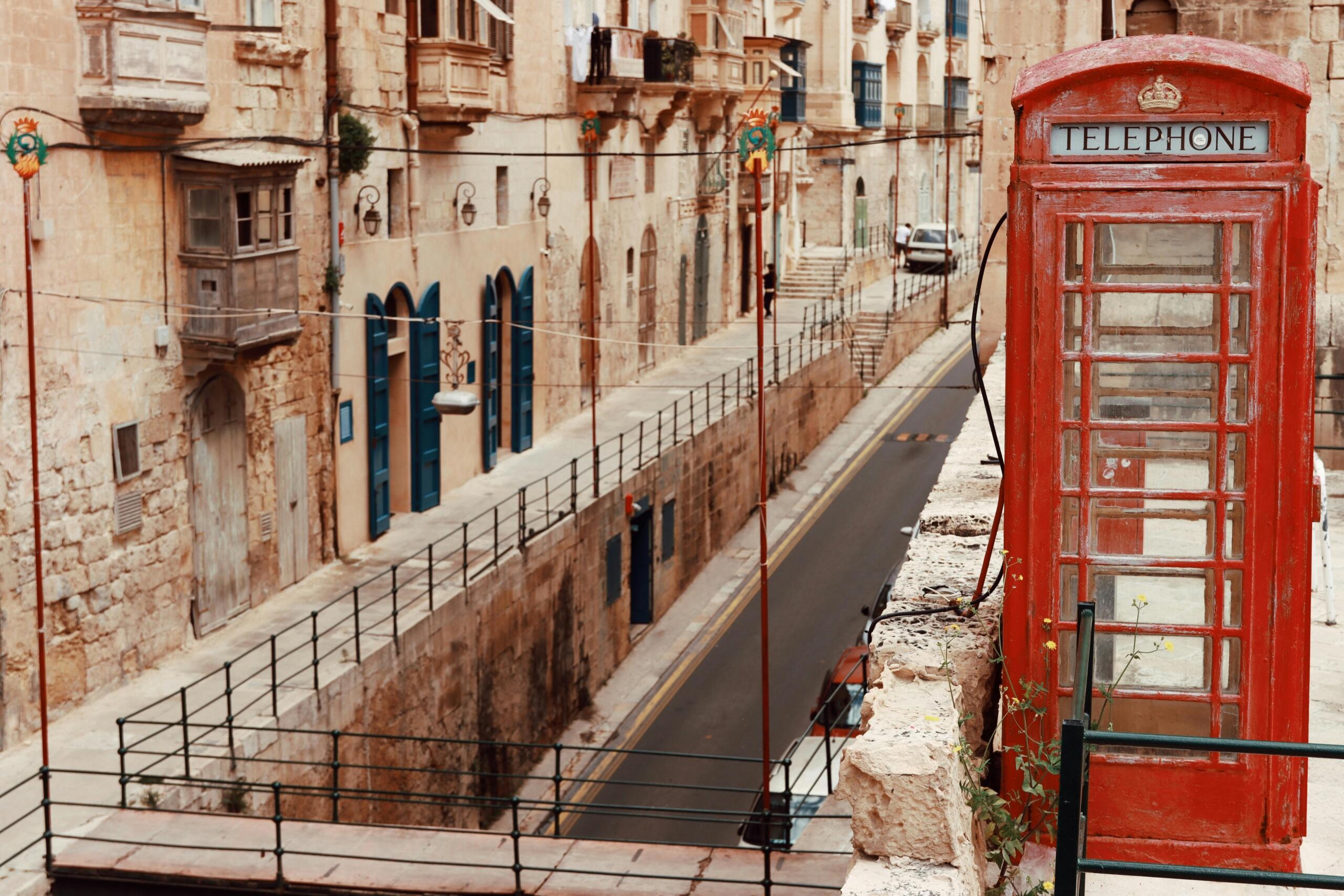
Together, these leaders represent different phases of the Knights’ period, from military survival to urban and cultural development. Their actions shaped the fortifications, capital city, and institutions that defined Malta for centuries like in the first World War.
Influential figures under British rule
The period of British rule, which began in 1800 and lasted until independence in 1964, introduced major political, social, and cultural changes. Several Maltese people and administrators from this era played a role in shaping modern institutions, national identity, and political life. These individuals stand out among the most important Maltese figures of the nineteenth and early twentieth centuries.
Sir Alexander Ball
Sir Alexander Ball was a British naval officer who became a central figure in Malta’s transition from French to British control. After the Maltese uprising against the French in 1798, Ball helped organise the blockade that forced the French garrison to surrender in 1800. He later became the first British Civil Commissioner of Malta.
Ball earned the trust of the local population by respecting Maltese customs and working closely with community leaders. His administration laid the groundwork for British governance on the island, making him one of the early figures in Malta history during the colonial period.
Mikiel Anton Vassalli
Mikiel Anton Vassalli was a linguist, writer, and intellectual often described as the “father of the Maltese language.” At a time when Italian and Latin dominated official and literary life, Vassalli promoted the use of Maltese as a written language.

He produced dictionaries, grammar works, and educational texts that helped standardise the language. His efforts encouraged a stronger sense of national identity and cultural independence. Because of this influence, Vassalli is widely recognised among the most important Maltese people of the nineteenth century.
Enrico Mizzi
Enrico Mizzi emerged as a major political figure in the early twentieth century. As a leader of the Nationalist movement, he advocated for Maltese cultural identity and political self-determination. His political career reflected the tensions of the period, especially debates over language, education, and Malta’s relationship with Britain and Italy.
Mizzi briefly served as Prime Minister in 1950, shortly before his death. His role in shaping nationalist politics and debates about independence secured his place among the key figures during the final decades of British rule.
Together, these individuals reflect different aspects of the British period, from early administration to cultural revival and political activism.
Political leaders in modern Malta
The twentieth century brought major political change to the islands, including independence, constitutional reform, and closer ties with Europe. Several political leaders from this period stand out among the most influential key figures, as their decisions shaped the structure and direction of the modern state.
George Borg Olivier
George Borg Olivier played a central role in Malta’s path to independence. As leader of the Nationalist Party and Prime Minister, he guided negotiations with Britain that led to Malta becoming an independent state in 1964. His diplomatic approach helped the island move toward self-government while maintaining stable relations with the United Kingdom and other international partners.
Borg Olivier’s leadership during this transition secured his place among the most important historical figures of the twentieth century. His efforts laid the foundation for Malta’s modern political system.
Dom Mintoff
Dom Mintoff was one of the most influential and controversial political leaders in modern Maltese history. As Prime Minister, he introduced wide-ranging social and economic reforms. In 1974, under his leadership, Malta became a republic, ending the last formal ties with the British monarchy.
Mintoff also pursued a foreign policy based on neutrality and non-alignment, seeking closer ties with countries outside the traditional Western bloc. His policies reshaped Malta’s economy, social services, and international position, making him one of the most significant Maltese people of the post-independence era.
Eddie Fenech Adami
Eddie Fenech Adami led Malta through another important phase of political change. As Prime Minister, he guided the country toward membership in the European Union, which was achieved in 2004. This step marked a major turning point in the island’s political and economic development.
Fenech Adami later served as President of Malta, continuing to play a prominent role in public life. His leadership during the EU accession process secured his place among the significant figures in Malta, as his decisions shaped Malta’s position within Europe.
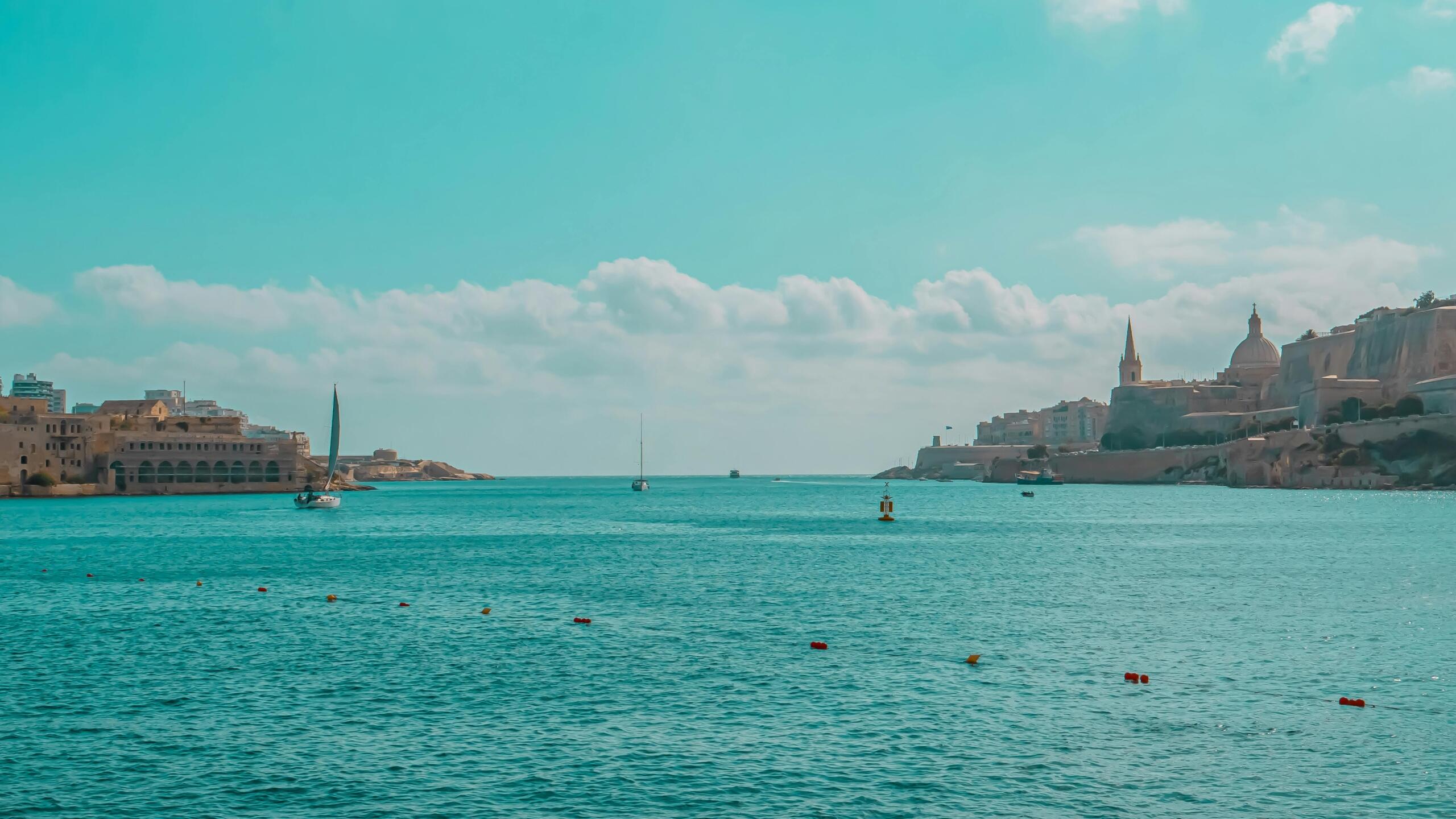
Together, these leaders represent different stages of Malta’s modern political journey, from independence to republic status and European integration.
Cultural and intellectual Maltese throughout history
Alongside political leaders and military figures, writers, thinkers, and cultural voices also played a key role in shaping the island’s identity. These Maltese figures influenced language, literature, and public debate, helping define what it meant to be Maltese across different eras.
Ġużè Muscat Azzopardi
Ġużè Muscat Azzopardi was a writer, poet, and cultural advocate in the late nineteenth and early twentieth centuries. He played an important role in promoting Maltese literature at a time when Italian dominated formal writing. Through novels, poetry, and theatre, he helped bring the Maltese language into cultural life.
His efforts contributed to a broader movement that aimed to strengthen national identity. For this reason, he is often listed among the most influential Maltese people in the development of Maltese literature.
Mikiel Anton Vassalli, known as the “father of the Maltese language,” was once imprisoned because of his political ideas and support for Maltese cultural identity.
Carmelo Borg Pisani
Carmelo Borg Pisani remains one of the most controversial figures in Malta’s twentieth-century history. During World War II, he supported Italian forces and took part in a failed espionage mission. He was captured by the British and executed for treason in 1942.
His story reflects the deep political and cultural divisions that existed on the island at the time. Whether viewed as a traitor or a nationalist martyr, Borg Pisani remains one of the most debated figures in Malta's twentieth-century history, representing the tensions of the wartime period.
Oliver Friggieri
Oliver Friggieri was a poet, novelist, and philosopher who became one of the leading cultural voices of modern Malta. Writing in the late twentieth and early twenty-first centuries, he explored themes of identity, language, and social change.
Friggieri’s work helped shape contemporary Maltese literature and intellectual life. Through his writing and academic career, he influenced generations of readers and students, securing his place among important historical figures in the cultural sphere.
Together, these cultural voices show that the story of Malta was shaped not only by rulers and politicians, but also by writers and thinkers who influenced language, identity, and public debate.
Why these important people in Malta still matter today
The stories help explain how the island developed its language, political system, and cultural identity. From the Grand Masters who built fortifications and cities, to the reformers who shaped modern politics, each of these Maltese figures influenced the direction of the country in lasting ways.
Their actions are still visible in Malta’s streets, institutions, and traditions. Valletta reflects the legacy of the Knights, while the constitution, language, and modern economy show the impact of more recent leaders and thinkers. These notable Maltese people represent different eras, but together they form a continuous thread that connects Malta’s past to its present.
Malta’s 2026 Eurovision entry by Aidan (Bella) includes a lyrical reference to Jean de Valette, the Grand Master who led the defence during the Great Siege of 1565: “Irbaħtli l-battalja, int Jean la Valette”.
📊 Poll: Which type of historical figure interests you most?
References
- “Malta: History and Biographies.” Encyclopaedia Britannica, https://www.britannica.com/place/Malta
- Heritage Malta. Key Personalities in Maltese History. Heritage Malta, https://heritagemalta.mt/
- National Archives of Malta. Historical Figures and Political Leaders of Malta. National Archives of Malta, https://nationalarchives.gov.mt/
Summarise with AI:
Did you like this article? Leave a rating!

 Loading...