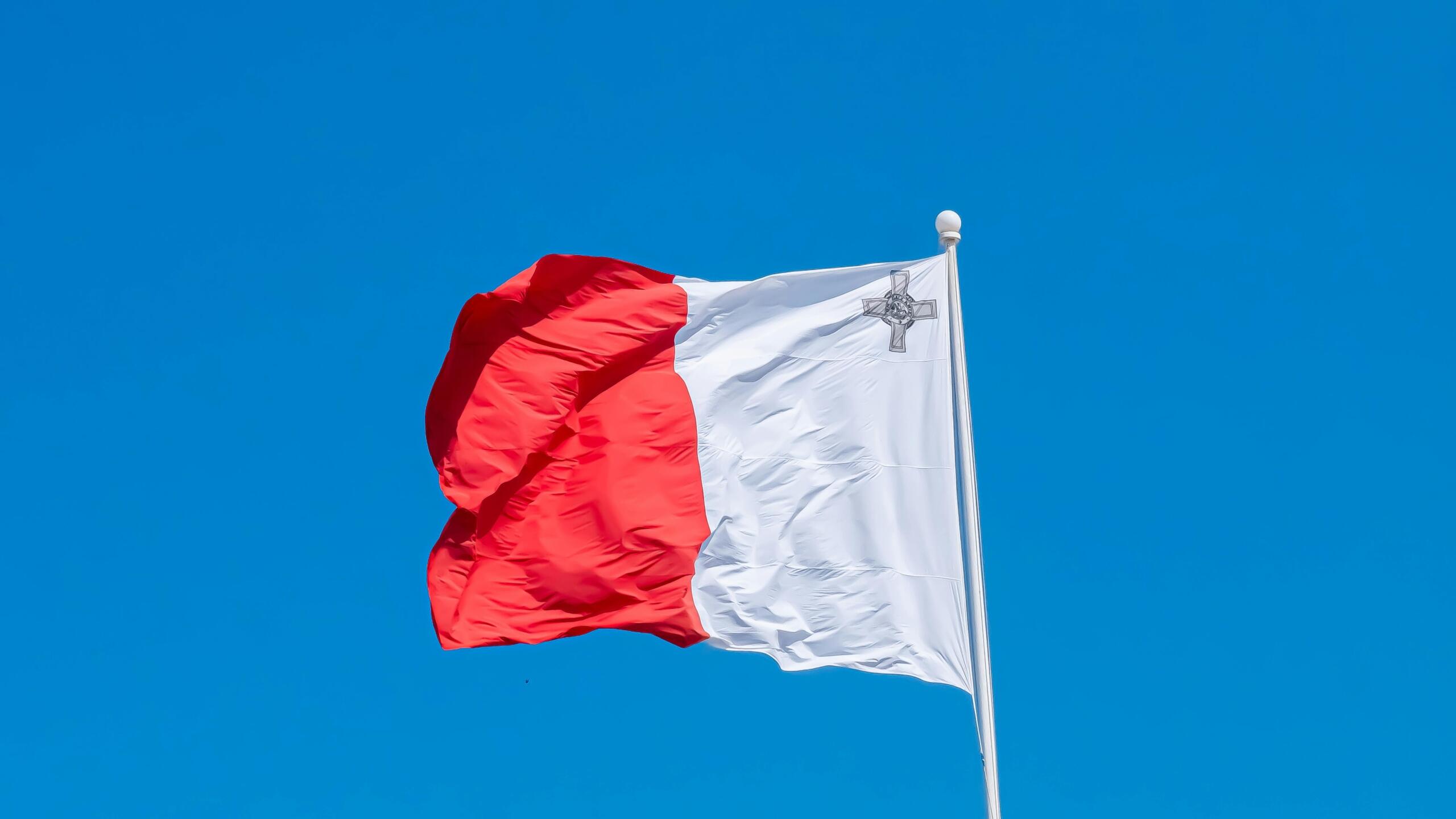

Malta is a microcosm of Mediterranean history.
Fernand Braudel
The history of Malta stretches back thousands of years and reflects the island’s position at the centre of Mediterranean trade routes. Over time, Phoenicians, Romans, Arabs, Knights, and the British all left their mark. These layers of influence shaped the language, architecture, and culture seen on the islands today.
From prehistoric temples to modern independence, the major events in Maltese history reveal a place that was often small in size but large in strategic importance. This article follows a clear chronological path, highlighting the most important events and locations that define the Maltese history from ancient times to the present.
c. 5200 BCE
First settlers arrive from Sicily
c. 3600–2500 BCE
Construction of the prehistoric megalithic temples, among the oldest in the world
218 BCE
Malta becomes part of the Roman Empire
870
Arab conquest brings major cultural and linguistic changes
1530
The Knights of St John take control of Malta
1565
The Great Siege, a decisive victory against the Ottoman Empire
1798
French forces under Napoleon capture the island
1814
Malta becomes a British crown colony
1914–1918
Malta serves as a naval and medical base in World War I
1940–1942
The Siege of Malta during World War II
1942
Malta is awarded the George Cross for bravery
1964
Malta gains independence from Britain
1974
Malta becomes a republic
2004
Malta joins the European Union


Early Malta and the first historical events (Prehistory to Roman era)
The earliest chapter of the Maltese history begins around 5200 BCE, when the first settlers arrived from nearby Sicily. Over time, these communities developed a unique temple-building culture that produced some of the oldest free-standing stone structures in the world.
Among the most famous examples are the Ġgantija temples on the island of Gozo, now a UNESCO World Heritage site. These remarkable structures are among the earliest surviving monuments in Malta’s history, showing that the islands were home to sophisticated and organised societies long before the classical empires.
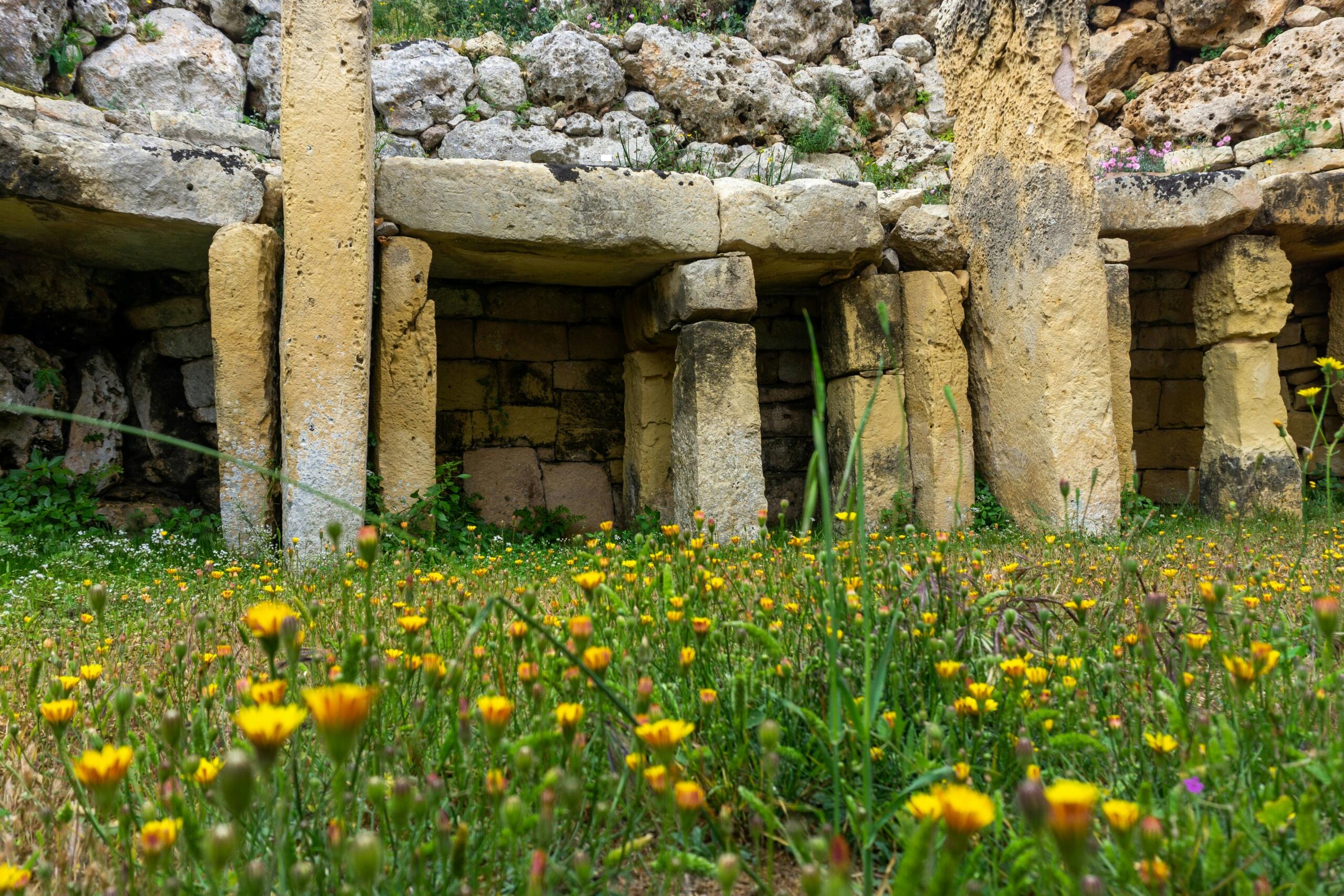
Around the first millennium BCE, the Phoenicians arrived and turned Malta into a trading outpost. Their influence was later absorbed by the Carthaginians, who controlled the islands until the Roman Republic captured Malta in 218 BCE during the Second Punic War. Under Roman rule, Malta became part of a wider Mediterranean network of trade and culture.
Roman Malta was relatively peaceful and prosperous. Villas, roads, and temples were built, and the island developed closer ties to Sicily and mainland Italy. One of the most famous episodes from this period was the shipwreck of Saint Paul around 60 CE, later commemorated for its enduring influence on Malta’s Christian tradition. Sites such as the Domvs Romana in Rabat still reflect this period of Roman presence in the Malta timeline.
Medieval Malta under Arab and Norman rule
After the decline of Roman authority, Malta passed through several hands before a major turning point in 870, when Arab forces from North Africa conquered the islands. This period became one of the most influential phases in the history of Malta, as the Arabs introduced new agricultural methods, irrigation systems, and aspects of language that would shape modern Maltese.
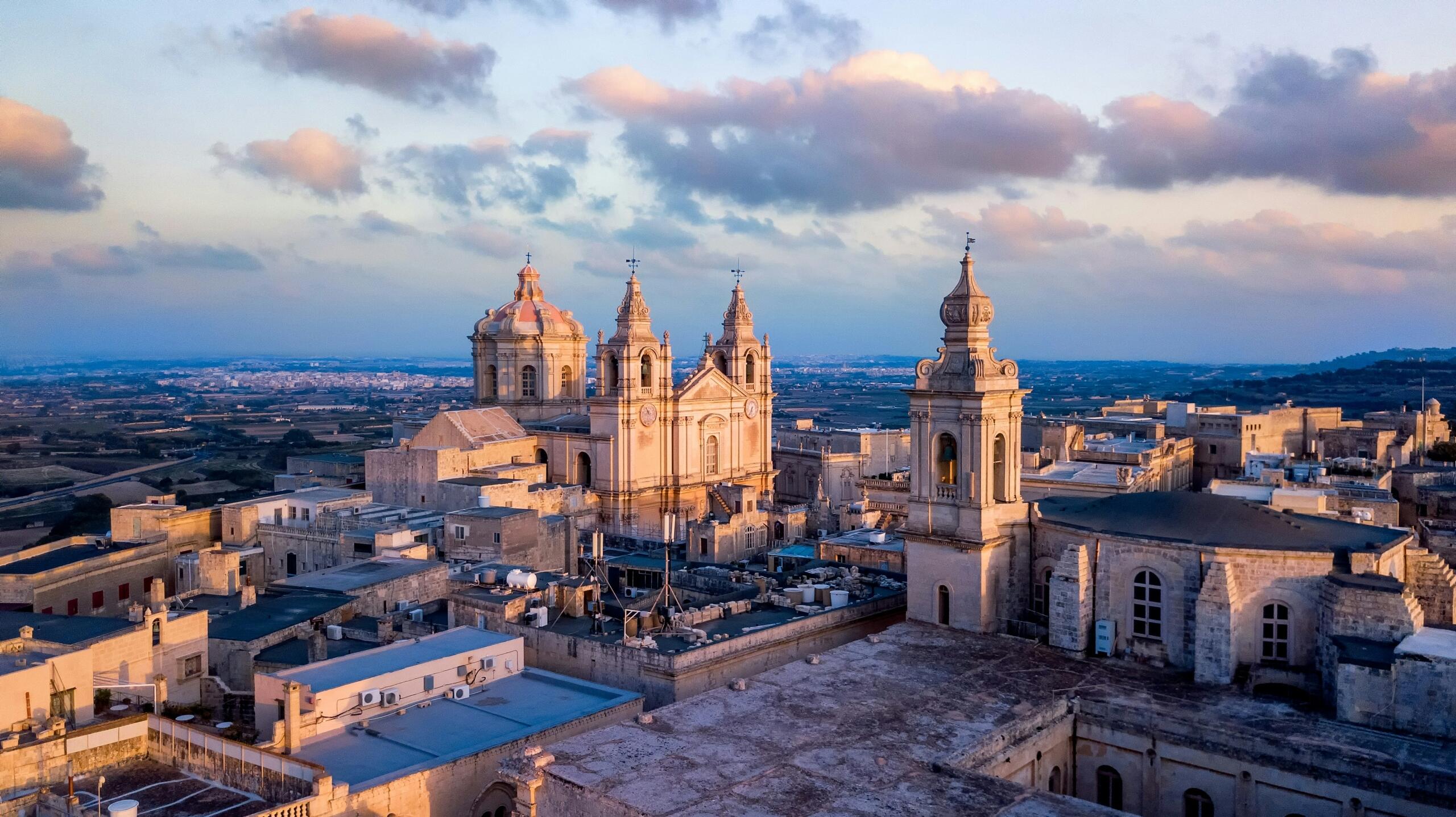
The Arab period also saw the rebuilding of the old Roman city into what became Mdina, the island’s fortified medieval capital. Narrow streets, defensive walls, and the city’s elevated position reflected the need for protection and control. Today, Mdina remains one of the best-preserved medieval sites in Malta.
In 1091, the Norman ruler Count Roger of Sicily brought Malta under Christian control. This event tied the island more closely to European political and religious structures. Over the following centuries, Malta was governed as part of the Kingdom of Sicily, later passing to the crowns of Aragon and Spain.
The Ġgantija temples in Gozo were built around 3600 BCE, making them older than both the Egyptian pyramids and Stonehenge.
During the late medieval period, the islands remained relatively quiet and rural. Mdina continued to serve as the administrative centre, while small coastal settlements supported agriculture and fishing. These centuries formed an important bridge between the classical world and the dramatic changes that would come with the arrival of the Knights of St John, marking another set of important historical events in the island’s long past.
The Knights of St John and the Great Siege
One of the most famous chapters in the Malta timeline began in 1530, when the Knights of St John were granted the islands by Emperor Charles V. The order, made up of noble knights from across Europe, turned Malta into a fortified stronghold at the edge of the Ottoman world. Their arrival is widely seen as one of the historical events that reshaped the island’s political and military role in the Mediterranean.
This new phase reached its peak in 1565 during the Great Siege, one of the most important battles in Maltese history, when the Ottoman Empire launched a major assault to capture the island. After months of fighting, the Knights and the Maltese population managed to repel the invasion. This defensive victory secured Malta’s place as a Christian stronghold and elevated the reputation of the order across Europe.
In the years that followed, the Knights founded a new fortified capital: Valletta. Built after the siege, the city was designed as a symbol of strength and order. Its streets, palaces, and churches reflected the wealth and influence of the order, and today Valletta is a UNESCO World Heritage site. It remains one of the most visible landmarks in the history timeline, representing the architectural and cultural legacy of the Knights.
Malta under British rule
Another major turning point in the history of Malta came at the end of the eighteenth century. In 1798, Napoleon’s forces captured the islands on their way to Egypt, ending the rule of the Knights.
French control was short-lived, as Maltese rebels, supported by the British, forced the French garrison to surrender in 1800. This moment marked the beginning of more than 150 years of British influence.
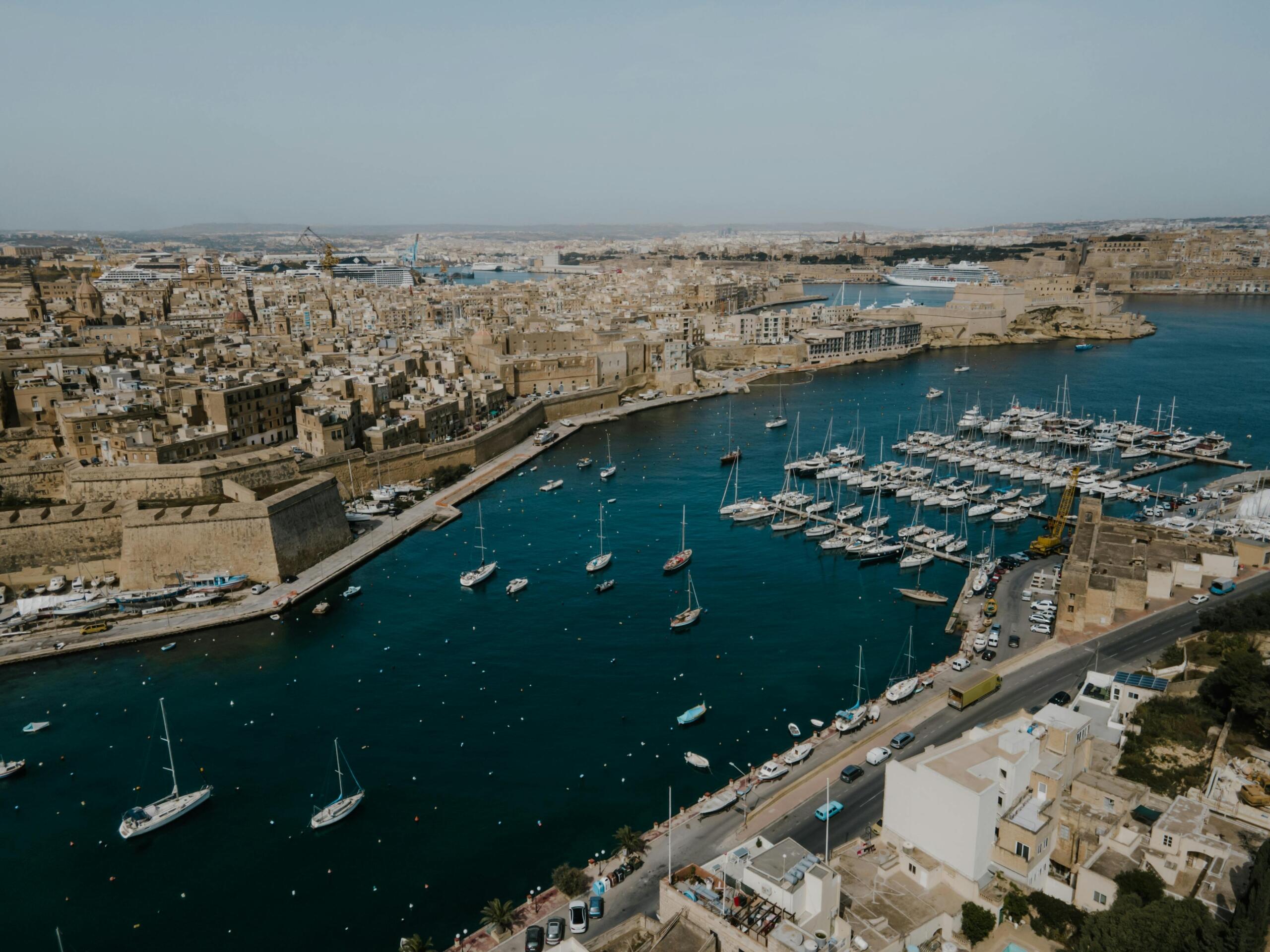
Malta officially became a British crown colony in 1814 after the Treaty of Paris. Under British rule, the island developed into an important naval base in the Mediterranean. The Grand Harbour became a centre for ship repair, trade, and military operations, bringing new jobs and infrastructure to the islands. This period also introduced British legal and administrative systems, which shaped many aspects of modern Maltese society.
The harbour area around Valletta and the Three Cities became the heart of this colonial economy. Dockyards, warehouses, and naval facilities transformed the landscape and daily life. These developments became another set of important events in the Maltese timeline, as Malta’s role shifted from a knightly fortress to a key British naval station.
Malta in the First World War
During the early twentieth century, the islands once again became central to Mediterranean strategy. As part of the British Empire, Malta served as a key naval base and supply point. In Maltese history, the First World War stands out as one of the historical events that reshaped the island’s role on the international stage.
Throughout the conflict, Malta’s harbours supported Allied fleets moving between Gibraltar and the eastern Mediterranean. The island also became a major medical centre for wounded soldiers evacuated from fronts such as Gallipoli. Thousands of injured troops were treated in hospitals set up in barracks, schools, and public buildings, earning Malta the nickname “the Nurse of the Mediterranean”.
Military cemeteries and former hospital sites across the island still reflect this period. These locations form part of the broader history of Malta, reminding visitors of the humanitarian role Malta played during the war and its place among the major events in history.
Malta in the Second World War
The Second World War became one of the most dramatic periods in Maltas history. Because of its position between Italy and North Africa, the island played a crucial strategic role in the Mediterranean conflict.
Axis forces repeatedly attacked Malta in an effort to prevent Allied aircraft and submarines from disrupting their supply routes. These years stand out as one of the defining chapters in the island’s past, marked by both military leadership and extraordinary civilian resilience, with notable people leading Malta through it.
Malta has been ruled by Phoenicians, Carthaginians, Romans, Byzantines, Arabs, Normans, the Aragonese and Spanish Crown, the Knights of St John, the French, and the British before becoming an independent in 1964 and a republic in 1974.
Between 1940 and 1942, Malta endured a prolonged siege marked by constant bombing, severe shortages, and widespread destruction. Civilians spent long hours in shelters, and food was tightly rationed. Entire neighbourhoods were damaged, and vital infrastructure such as docks, churches, and homes suffered repeated attacks.
Despite these hardships, the population continued to support the war effort, maintaining morale and assisting civil defence operations. This resilience became one of the defining chapters in Maltese history, shaping the island’s national identity.
In 1942, King George VI awarded the George Cross to the entire population of Malta in recognition of their courage. This honour remains on the Maltese flag today, serving as a permanent symbol of collective bravery. Sites such as the Upper Barrakka Gardens and surviving air raid shelters stand as reminders of this period in history.
Independence and modern Malta
After the devastation of World War II, Malta entered a new phase. Political debates about the island’s future grew stronger, and negotiations with Britain eventually led to independence in 1964. This moment is widely recognised as one of the most historical events of the twentieth century for Malta.
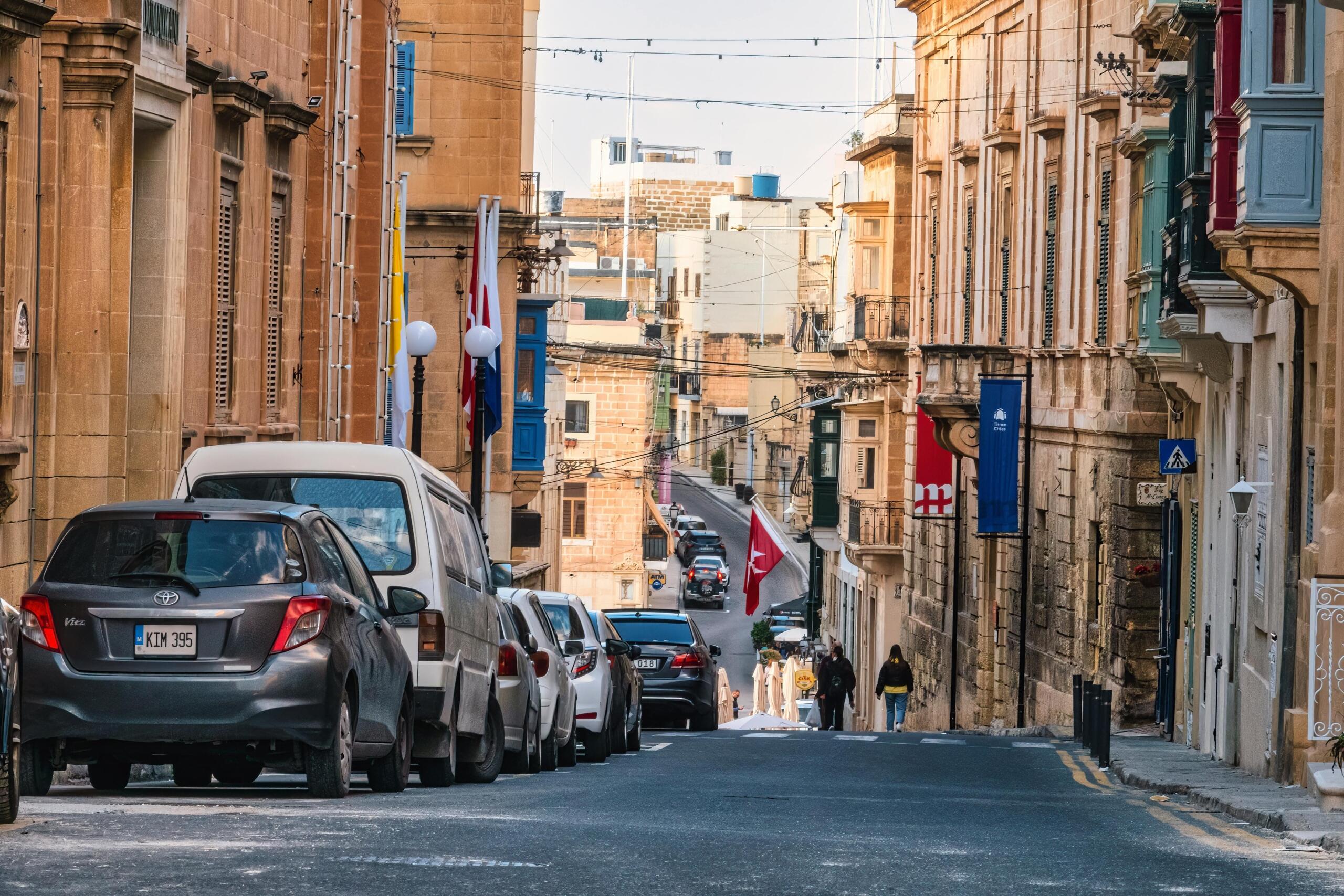
A decade later, in 1974, Malta became a republic, ending the last formal ties with the British monarchy. These changes marked a new stage in the history of Malta, as the country began to shape its own political and economic direction. Over the following decades, Malta developed its tourism, financial services, and maritime industries.
Another major milestone came in 2004, when Malta joined the European Union, and switched to euro currency four years later (2008). This step strengthened the island’s links with the rest of Europe and opened new economic opportunities. Modern landmarks, including the Parliament building in Valletta, reflect this period of renewal and independence.
Why the history of Malta still matters today
The history of Malta shows how a small group of islands played a significant role in Mediterranean affairs for thousands of years. From prehistoric temple builders to modern EU membership, each era added new layers to the island’s culture, language, and political identity. These great events in the history explain why Malta today reflects influences from Europe, North Africa, and the wider Mediterranean.
Understanding these important events also highlights the value of preserving historic sites such as temples, fortifications, and historic cities. Together, they form a living record of the Maltese history, connecting ancient traditions with the modern nation.
📊 Poll: Which period of Maltese history interests you most?
References
- UNESCO World Heritage Centre. Malta – World Heritage Sites. UNESCO, https://whc.unesco.org/en/statesparties/mt
- “Malta.” Encyclopaedia Britannica, https://www.britannica.com/place/Malta
- Heritage Malta. Malta through the Ages. Heritage Malta, https://heritagemalta.mt/
Summarise with AI:
Did you like this article? Leave a rating!

 Loading...