
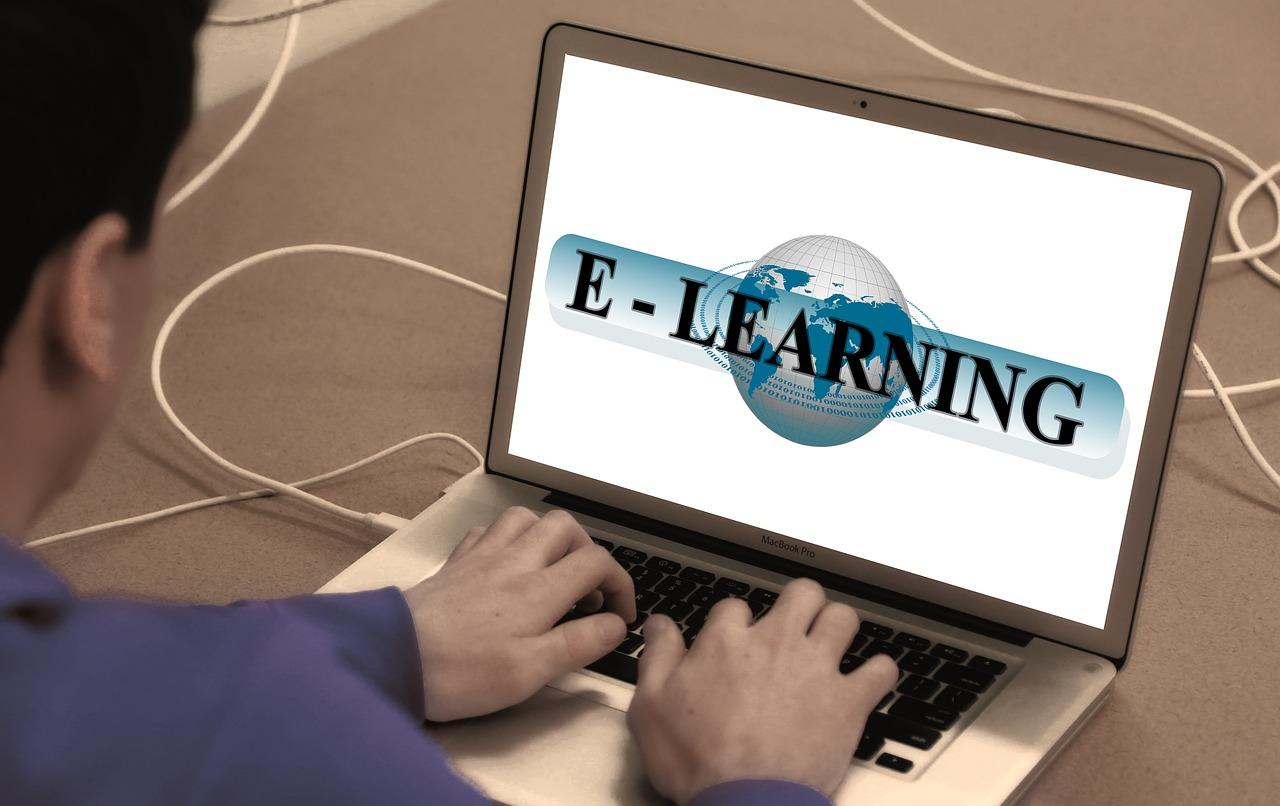
Learn Dutch Online
Are You Looking For An Online Dutch Course To Improve Your Level Of Dutch? Dutch is a great language to learn, even if it does feel as though it’s sometimes overlooked in comparison to other languages such as Spanish or French. For an English native speaker, learning Dutch might actually be easier than learning Spanish[…]
11 June 2025∙7 minutes to read
Learning Dutch Through Pronunciation, Structure and Practice
Dutch is a practical and interesting language to learn, whether you are starting from the basics, refreshing previous knowledge, preparing for an exam or learning for travel, work, study or personal interest. This category brings together guidance on Dutch pronunciation, grammar, vocabulary, speaking practice and cultural context.
For learners in Malta, Dutch can be useful for communicating with Dutch-speaking communities, travelling to the Netherlands or Belgium, studying abroad or building another European language skill. If you want more personal support, you can compare Dutch tutors in Malta, or choose online Dutch lessons when learning from home suits your routine better.
Dutch starts with sound and sentence rhythm
Dutch can feel approachable in some ways, especially for learners who already know English or another Germanic language. Some words may look familiar, and certain patterns become recognisable quite early. At the same time, pronunciation, word order and everyday expressions still need regular practice.
For learners in Malta, Dutch can be useful for travel, work, study, relocation or communication with Dutch-speaking friends, colleagues or clients. If pronunciation or speaking confidence is the first challenge, Dutch tutors in Sliema can help learners build the basics more steadily.
What makes Dutch interesting to learn?
Dutch is spoken in the Netherlands, Flanders in Belgium and several Dutch-speaking communities around the world. It gives learners access to another European language, as well as Dutch and Flemish culture, media, travel experiences and study opportunities.
The language has a clear structure, but it also includes details that need attention. Word order, articles, separable verbs and pronunciation can all feel unfamiliar at first. For learners who want to understand how these pieces fit together, Dutch lessons in Birkirkara can make grammar and speaking practice feel more organised.
What do Dutch lessons usually cover?
Dutch lessons can be adapted to different levels and goals. A beginner may start with greetings, pronunciation, basic sentence patterns and everyday vocabulary. A more advanced learner may focus on conversation, listening, writing, exam preparation or professional communication.
Dutch study may include:
- basic vocabulary, greetings and useful everyday phrases
- Dutch pronunciation, rhythm and listening practice
- grammar, word order, articles and verb forms
- conversation practice for travel, work or daily life
- reading and writing exercises
- cultural context from the Netherlands and Flanders
A structured approach helps learners avoid jumping between too many topics at once. If the goal is to build a stronger foundation before moving into conversation, Dutch tutors in St. Paul’s Bay can help set a clearer learning path.
Why Dutch pronunciation can feel challenging
Pronunciation is one of the areas where Dutch can surprise new learners. Some sounds may not exist in English or Maltese, and the rhythm of the language can take time to recognise. Learners may understand a written word, but still need practice saying it naturally.
Listening regularly can make a big difference. Short recordings, simple conversations, songs, videos and repeated phrases all help the ear become more familiar with Dutch sounds. If a learner wants feedback on pronunciation and spoken confidence, Dutch tuition in Mosta can help turn listening practice into clearer speech.
How to keep learning Dutch consistently
Dutch learning works best with regular exposure. Short, focused practice sessions can help learners remember vocabulary, recognise sentence patterns and become more comfortable using the language in real situations.
It helps to connect Dutch with a clear personal goal: travel, relocation, work, study, family, culture, conversation or exam preparation. Once that goal is clear, Dutch tutors in Qormi can help learners focus on the next useful step instead of trying to learn everything at once.