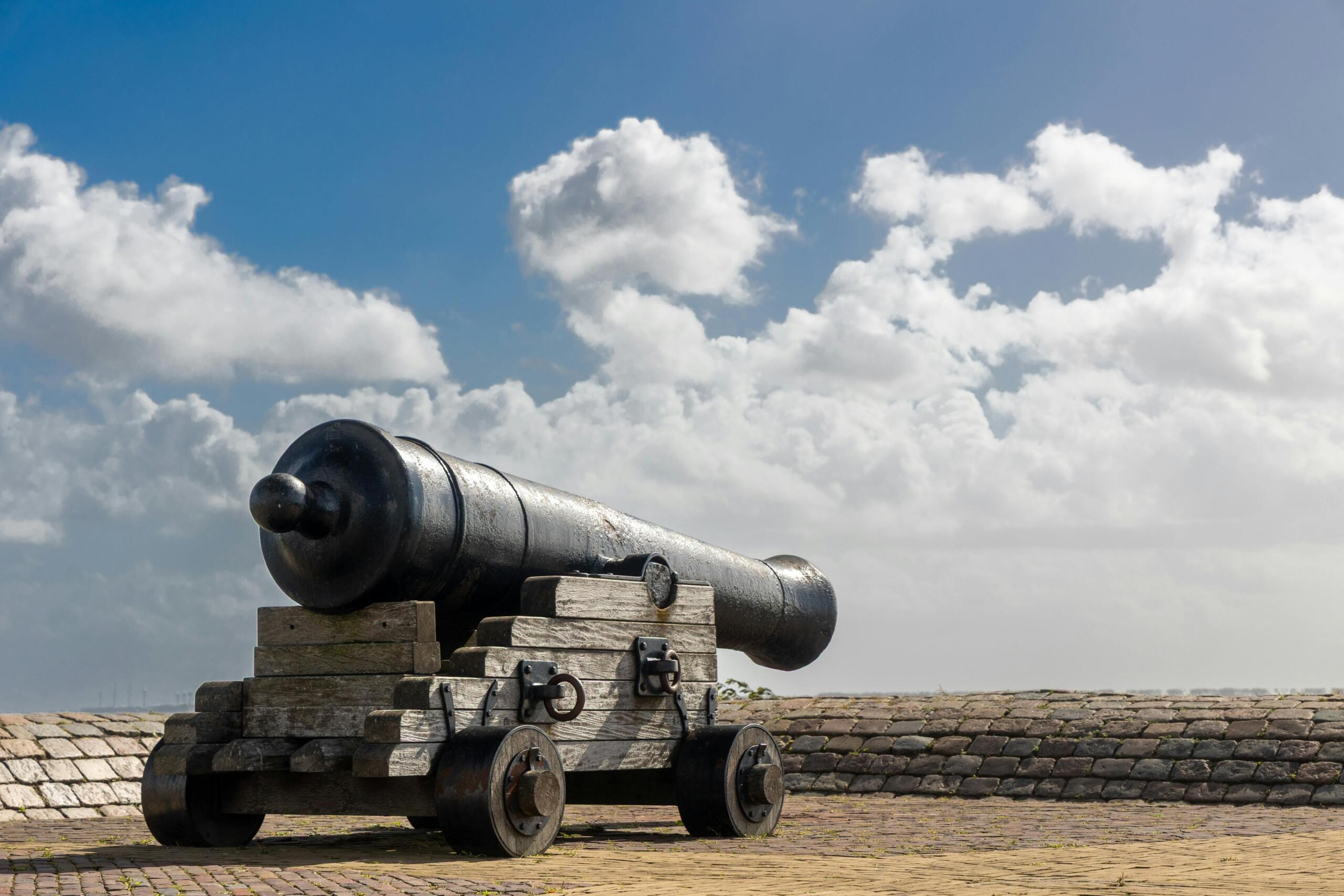

Malta of gold, Malta of silver, Malta of precious metal. We shall never take you. No, not even if you were as soft as a gourd. Not even if you were only protected by an onion skin!
Attributed to an unknown Maltese soldier after the Great Siege (1565)
Because of its central position in the Mediterranean, Malta has long stood at the crossroads of empires. Control of the islands meant control of important sea routes between Europe, North Africa, and the Near East. For this reason, many of the most significant battles were not just local conflicts, but part of larger struggles between powerful states.
Across centuries, invasions, sieges, and uprisings often determined who ruled the islands. From ancient conquests to modern global conflicts, these turning points influenced Malta’s culture, architecture, and political identity. This article follows a chronological path through the key battles in Maltese history, highlighting the conflicts that changed the island’s direction and left a lasting legacy.
218 BCE
Roman forces capture Malta from the Carthaginians during the Second Punic War, bringing the islands under Roman control
870
Arab conquest of Malta marks a major cultural and political shift
1091
Norman forces from Sicily take control of Malta, reconnecting the islands to European Christian rule
1565
The Great Siege of Malta ends in a defensive victory for the Knights of St John and the Maltese, stopping Ottoman expansion in the central Mediterranean
1798
French forces under Napoleon capture Malta, ending the rule of the Knights
1798-1800
Maltese uprising and British-supported siege of Valletta lead to French surrender and the start of British rule
1940-1942
The Siege of Malta during World War II brings heavy bombing and shortages, becoming one of the most decisive wars that shaped Malta
1942
Malta is awarded the George Cross for the courage of its population during the siege
1970s
British military withdrawal and Malta’s shift to neutrality mark the end of its long role as a strategic fortress in Mediterranean conflicts


Early conflicts that shaped Malta (Antiquity to medieval era)
The earliest wars that shaped Malta were tied to the great empires of the ancient Mediterranean. Because of its strategic position between Sicily and North Africa, the island was often drawn into wider conflicts between rival powers.
One of the first major turning points came in 218 BCE, during the Second Punic War. Roman forces captured Malta from the Carthaginians, bringing the island under Roman control. This key event in the history of Malta is often counted among the earliest key battles, as it connected the islands more closely to Roman trade networks, culture, and administration. Roman rule lasted for several centuries and left behind villas, roads, and religious traditions.
The Great Siege of 1565 lasted nearly four months and is still considered one of the most important sieges in European history.
Another major change came in 870, when Arab forces from North Africa conquered Malta. Although the exact details of the fighting are not well recorded, the conquest marked a decisive break from the Byzantine world. The Arabs introduced new agricultural techniques, irrigation systems, and linguistic influences that would shape Maltese culture for centuries. This conquest stands among the most important battles, not only for its military outcome but also for its long-term cultural impact.
In 1091, the Normans from Sicily brought the islands back under Christian rule. This event linked Malta once again to European political structures and is often listed among the key battles of the medieval period. It marked the beginning of centuries of rule by European powers, setting the stage for the arrival of the Knights of St John in the sixteenth century.
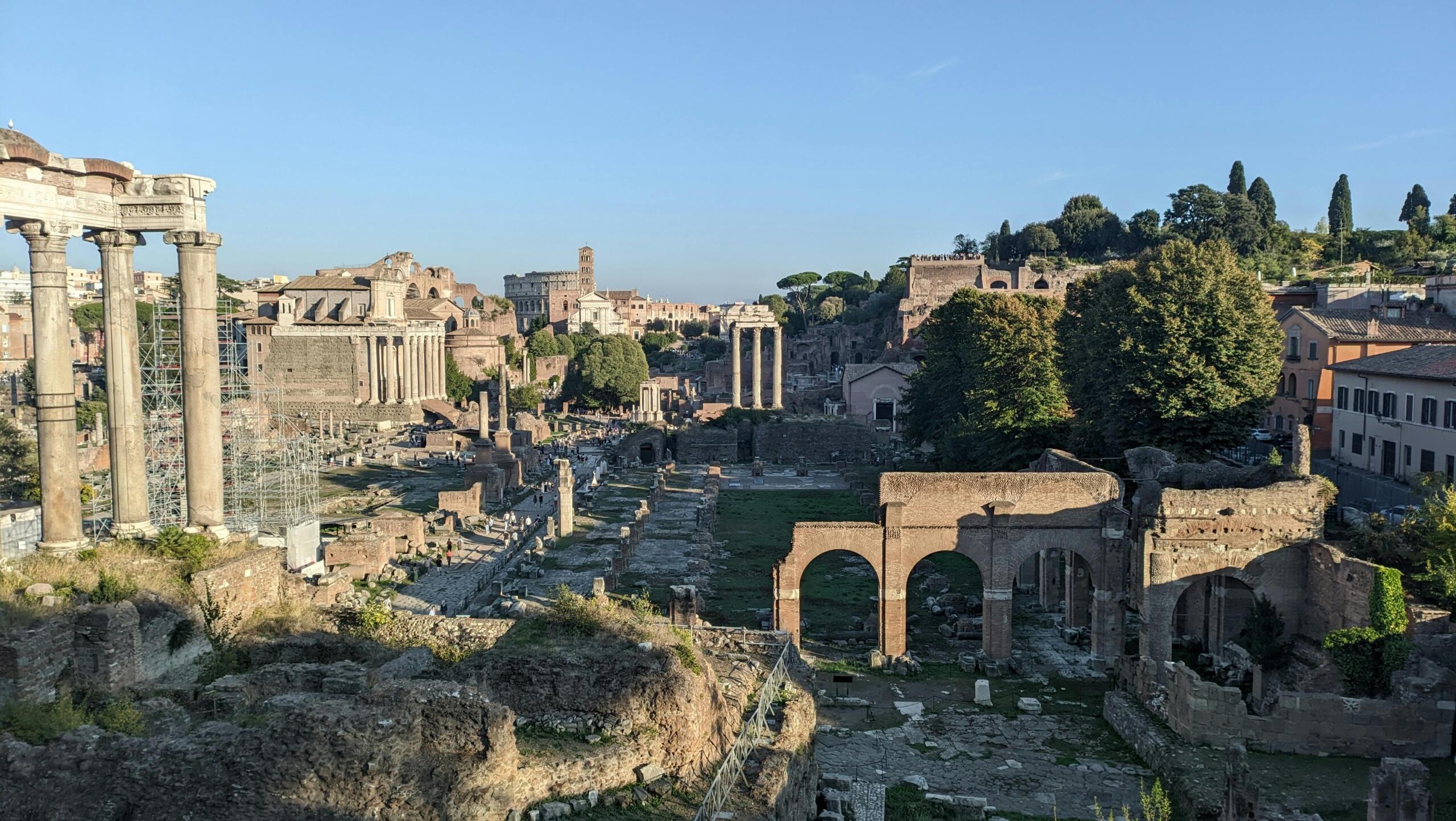
The Great Siege of Malta (1565) and the struggle with the Ottoman Empire
Among all the key battles throughout Malta's history, none is more famous than the Great Siege of Malta. At the time, the islands were ruled by the Knights of St John, a military order that had turned Malta into a fortified base on the edge of the Ottoman sphere of influence. For the Ottoman Empire, capturing Malta would remove a major obstacle to its naval dominance in the central Mediterranean.
In 1565, a large Ottoman force landed on the island and began a siege against the main strongholds of the Knights. Forts and coastal defences were attacked repeatedly, and the fighting lasted for several months.
The Knights, supported by Maltese civilians and later by reinforcements from Sicily, managed to hold their positions despite heavy losses. The Ottoman forces eventually withdrew, marking a decisive defensive victory.
months
The outcome of the Great Siege had consequences far beyond the island. It stopped Ottoman expansion in this part of the Mediterranean and boosted the reputation of the Knights across Europe. The victory also led to the founding of a new fortified capital, Valletta, which became a symbol of resistance and order.
Because of its scale and long-term impact, the Great Siege is widely considered the most important of all battles. It secured the islands as a Christian stronghold and reshaped their political and architectural future, making it one of the most decisive conflicts that shaped Malta.
The French invasion and Maltese uprising (1798–1800)
Another of the major wars that shaped Malta took place at the end of the eighteenth century. In 1798, Napoleon Bonaparte captured the islands on his way to Egypt, ending more than two centuries of rule by the Knights of St John. The French occupation began quickly, but it also provoked strong resistance from the local population.
Within months, the Maltese people rose up against French rule. Local forces, supported by the British, laid siege to the French garrison in Valletta. This conflict became one of the most important battles in Maltese history, as it marked the end of the Knights’ era and the beginning of British influence on the island.
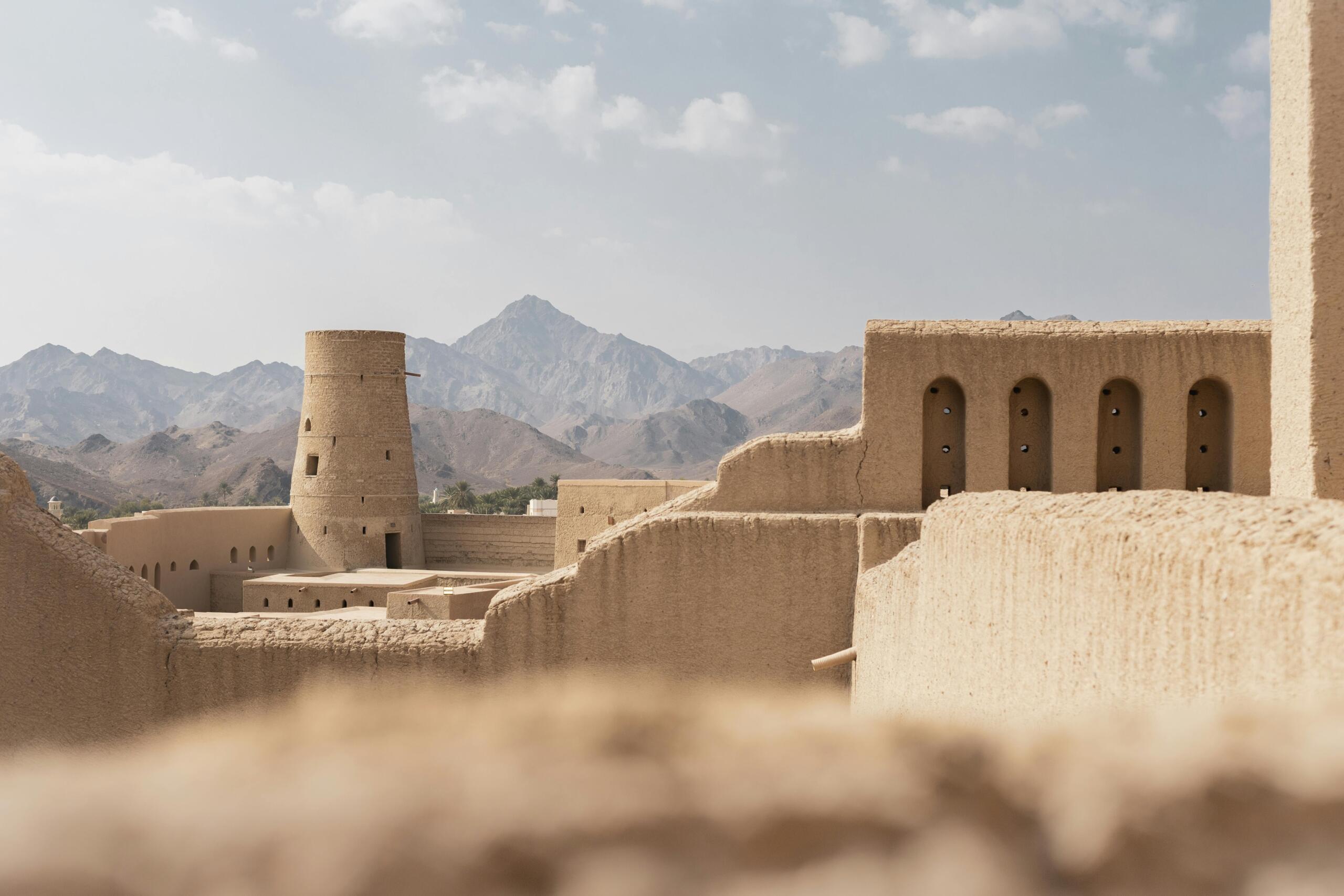
The French forces surrendered in 1800. The British took control of Malta, first as a protectorate and later as a formal colony. This change had long-term consequences, shaping Malta’s economy, political system, and strategic role for more than a century. For this reason, the uprising and siege of Valletta stand among the most decisive battles Malta and remain central to the story of the island’s transformation.
Malta in World War I and World War II
The twentieth century brought two global conflicts that further defined the wars that shaped Malta. Although the islands were not the site of large land battles in the same way as other European regions, their strategic position made them central to Allied operations in both world wars.
During the First World War, Malta served mainly as a naval base and medical centre. Its harbours supported Allied fleets, and thousands of wounded soldiers were treated in hospitals across the island. While this period did not feature major land battles, it reinforced the island’s importance as a strategic stronghold in the Mediterranean.
During World War II, Malta became one of the most heavily bombed places in the world despite its small size.
The Second World War had a far more direct impact. Between 1940 and 1942, Malta endured a prolonged siege as Axis forces tried to neutralise the island. Constant bombing, shortages, and destruction made this period one of the most dramatic chapters among the key battles in Maltese history. The resilience of the population became a symbol of resistance.
In 1942, King George VI awarded the George Cross to the people of Malta in recognition of their courage. The siege of Malta left a lasting imprint on the island’s identity and remains one of the most significant military episodes in its past.
The Cold War era and Malta’s strategic role
After the Second World War, Malta's military importance did not disappear. Instead, it entered a new phase during the Cold War. Although there were no major battles during this period, the island remained strategically valuable because of its central Mediterranean location.
For decades, British forces continued to use Malta as a naval base. The presence of foreign troops and military facilities shaped the economy and daily life on the islands. Global tensions during this phase influenced Malta's political direction.
In the 1970s, Prime Minister Dom Mintoff pursued a policy of neutrality and non-alignment. British military forces withdrew, and Malta gradually moved away from its traditional role as a military base. This shift marked one of the final turning points, as the islands transitioned from a strategic fortress to an independent state focused on diplomacy, trade, and tourism.
Why these battles in Maltese history still matter today
These battles throughout Malta's long history did more than change rulers or borders. They shaped the island’s cities, fortifications, and national identity. From ancient conquests to the global wars in the modern era, each conflict left visible marks on the landscape and on the country’s political development.
The legacy of these battles can still be seen in fortified harbours, historic cities, and memorial sites across the islands. Valletta, the Three Cities, and numerous coastal forts all reflect centuries of defence and conflict. Even the memory of the Great Siege of Malta (1565) continues to play a role in cultural traditions and historical commemorations.
Together, these turning points explain why Malta developed as a fortified stronghold, a naval base, and eventually a neutral and independent state. Understanding these conflicts helps place the island’s modern identity in its historical context.
📊 Poll: Which period of Maltese wartime history do you find most impressive?
References
- “Siege of Malta (1565).” Encyclopaedia Britannica, https://www.britannica.com/event/Siege-of-Malta
- Imperial War Museums. How Malta Survived the Second World War. Imperial War Museums, https://www.iwm.org.uk/history/how-malta-survived-the-second-world-war
- Heritage Malta. Military History of the Maltese Islands. Heritage Malta, https://heritagemalta.mt/
Summarise with AI:
Did you like this article? Leave a rating!

 Loading...