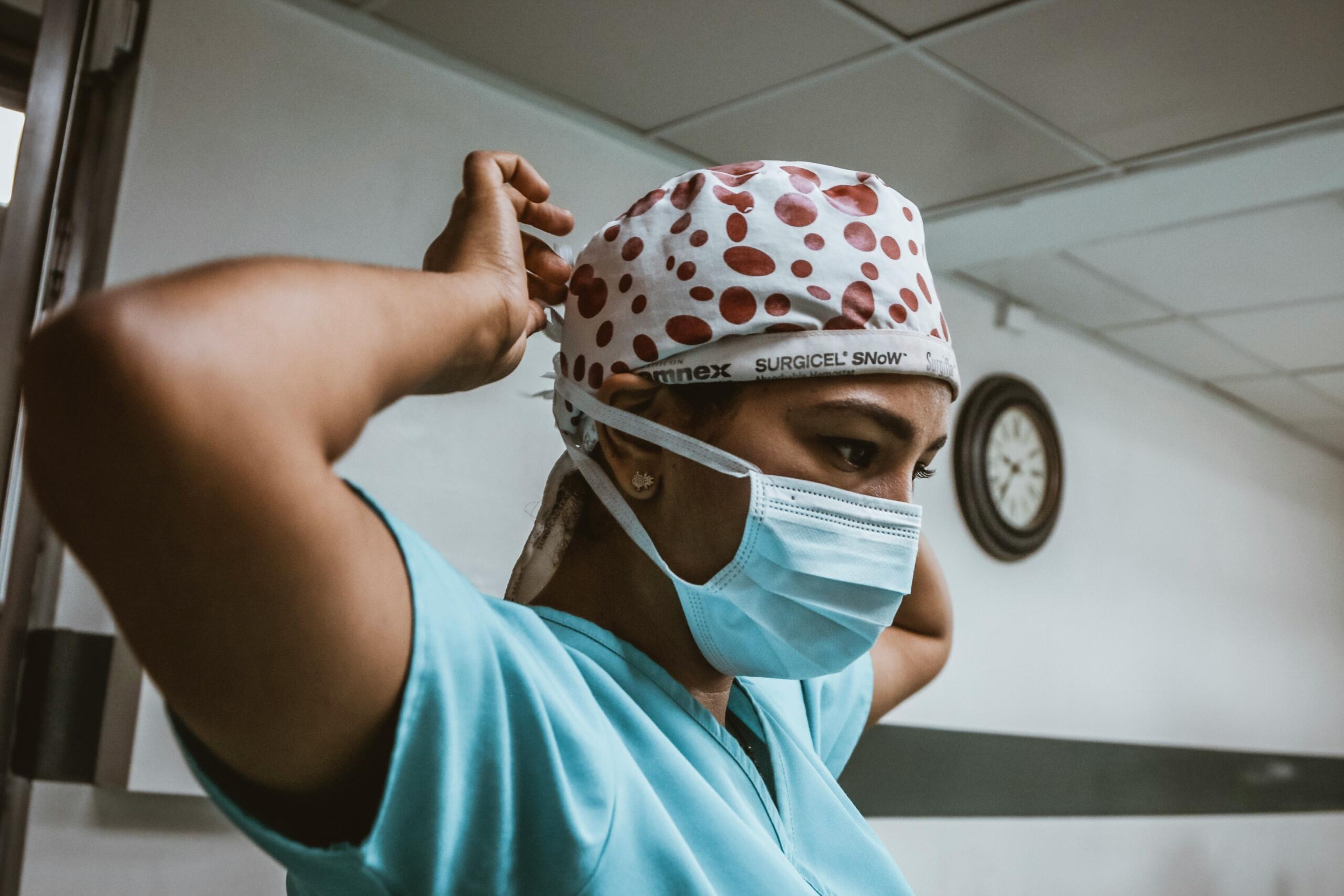

One of the most important decisions medical students will face at some point in their careers is choosing a specialisation. Whether it involves pursuing surgery, paediatrics, internal medicine, or general practice, this choice can shape an entire medical career. It is a decision that requires careful consideration of personal interests, aptitudes, lifestyle preferences, and the needs of the healthcare system.
Every speciality comes with its own rewards and challenges. Surgeons, for example, may value the satisfaction of resolving acute medical problems through procedures, while paediatricians often find fulfilment in caring for children and supporting families through key stages of development.
Whether you are still considering a career in medicine or are already immersed in your medical studies, this engaging quiz can help you explore which speciality might suit you best.
Quiz
Quiz :





Exploring Beyond: A Universe of Medical Specialities
After completing the quiz, you may have noticed that certain areas of medicine resonate more strongly with you. However, the world of medical specialities is broad and full of possibilities, many of which are not included in the quiz itself. Below are a few examples of how your answers might also relate to other fields that share similar characteristics and professional interests.
If your answers reflected a preference for direct action and tangible results (similar to Surgery):
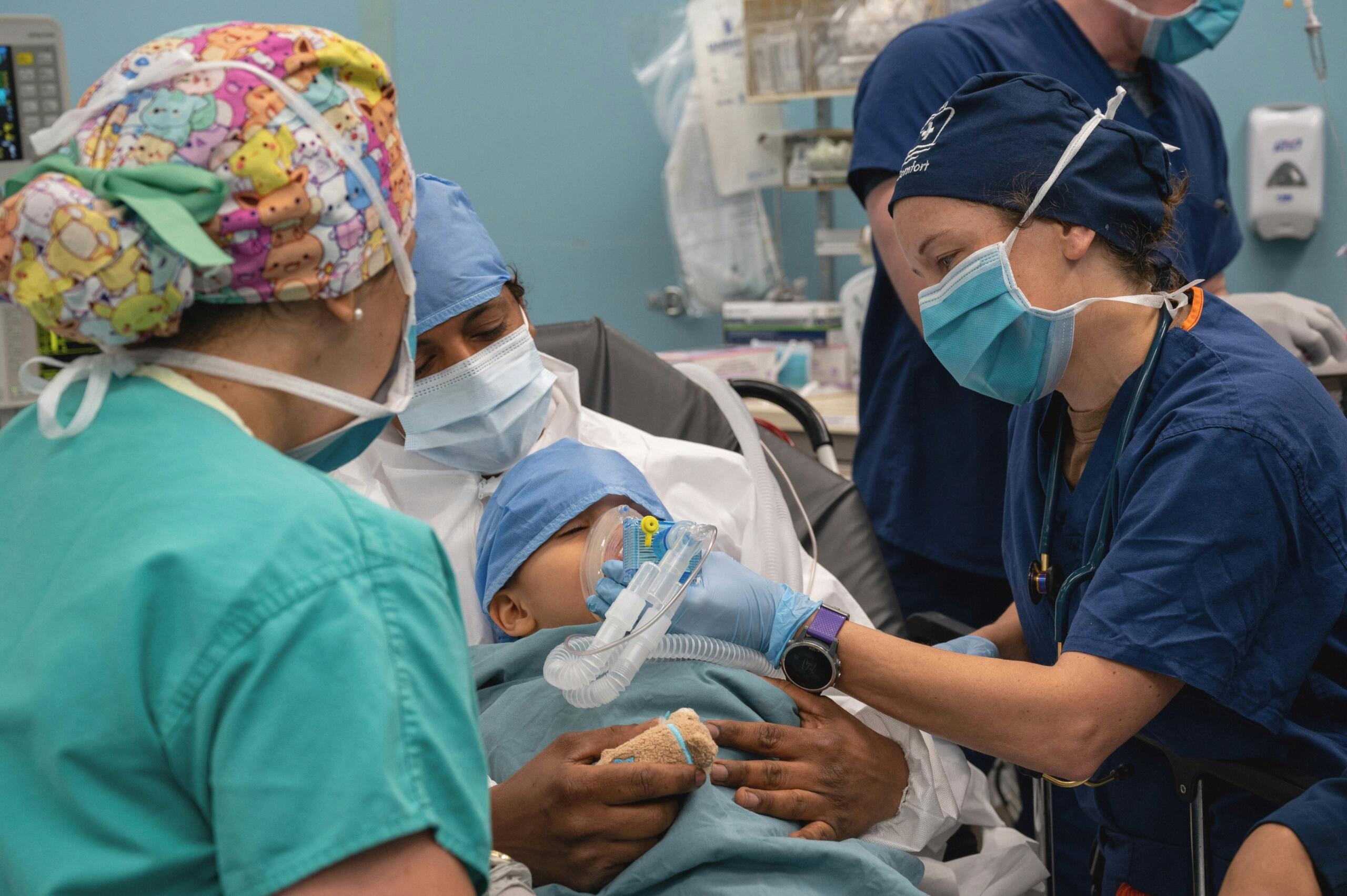
Emergency Medicine: here, every day brings something new and urgent, which could satisfy your desire for a dynamic, high-energy work environment. It's a speciality that demands speed, efficiency, and the ability to make critical decisions under pressure.
If your answers suggest an interest in the ongoing care and long-term well-being of patients (as in Internal Medicine):

Physical Medicine and Rehabilitation: This area focuses on helping patients regain maximum function after illness or injury. If you enjoy the idea of working closely with patients over time and watching their progress, this field can offer you similar satisfactions.
If you showed a particular interest in aspects of patient care and communication (such as in Paediatrics or Psychiatry):

Dermatology: combines diagnosis and treatment of visible conditions, which requires effective and empathetic communication, valuable characteristics in paediatrics and psychiatry. It also offers the opportunity to work with patients of all ages.
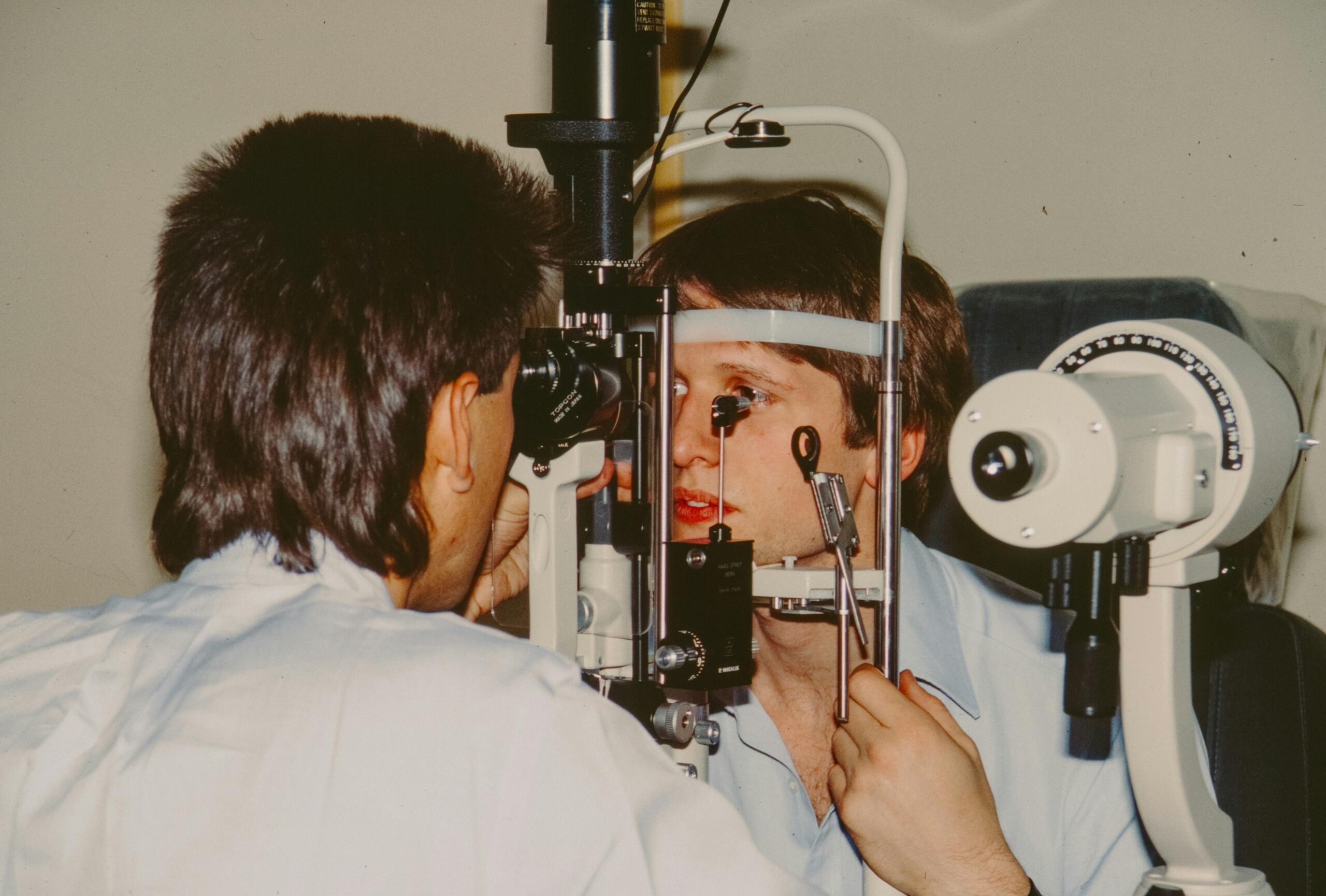
Ophthalmology: requires good communication to explain procedures and treatments. In addition, it allows establishing long-term relationships with patients, observing changes and progress over time.
If your answers reflect a passion for innovation and research (as in Medical Research):
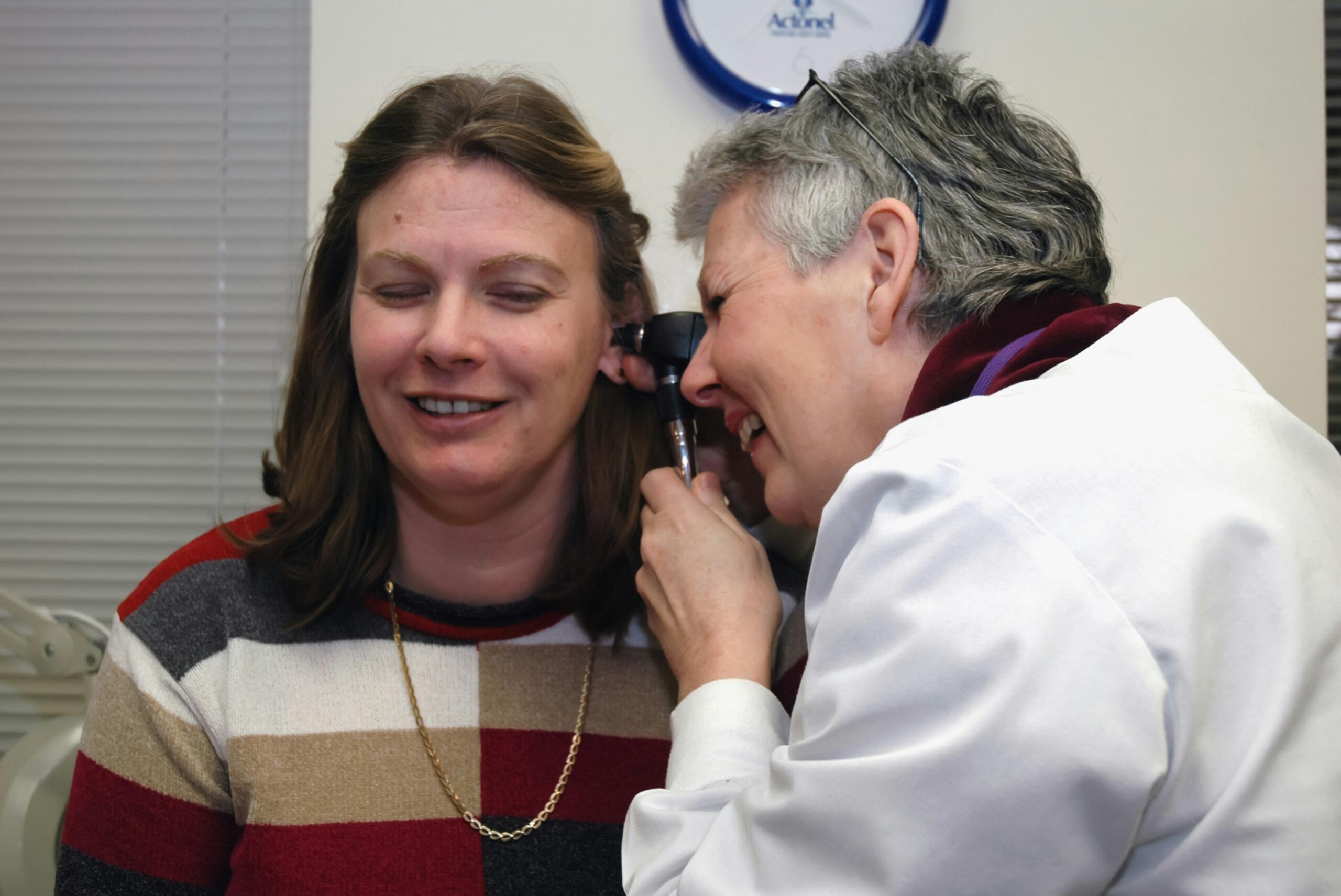
Otolaryngology (ENT): This speciality offers opportunities to develop innovative surgical techniques, particularly in reconstructive procedures. For those interested in advancing medical knowledge through clinical practice, it can be a rewarding area to explore.
Each of these additional specialities presents its own challenges and rewards and may align with the tendencies you displayed in your quiz answers. Choosing a speciality is only the beginning of a lifelong journey of learning and professional growth. Exploring different options can help you find the path that best matches your passions, abilities, and the contributions you hope to make within medicine.
Other Specialities to Consider:
- Anaesthesiology: focuses on the care of patients before, during, and after surgery, providing anesthesia and pain management. This speciality is fundamental in the surgical environment, ensuring patient comfort and safety.
- Neurology: focuses on disorders of the nervous system, including the brain, spinal cord, and peripheral nerves. Neurologists manage conditions such as epilepsy, Alzheimer’s disease, and stroke.
- Radiology: uses medical imaging techniques to diagnose and treat disease. Includes subspecialities such as diagnostic radiology, interventional radiology, and neuroradiology.
- Cardiology: specializes in the diagnosis and treatment of diseases of the heart and circulatory system. Cardiologists manage conditions such as coronary artery disease, heart failure, and arrhythmias.
- Gastroenterology: focuses on the digestive system and disorders affecting it. Gastroenterologists treat diseases such as inflammatory bowel disease, hepatitis, and gastrointestinal cancer.
- Endocrinology: treats disorders of the endocrine glands, such as diabetes, thyroid disorders, and metabolic diseases.
- Hematology: medical speciality concerned with the study and treatment of diseases of the blood and hematopoietic organs. It includes the management of anemias, coagulation disorders, and leukemias.
- Nephrology: focuses on diseases of the kidneys, including their structure, function, and treatment of conditions such as chronic kidney disease and hypertension.
- Oncology: the medical speciality devoted to the diagnosis, treatment, and follow-up of cancers. Oncologists treat solid tumors and hematologic cancers.
- Orthopaedics: specializes in the diagnosis and treatment of disorders of the musculoskeletal system, including bones, joints, ligaments, tendons, and muscles.
- Urology: deals with diseases of the urinary system in both sexes and the male reproductive system. Urologists manage conditions such as urinary tract infections, prostate problems, and urological cancers.
And many more specialities! If none of these quite convince you, we invite you to keep researching and exploring. Medicine is a vast and constantly evolving field, with emerging areas and specialized niches that may resonate with your unique interests and passions. Your ideal path awaits!
Factors to Consider When Choosing a Specialisation
It's crucial for medical students to explore various specialities through clinical rotations, shadowing experiences, and mentorship with practising physicians. Reflecting on personal strengths, weaknesses, and long-term goals can also help guide this decision.
Here are some key factors to keep in mind when choosing a medical speciality:
- Personal Interest: What areas of medicine are you passionate about? Enjoying your work plays a major role in long-term satisfaction and success in any medical speciality.
- Skills and Aptitudes: Consider your strengths and areas for improvement. Some specialities may align better with your clinical abilities, communication skills, or problem-solving style.
- Work-Life Balance: Different specialities involve different demands on time and lifestyle. Some require long hours, on-call shifts, or irregular schedules, while others offer more predictable working patterns.
- Patient Population: Think about the types of patients you prefer to work with. Some doctors enjoy working with children, others with adults or elderly patients. Many specialities focus on specific groups with particular healthcare needs.
- Career Opportunities: Research the job market and demand for various specialities in the location where you hope to practise. Consider factors such as availability of positions, earning potential, and career development opportunities.
- Procedures vs. Patient Care: Decide whether you are more drawn to hands-on procedures such as surgery or interventional radiology, or to patient-centred care fields such as general practice or psychiatry.
The Journey to Becoming a Doctor
Becoming a doctor is not simply about entering a profession. It involves embracing a vocation rooted in service, empathy, and a commitment to improving the lives of others. Through clinical placements, hospital rotations, and hands-on experience in healthcare settings, students develop a deeper understanding of the realities and challenges of modern medical practice.
In Malta, many aspiring doctors gain practical experience in institutions such as Mater Dei Hospital, the country’s main teaching hospital, as well as specialised centres like Mount Carmel Hospital and a network of community health centres across the islands. Students may also encounter a broad range of clinical cases at Gozo General Hospital.
The path to becoming a doctor is demanding and requires dedication through medical school, postgraduate training, and continued professional development. If you are considering this journey, we hope this quiz has offered useful insight into the wide range of medical specialities available.
So which medical speciality will you choose?
Summarise with AI:
Did you like this article? Leave a rating!

 Loading...