

When people think about learning French, they often picture Paris or Bordeaux. But studying in mainland France is not the only path to fluency. For many international students, Malta has become a practical and increasingly popular alternative.
While the island is best known for its Mediterranean lifestyle and English-speaking environment, it has also developed into a strong international education hub. Thousands of students come to Malta each year to study languages, making it a natural setting for French language learning within a diverse and supportive community.


Why Malta is a Top Choice for French Students
Malta has gradually established itself as a practical study location, driven by its unique ability to offer a high-quality academic experience without the high-pressure environment of larger European capitals. As a multilingual nation where English and Maltese are spoken daily, the island provides a soft landing for international students, allowing them to focus on mastering French while navigating daily life with ease.
international students annually? You won't just be learning French; you'll be practicing it with a global network of peers who are in the same boat as you.
Whether you’re a Maltese student preparing for exams, an expat building new skills, or studying abroad temporarily, Malta offers a compact environment where learning can more easily fit into daily life. While traffic can be challenging at peak times, distances remain short, which makes it possible to combine lessons, self-study, and social activities within the same day.
With institutions such as the Alliance Française de Malte and university-level language programmes, learners have access to structured pathways that support long-term progress.
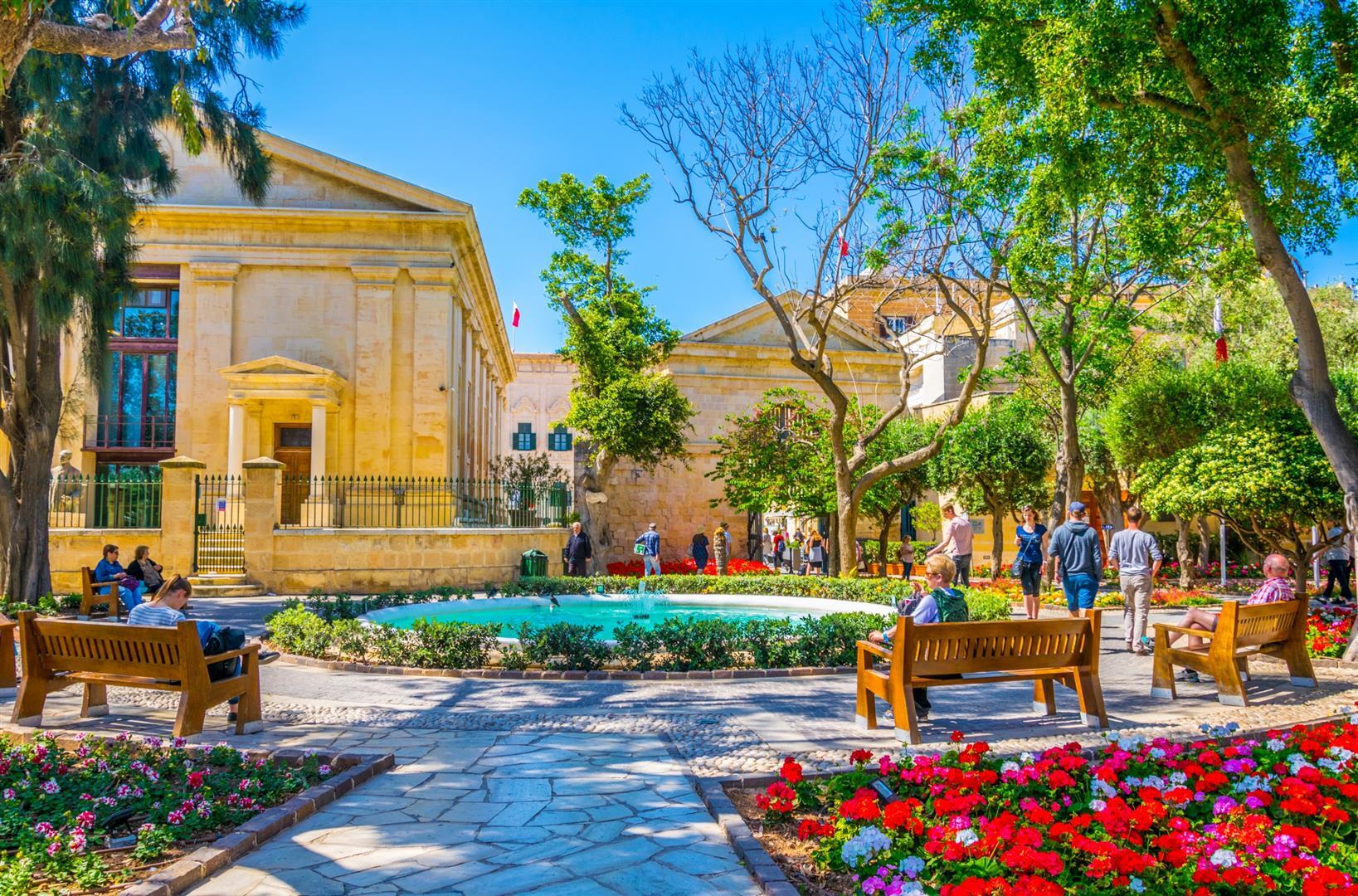
Why Malta Makes Practical Sense for French Learners
Why are more international students choosing Malta as a base to learn French? The answer is not about competing with larger capitals. It is about practicality.
Malta offers a structured but manageable learning environment. Class sizes are often smaller, teachers are accessible, and programs are designed with international students in mind. This makes communication clearer and progression easier to track. For many learners, that balance helps maintain motivation over time.
Daily life also plays an important role in French language learning. Malta’s compact layout means shorter commutes and simpler routines. When you are not spending hours navigating transport systems, it becomes easier to stay consistent with your studies.
Consistency often depends more on routine than on motivation.
Cost is part of the decision as well. While Malta is not the cheapest destination in Europe, it is generally considered more affordable than many major capitals. This makes longer study periods more realistic, and longer stays usually lead to stronger progress.
Malta’s public transport system also supports students. Those registered as residents can apply for a personalized Tallinja Card, which allows free bus travel across the island. This makes moving between accommodation, school, and social activities straightforward and cost-effective.
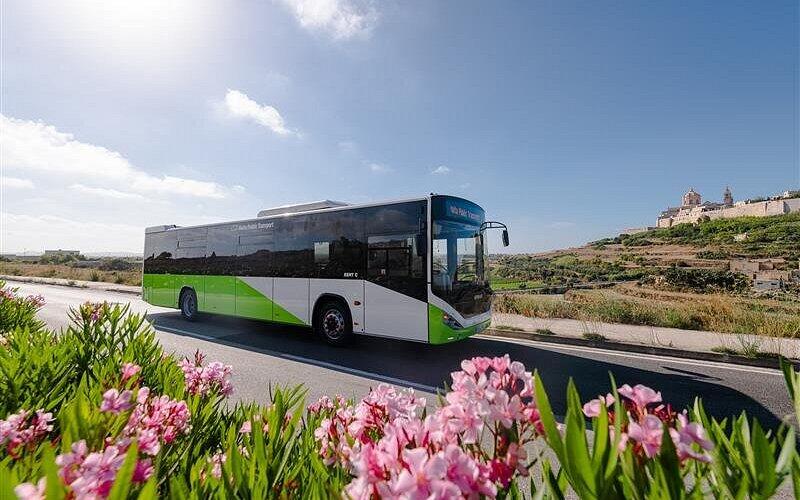
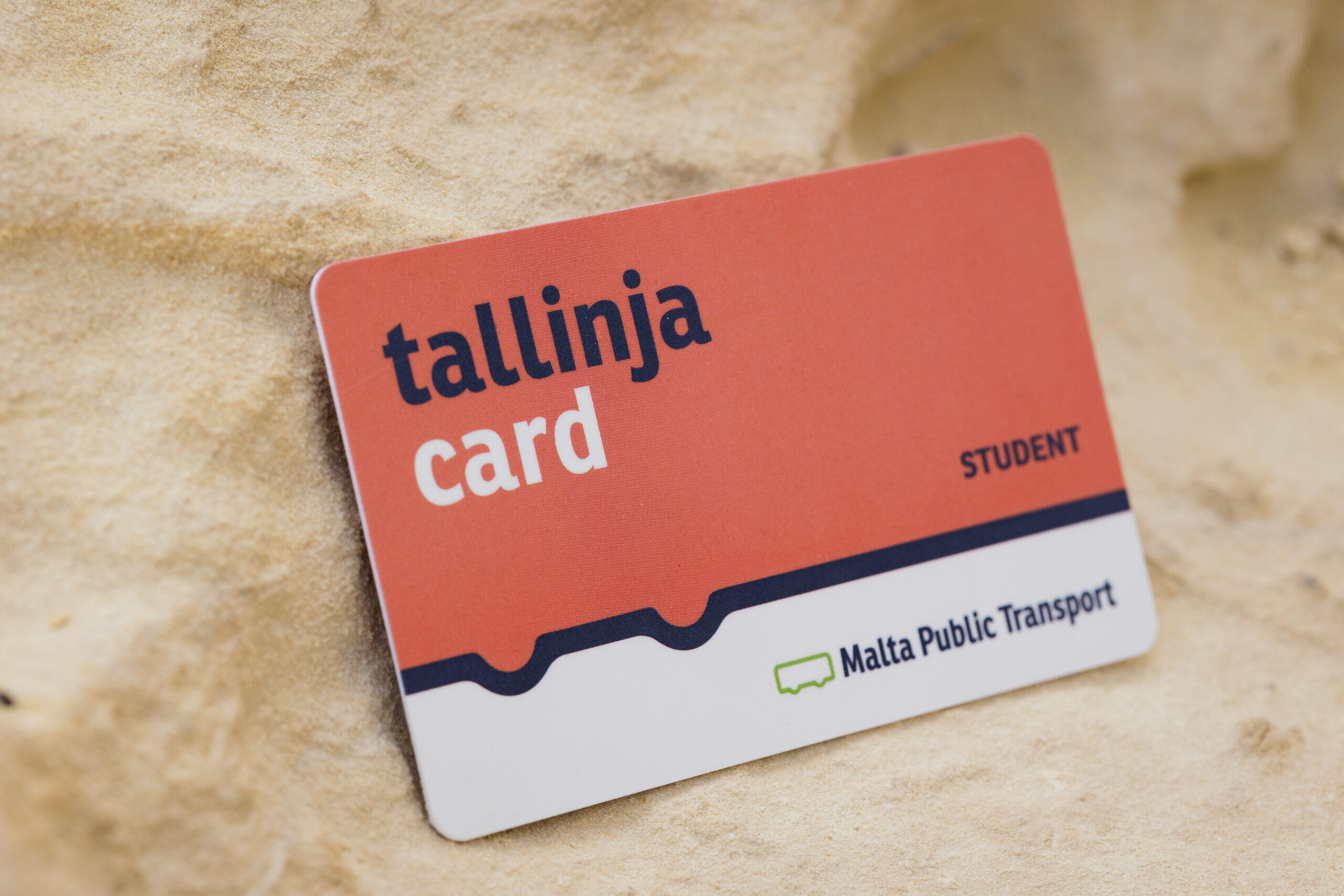
The Tallinja Card is Malta’s official smart card for public transport. For international students staying for more than three months, applying for the Student Personalized Card is a game-changer: it offers free travel on all day, night, and direct bus routes across the island.
It’s the most cost-effective way to explore Malta while keeping your daily commute to school completely budget-friendly.
Safety is another practical factor. Malta is widely regarded as one of the safer European destinations for students. Its size allows you to explore different areas without long travel times, helping you combine study, social life, and daily routine more easily.
In short, Malta creates conditions that allow you to focus on studying French without unnecessary logistical pressure.
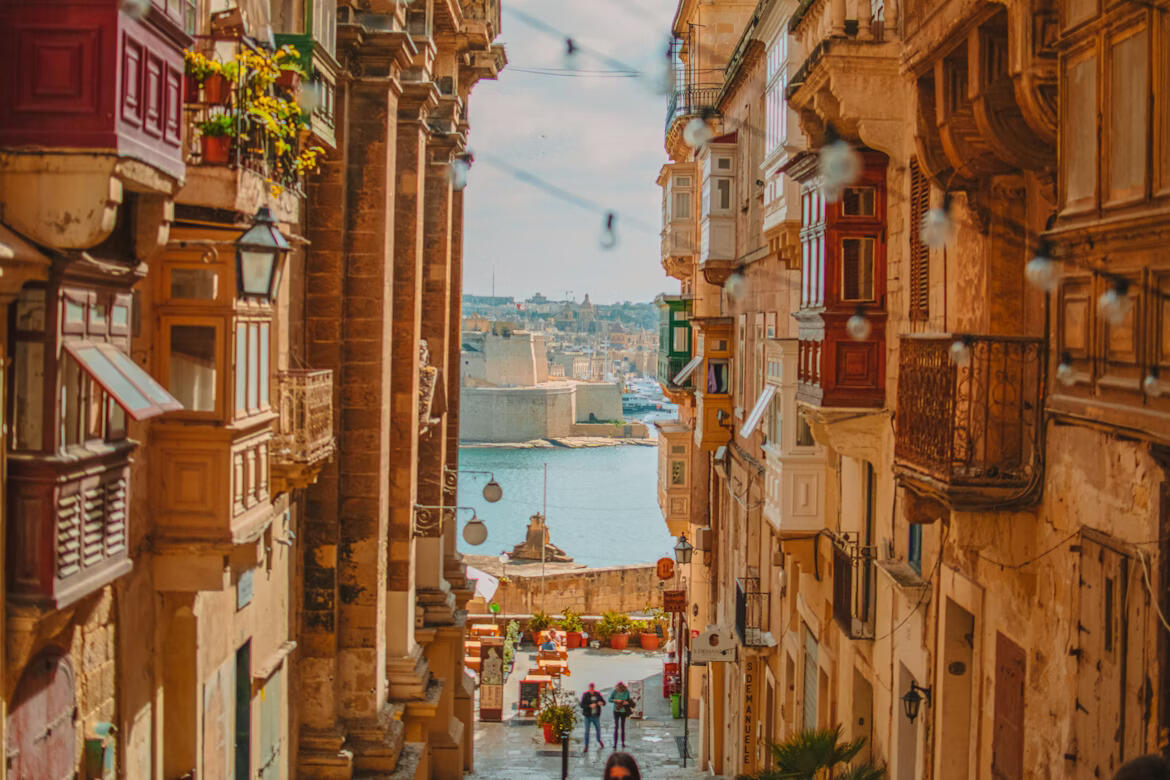
Schools and Neighborhoods
While Malta is a small island, choosing the right neighborhood can completely change the rhythm of your day. Each area has its own 'soul,' and fortunately, the island’s educational landscape is designed to match these diverse student lifestyles perfectly.
If you are someone who thrives in an atmosphere of history and prestige, the capital city of Valletta or nearby Floriana may appeal to you. This area is close to the Alliance Française de Malte, which is currently the only accredited centre in Malta where candidates can take the official DELF and DALF exams.

Choosing an institution with this kind of heritage means studying within a framework that is closely connected to recognised French cultural and educational networks. You’ll often have access to specialized libraries, cultural events, and conversation clubs that make your French language learning feel alive and deeply rooted in tradition.
Theoretical guides are helpful, but making real progress often requires finding a compatible French tutor to create a personalised roadmap.
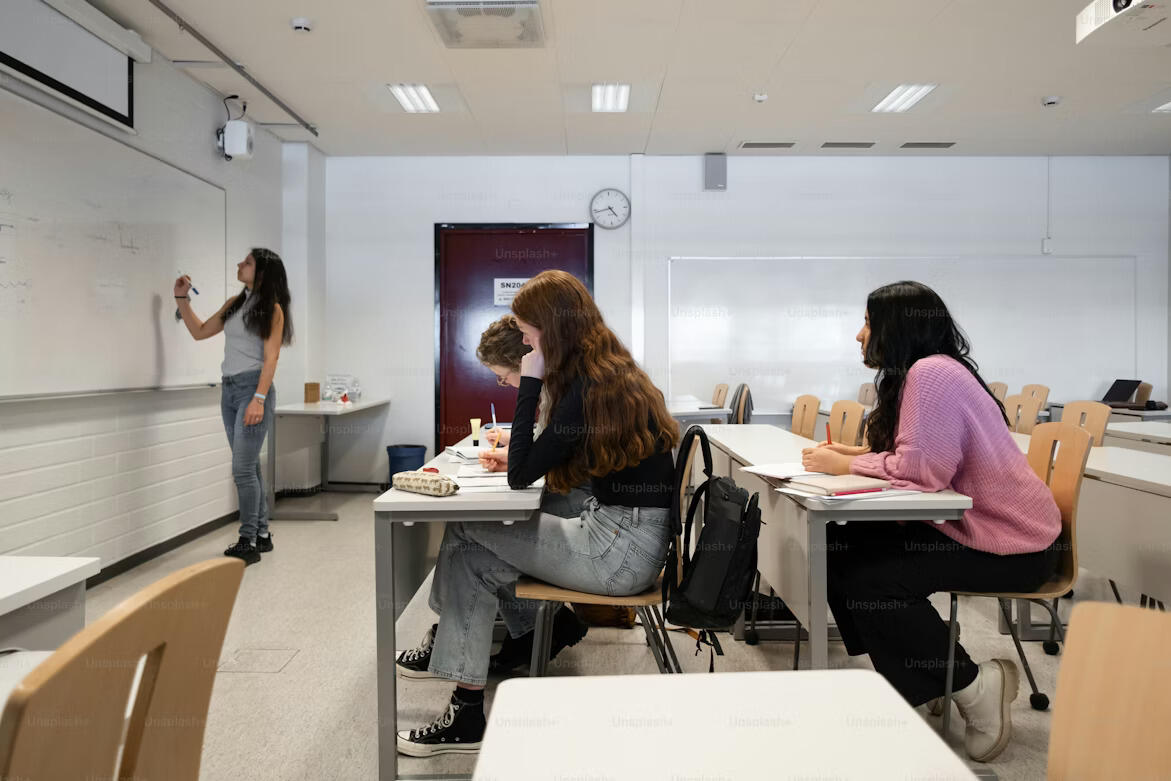
For those who prefer a more formal, academic setting, the Malta University Language School in Msida offers a campus-style environment. Studying here allows you to mingle with both local and international students, giving you a chance to dive into a truly intellectual atmosphere.
It’s the perfect spot if you want your journey to learn French to feel like a classic university experience, surrounded by the energy of academic ambition.
On the other hand, if you want your studies to be balanced with a vibrant social scene, the coastal stretch of Sliema and St. Julian’s is the place to be. This is where modern Malta meets the Mediterranean Sea.
While these areas are famous for their vast array of language centers, many students opt for specialized private tutoring or boutique language programs offered by the larger international academies in the district.
Prefer cultural institutions and a structured environment? Consider Valletta or Floriana.
Want a more social and international atmosphere? Sliema may suit you.
Looking for quiet and focus? Central residential areas such as Mosta or Attard can offer that balance.
It can be a good fit for learners who feel that meaningful progress often happens beyond the classroom, through regular interaction in daily life. You can study French in the morning and be part of the island's most cosmopolitan energy by the afternoon.
To gain true fluency, you should focus on improving your French skills daily through local immersion outside the classroom.
From “Bonjour” to Real Confidence
When you decide to learn French, progress usually feels gradual rather than dramatic. You don’t suddenly become fluent. You build confidence step by step.
In Malta, most schools follow the CEFR system, which simply means your level is clearly defined from beginner to advanced. You start with the basics: introducing yourself, asking simple questions, understanding everyday conversations. At this stage, the goal is comfort, not perfection.
As you move into intermediate levels, something shifts. You stop translating every sentence in your head. You start reacting naturally. Conversations feel less rehearsed and more spontaneous. This is often the stage where learners begin to feel that the language is becoming their own.
For those with academic or professional goals, higher levels such as B2 or C1 are important. These levels are typically linked to official exams like DELF or DALF.
CEFR (Common European Framework of Reference) is the international system used to measure language levels, from A1 (beginner) to C2 (advanced).
A1–A2: Basic communication
B1: Everyday conversations
B2: Academic or professional use
C1: Advanced fluency
DELF and DALF are official French diplomas issued by the French Ministry of Education. If certification matters to you, Malta offers preparation courses aligned with these exams. However, many learners focus first on communication and build toward exams later.
Unlike many other language tests that expire after two years, the DELF and DALF are yours for life. Once you earn it in Malta, you never have to take it again.
The key is understanding that fluency is not one big leap. It is steady progression. With consistent study and realistic expectations, improvement becomes measurable and motivating.
If you eventually decide to formalise your level, you should look into obtaining an official French certificate such as the DELF.

What Are Your Real Options in Malta?
In Malta, learning formats differ mainly by structure, flexibility, and intensity. Most learners choose based on routine rather than level.
Before you start comparing schools, it helps to step back and ask a simpler question: how do you actually want to learn?
Some people need structure. They like walking into a classroom at the same time every day, knowing exactly what level they’re in and what comes next. If that sounds like you, a structured language school program will probably feel reassuring. You follow a clear path, and your progress is measured along the way.
🧱 Structured routine
Fixed schedule, clear progression, predictable pace
🔄 Flexible routine
Changing hours, adaptable sessions, personal rhythm
Others don’t enjoy fixed schedules. Maybe you’re working remotely. Maybe your routine changes week to week. In that case, private lessons or small groups often make more sense. The teacher adapts to you, not the other way around.
Then there are students who want intensity. They’re here for a short period and want visible progress fast. Daily classes, more hours, deeper immersion. It works but only if you’re ready for the commitment.
And finally, some learners prefer balance. A few classes per week, combined with real-life practice. Malta actually makes this easier than many places. Because the island is international, you’ll find informal language exchanges, cultural events, and casual meetups where speaking French doesn’t feel forced.
Once you understand the basics, the next logical step is choosing a suitable learning approach that fits your personal daily schedule.
Do I learn better at the same hour each day?
Do I need time to process between lessons?
Do I prefer reacting or preparing?
There isn’t a “best” option. There’s only the one you can sustain. If you’re planning to learn French in Malta, the smartest decision isn’t choosing the most impressive program. It’s choosing the format that fits your life. Good luck!
Summarise with AI:
Did you like this article? Leave a rating!

 Loading...