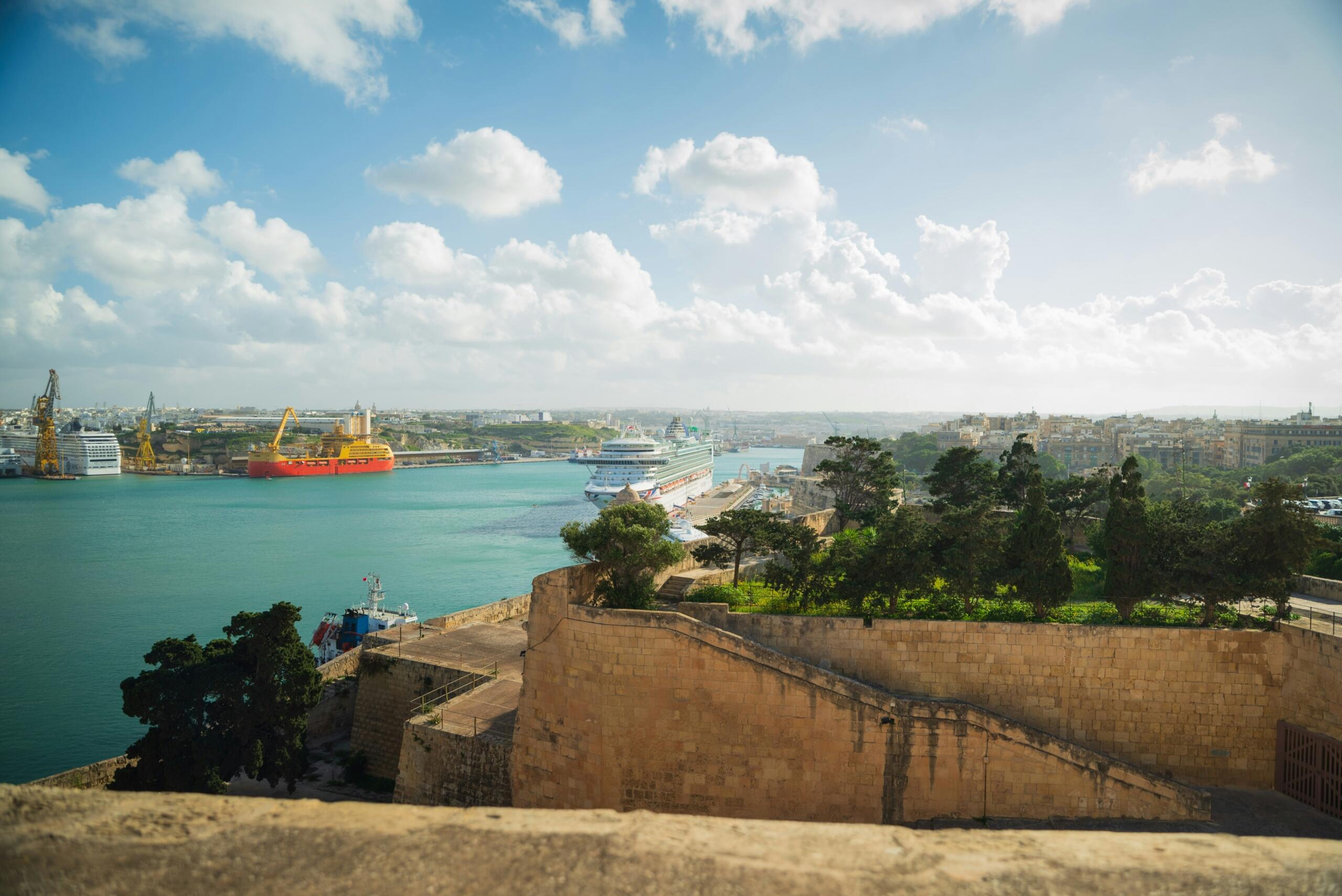

Italian is a language that sings itself.
Enrico Caruso
Visitors to Malta are often surprised by how many people can follow an Italian conversation, understand Italian television, or switch into a few Italian phrases even if they never studied the language in a classroom. The answer lies in Malta’s long relationship with Sicily and southern Italy, which shaped the islands’ culture, vocabulary and everyday media habits across generations.
In Malta, understanding Italian has often come through exposure rather than formal lessons. Shared vocabulary, television, travel and long cultural contact all helped make the language feel familiar.
Key Takeaways
- Strong vocabulary overlap helps Maltese speakers recognise Italian.
- Italian TV and media made the language familiar across generations.
- Proximity to Sicily keeps Italian culturally present.
- Understanding Italian is more common than speaking it fluently.


Similarities Between Maltese and Italian
One of the clearest reasons Italian feels familiar in Malta is the structure of Maltese itself. Maltese is a Semitic language that developed from Siculo-Arabic, but it did not remain isolated from the languages around it. Over many centuries it absorbed strong Sicilian and Italian influence, especially in vocabulary.

That influence is not minor. A very large share of Maltese vocabulary comes from Sicilian and Italian sources, especially in areas linked to culture, administration, education and more abstract concepts.
The basic grammatical structure of Maltese is still Semitic, but much of its learned and everyday vocabulary reflects long Romance contact. That is one reason the similarities between Maltese and Italian are noticeable even to non-specialists. A Maltese speaker may not be fluent in Italian, yet still recognise many words, patterns or meanings because they sound related to forms already present in Maltese.
This can be seen in ordinary vocabulary. Some Maltese words clearly resemble Italian forms, even when spelling and pronunciation have been adapted over time. Linguists note that many Romance loanwords entered Maltese through Sicilian, so the resemblance is not always identical to modern standard Italian, but the family connection is still visible.
There is also a broader Mediterranean dimension. Malta did not borrow from Italy through a single historical event. It existed for centuries in a shared space of trade, religion, travel and administration linked closely to Sicily and southern Italy. That meant language contact was repeated and normal, not occasional. The result is a kind of passive familiarity: many Maltese hear or read something in Italian and grasp the general meaning because parts of it already echo through Maltese vocabulary and cultural memory. This is another important explanation for why Maltese understand Italian even without formal study.
Many Maltese speakers recognise Italian words without studying them because Maltese contains strong Sicilian and Italian vocabulary layers built up over centuries.
Italian Media Influence in Malta
Language familiarity in Malta was strengthened not only by history but also by twentieth-century media. One of the main reasons many Maltese understand spoken Italian is television. Italian broadcasting was especially influential in the 1970s and 1980s, when Italian programmes were widely watched across Malta.
This mattered because television exposed people to pronunciation, rhythm and everyday expressions in a natural way. News, football, variety shows, serial dramas and quiz programmes brought spoken Italian into Maltese homes on a regular basis. Many people who never formally studied the language still built up a passive vocabulary simply by hearing Italian day after day.
Italian films and music reinforced that exposure. Maltese audiences did not encounter Italian only through books or school. They also heard it in songs, television presenters, football commentary and film dialogue. This made comprehension even easier.

That influence is still visible today. Italian channels remain part of mainstream television packages in Malta. Providers like Melita include a wide range of Italian channels such as Rai Uno HD, Rai Due HD, Rai Tre HD, Rete 4 HD, Canale 5 HD, Italia 1 HD, Rai News, Rai Scuola and Rai Storia as part of their standard offerings. GO TV also provides access to Italian content through its plans, including a mix of local and Italian channels, with additional on-demand content via Rai Italia+.
Italian channels have long been widely available in Malta, both through cable services and even historically via direct reception from Sicily due to the islands’ proximity. As a result, Italian remains easy to access in everyday media environments rather than something learners need to actively seek out.
Audio exposure also plays a role. While Malta’s main radio stations broadcast in Maltese or English, Italian radio and audio content are easily accessible through online streaming, apps and cross-border signals. This means learners are often exposed to Italian not only through television, but also through music, talk shows and podcasts as part of their daily routines.
Geographic and Cultural Proximity to Italy
Geography also plays a major role. Malta lies just south of Sicily, and that proximity has shaped the islands for centuries. Maltese culture and language reflect long connections with Sicily and Italy, with sustained ties over centuries through trade, religion, education and literature. Italy has therefore never been a distant cultural reference for Malta.
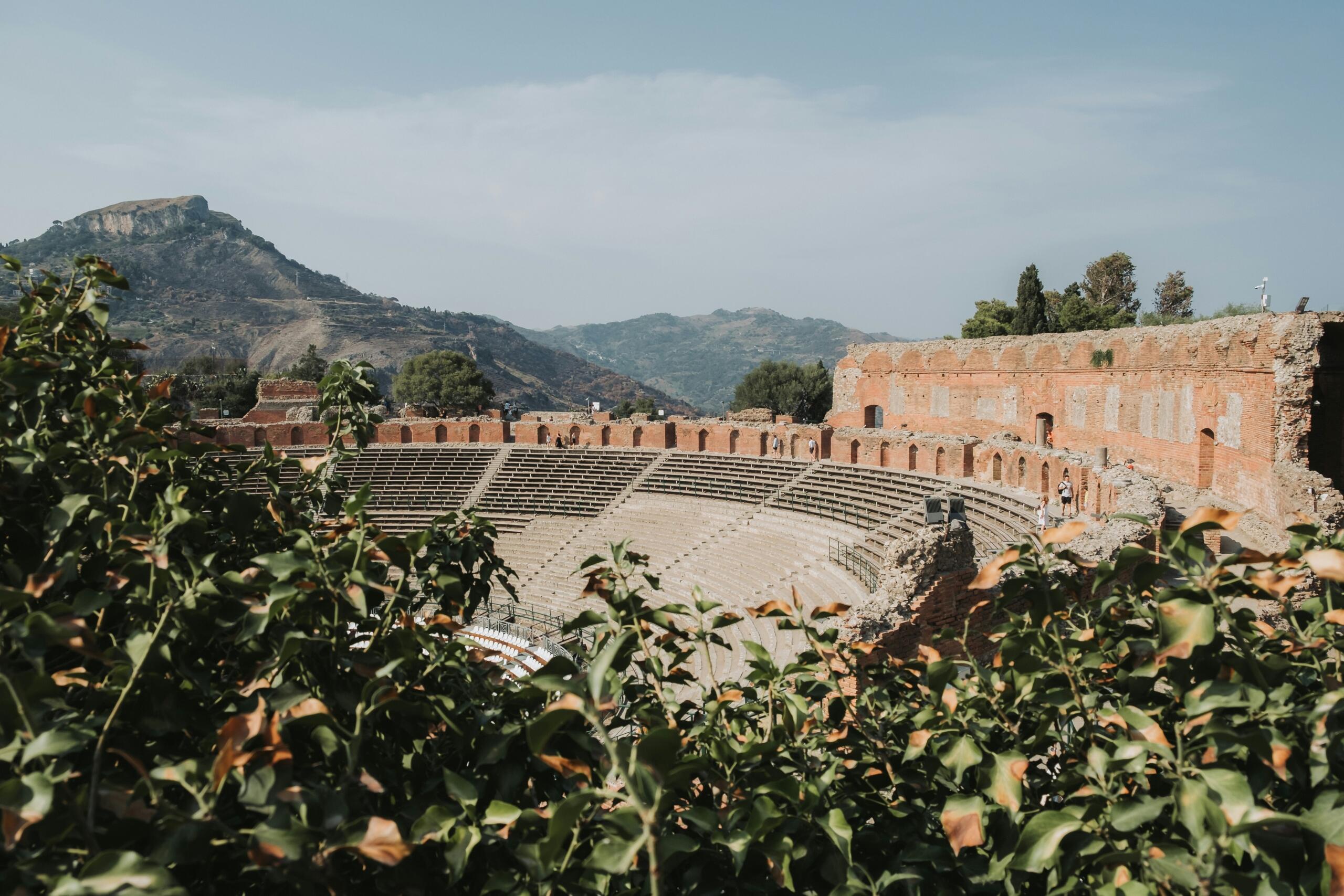
Travel between Malta and Italy is common, especially to Sicily. Cultural exchange has long flowed in both directions, and Italian visitors remain a familiar part of life in Malta. Jokingly, Sicily is probably the second "overseas" island destination for Maltese, right after Gozo.
Even when English is available, regular contact with Italian speakers helps people improve their Italian skills more easily.
This helps answer the question do Maltese speak Italian in a more careful way. Many Maltese may not speak it fluently, but they often understand enough to follow it because it belongs to a cultural environment they already know well.
There is also a generational effect. Italian is understood by a large portion of the population, and knowledge of Italian is more common among those aged 25 and over than among younger respondents. That pattern matches the stronger impact of earlier television exposure and older forms of cultural contact.
Passive Understanding vs Speaking Italian
It is important to separate understanding a language from speaking it fluently. These are not the same skill. A person may follow the gist of an Italian conversation, understand television dialogue or catch the meaning of common phrases, yet still hesitate when asked to reply in full sentences. That is common in Malta, where many people learned Italian passively rather than through structured grammar lessons or regular speaking practice.
This distinction matters for the question do Maltese speak Italian? Some do, especially those who studied it in school, use it professionally or grew up with very strong media exposure. But many others are better described as passively understanding Italian rather than actively speaking it.
They may recognise vocabulary, follow a news report, laugh at an Italian television joke or manage basic interaction with visitors, yet still not consider themselves fluent speakers. That kind of receptive knowledge is exactly what long-term exposure tends to produce.
Passive exposure works differently from formal language learning. In everyday life, people build listening habits and broad recognition, while in school they encounter Italian in Maltese schools through grammar, writing, oral production and correction. Malta’s experience with Italian shows how powerful passive exposure can be. Familiarity with the language did not grow only through education. It also developed through television, family habits, geography and the layered vocabulary of Maltese itself.
This is why some visitors overestimate fluency. A Maltese person may seem to “speak Italian” because they respond appropriately, understand quickly or use a few phrases with confidence. In reality, they may be drawing on passive comprehension and cultural familiarity more than on full active command of the language. That does not make the understanding any less real. It simply means comprehension and fluency should not be treated as identical.
For decades, Maltese households were exposed to Italian through TV, music and football, allowing many people to understand the language naturally without formal lessons.
Why This Understanding Remains So Strong
The reason so many Maltese people understand Italian without formal study is not a mystery once these factors are placed together. First, Maltese developed in close contact with Sicilian and Italian, leaving deep lexical overlap. Second, Malta spent centuries within a cultural and administrative world where Italian had prestige and visibility.
Third, modern media, especially television, brought spoken Italian into homes on a daily basis. Finally, geography kept Italy close enough for regular contact to feel natural rather than exceptional.
These layers reinforce one another. The similarities between Maltese and Italian make television easier to follow. Television makes travel and contact easier. Geography keeps the culture relevant. And all of that supports the broad passive understanding still visible in Malta today. This is the most complete answer to why Maltese understand Italian even when they never formally learned it in school.
A Language Learned Through Everyday Life
Many Maltese understand Italian because the language has been part of Malta’s environment for centuries. It shaped institutions and culture in the past, influenced Maltese vocabulary over time and became deeply familiar through television, music and everyday contact with Italy. That does not mean every Maltese person speaks Italian fluently, but it does explain why comprehension is so common. In Malta, understanding Italian often comes from a long history of exposure rather than a classroom alone.
📊 Poll: How do you think most Maltese people understand Italian?
Summarise with AI:
Did you like this article? Leave a rating!

 Loading...