

To have another language is to possess a second soul.
Charlemagne
Practising a language regularly is one of the most effective ways to improve it. Lessons can help with grammar and structure, but confidence usually grows through repeated contact in everyday life. Malta offers a particularly useful setting for this.
Because of the islands’ long cultural links with Italy, their closeness to Sicily, and the continued presence of Italian media and cultural activity, people in Malta have several natural ways to practice Italian Malta outside formal lessons. Did you know that many Maltese understand Italian?
That matters because language learning becomes easier when the language is not confined to a textbook. In Malta, Italian can be heard on television, seen in cultural spaces, used during short trips, and reinforced through reading, listening and casual interaction. This creates a practical environment for anyone who wants to improve Italian language skills gradually, through habits that fit into normal daily life rather than through classroom study alone.


Improve Italian Language Skills Through Media
One of the simplest ways to keep Italian active is through media. Watching, listening and following content in Italian helps learners hear pronunciation, sentence rhythm and repeated vocabulary in natural contexts. In Malta, this is especially accessible because Italian channels are still part of ordinary TV packages. Melita’s current channel listings include Rai Uno HD, Rai Due HD, Rai Tre HD, Rete 4 HD, Canale 5 HD, Italia 1 HD, Rai News, Rai Scuola and Rai Storia, while GO states that its Start Plan includes local and Italian channels and also offers extra Italian viewing options.

That makes television a very practical tool for learners. News programmes can help with clear pronunciation and repeated current-affairs vocabulary. Films and drama series help learners hear more natural speech and everyday expressions.
Football coverage, cooking shows and entertainment programmes can also be useful because the context supports comprehension even when every word is not fully understood.
Music and podcasts are helpful for the same reason. Songs make repeated phrases easier to remember, while podcasts build listening practice in smaller blocks of time. Someone commuting, walking or cooking can listen to Italian audio without setting aside a full study session. This is often one of the most realistic ways to improve Italian language skills, especially for adults balancing work, study or family life. The important point is not to understand every line perfectly, but to keep hearing the language often enough that it remains active in the mind.
YouTube and online news can also support this routine. Malta’s foreign languages portal provides useful Italian learning links, including digital resources that learners can access independently. Following Italian news clips, topic-based channels or shorter video formats can be especially useful for learners who want manageable, daily contact with the language. A person interested in football, travel, food, fashion or current affairs can use those interests as a bridge into Italian, which often makes practice easier to sustain than more abstract exercises.
One reason learners in Malta can improve quickly is simple exposure. Italian is present in Malta through television, music, news, travel and cultural events, which makes regular contact much easier than in many other places.
Italian Culture and Everyday Exposure in Malta
Malta’s cultural links with Italy also create opportunities to practise outside the home. Language becomes easier to use when it is connected to real situations, and Malta offers several of those. The Italian Cultural Institute in Valletta remains an active centre for exhibitions, concerts, conferences and other public events, while local cultural listings describe it as a symbol of Italian heritage in Malta that actively supports the Italian language and culture through public programming and an open library. This means learners can encounter Italian in social and cultural settings rather than only in study materials.
Cultural events are useful because they encourage learners to listen first and speak gradually. Someone attending an Italian film screening, lecture or exhibition may not need to say much, but they are still absorbing vocabulary, hearing pronunciation and building familiarity with the language in context.

This is especially helpful for people who feel hesitant about speaking. Exposure in a cultural setting allows them to observe, recognise familiar words and build confidence step by step.
Everyday life in Malta can support practice in smaller ways too. Italian restaurants, cafés, imported products, Italian television playing in public spaces, and contact with Italian residents or tourists all create moments where learners can hear or use the language. Not every exchange will become a conversation, but even brief interactions matter. Ordering, greeting, asking a simple question or recognising phrases in context can help turn passive understanding into active use. In a place where Italian already feels culturally familiar, these small moments often matter more than people expect.
Simple ways to use Italian in Malta 🇮🇹
- Watch one Italian TV programme each week
- Follow an Italian news page or YouTube channel
- Attend an Italian cultural event in Valletta
- Try short conversations with Italian speakers
- Keep a notebook of useful phrases heard in daily life
Travel and Cultural Exchange With Italy
Travel is another major advantage for learners in Malta. Italy is close enough that using Italian does not have to remain theoretical. Virtu Ferries continues to operate the Malta to Sicily route and publishes current schedules for crossings to Pozzallo. For air travel, KM Malta Airlines states that flights from Malta to Palermo take about 50 minutes. So while the exact trip depends on the route chosen, Sicily is close enough for short, realistic practice trips by ferry or plane.
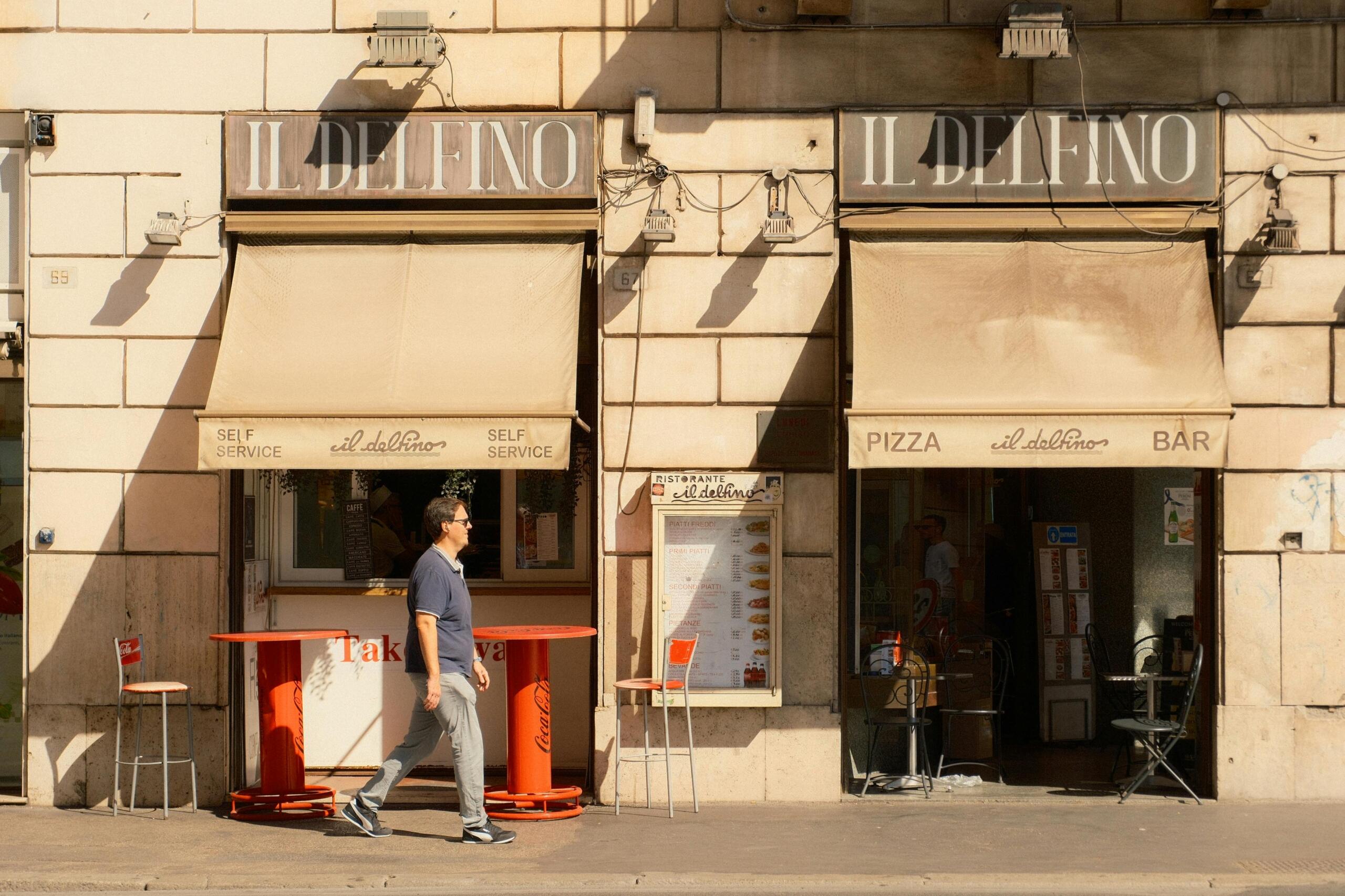
This closeness matters because short trips can give learners a clear reason to use the language. A visit to Sicily or southern Italy creates natural opportunities to read signs, order food, ask for directions, handle tickets or follow simple conversations. Even a brief trip can help classroom knowledge become more active.
Someone who practises a few useful phrases before travelling, then tests them in real situations, often comes back with more confidence and clearer goals for further learning.
Cultural similarity also helps. Malta and Sicily share a broader Mediterranean environment, and for many learners that reduces the sense of distance. Food culture, pace of life and social habits may feel more familiar than in a completely different setting, which can make using Italian less intimidating. This is one of the most practical Italian language tips for Maltese learners: use proximity to Italy as a realistic extension of everyday study, not as an abstract future goal.
Reading and Online Resources
Independent reading is another strong way to build Italian gradually. Reading helps learners slow the language down and notice spelling, structure and repeated vocabulary. Short articles, recipes, sports pages, children’s texts or simple news pieces are often more useful than starting with difficult literature. The aim is consistency. A few minutes of reading several times a week usually helps more than occasional long study sessions.
Online tools can support that habit. Malta’s foreign-language resources point learners toward digital materials they can use outside class, and general tools such as apps, online dictionaries and structured practice sites can help reinforce vocabulary and grammar.

These work best when paired with real input from television, reading and conversation. Apps can review words, but they are more effective when those same words are also being met in news items, videos or real-life exchanges.
Language exchange communities can help too. In Malta’s multilingual setting, learners often have opportunities to practise informally with friends, classmates, colleagues or Italian-speaking residents. Even short, low-pressure conversations can make a difference because they help reduce hesitation. For many people, the challenge is not only knowledge but confidence. Speaking in small, regular bursts often works better than waiting until fluency feels perfect.
A useful approach is to combine methods rather than relying on one. Television and podcasts support listening. Reading supports vocabulary and accuracy. Cultural events make the language feel social and real. Travel adds practical use. Together, these habits create a steady path for anyone who wants to practice Italian Malta in a realistic way.
Making Italian Part of Daily Life
The most effective way to improve Italian in Malta is to make the language part of ordinary routine. Malta’s closeness to Italy, access to Italian channels, active cultural links and easy travel options all make that easier than in many other places. A learner who watches Italian media, reads short texts, attends occasional events and uses travel or local interaction as practice opportunities is building exposure from several directions at once. That kind of repeated contact is often what turns passive familiarity into real confidence.
For that reason, Malta offers more than classroom language learning alone. It provides a setting where language practice can happen through culture, media and everyday life. For anyone looking for practical Italian language tips, the strongest answer is often the simplest: use what is already around you, and let Italian become a regular part of your week.
📊 Poll: Which method would help you improve Italian most in Malta?
Summarise with AI:
Did you like this article? Leave a rating!

 Loading...