

Finding a French teacher in Malta is more about compatibility than just availability. While many learners focus on credentials, real progress often depends on a more subtle factor: how a teacher’s style aligns with the way you learn.
In an environment as diverse as Malta, the right teacher does more than just explain grammar; they bridge the gap between what you expect from lessons and how French actually feels in real use. When there is a fit in communication, mistakes stop being obstacles and simply become part of the progress.


French Teacher Qualities
Choosing a French teacher becomes easier when you know what to look for. Beyond qualifications, certain French teacher qualities consistently shape how quickly and comfortably you progress.
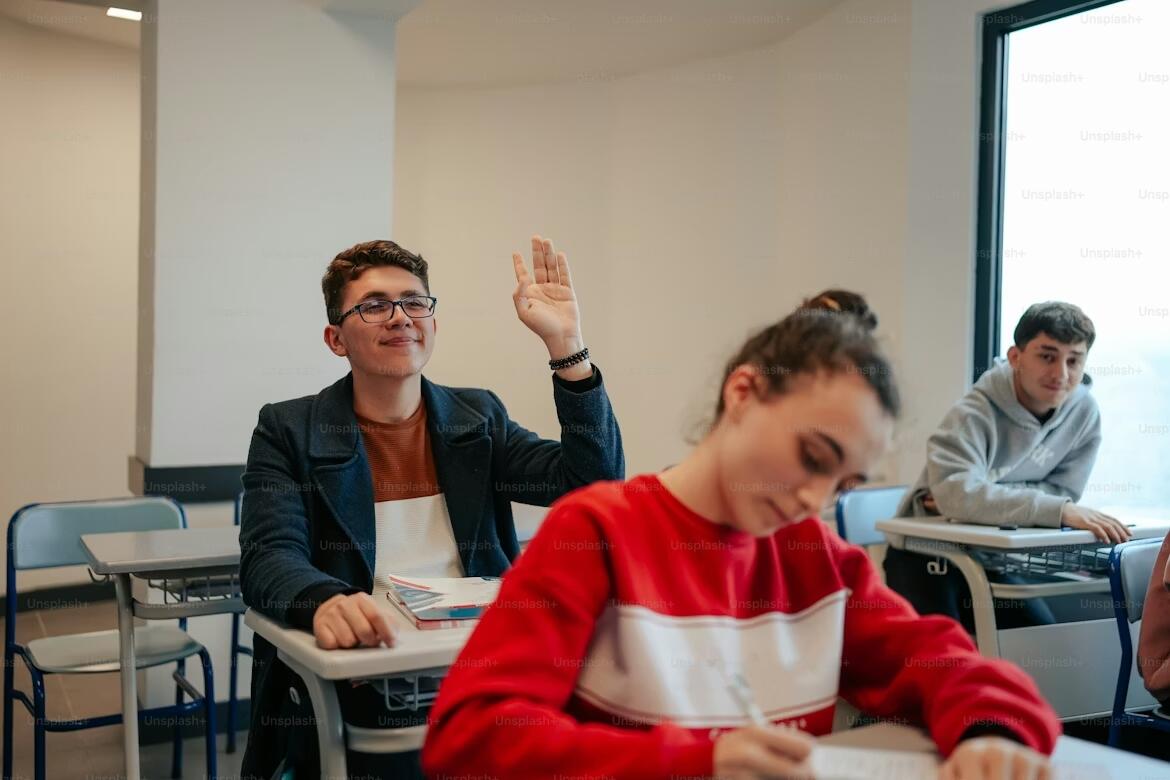
A good French teacher is not defined only by how clearly they explain grammar. Many lessons fail not because the explanation is wrong, but because the learner is asked to process too much at once: vocabulary, structure, pronunciation, and confidence. Effective teachers control this pressure carefully.
They regulate difficulty, not just content
Beginners often think they need more explanations. In reality, they need manageable complexity. A strong teacher constantly adjusts how much attention you must divide between meaning and form. When difficulty is well calibrated, you feel challenged but still able to respond without freezing.
💡 Progress happens when thinking remains active, not overloaded.
They correct after meaning is established
🔒 Form-first correction
You monitor grammar while speaking
Speech becomes slow
You avoid complex ideas
🔓 Meaning-first correction
You express the idea first
Form is refined afterwards
Complexity grows naturally
Teachers who prioritise meaning first help you keep speaking while accuracy improves over time.
They manage speaking memory
🧠 Overloaded working memory
You search words and rules simultaneously
Sentences collapse mid-speech
🗣️ Supported working memory
Teacher supplies key words or structure
You maintain flow while learning
The teacher’s role is often to temporarily carry part of the cognitive effort so communication can continue.
They diagnose errors instead of reacting to them
Weak teachers react to mistakes individually. Strong teachers listen for patterns. Instead of correcting ten separate errors, they identify the underlying structure you have not yet internalized and address that directly.
🔍 Good correction reduces future mistakes, not just current ones.
They control emotional pressure
Language performance is highly sensitive to perceived evaluation. When learners feel judged, processing speed drops and known material becomes inaccessible. Teachers who normalize hesitation allow access to existing knowledge instead of blocking it.
🌱 Confidence allows you to use what you already know.
After recognizing these French teacher qualities, choosing becomes less about personality and more about learning mechanics.
A great teacher will not only teach grammar but also share useful French learning habits you can use in your daily life.
Matching The Teacher To Your Learning Style
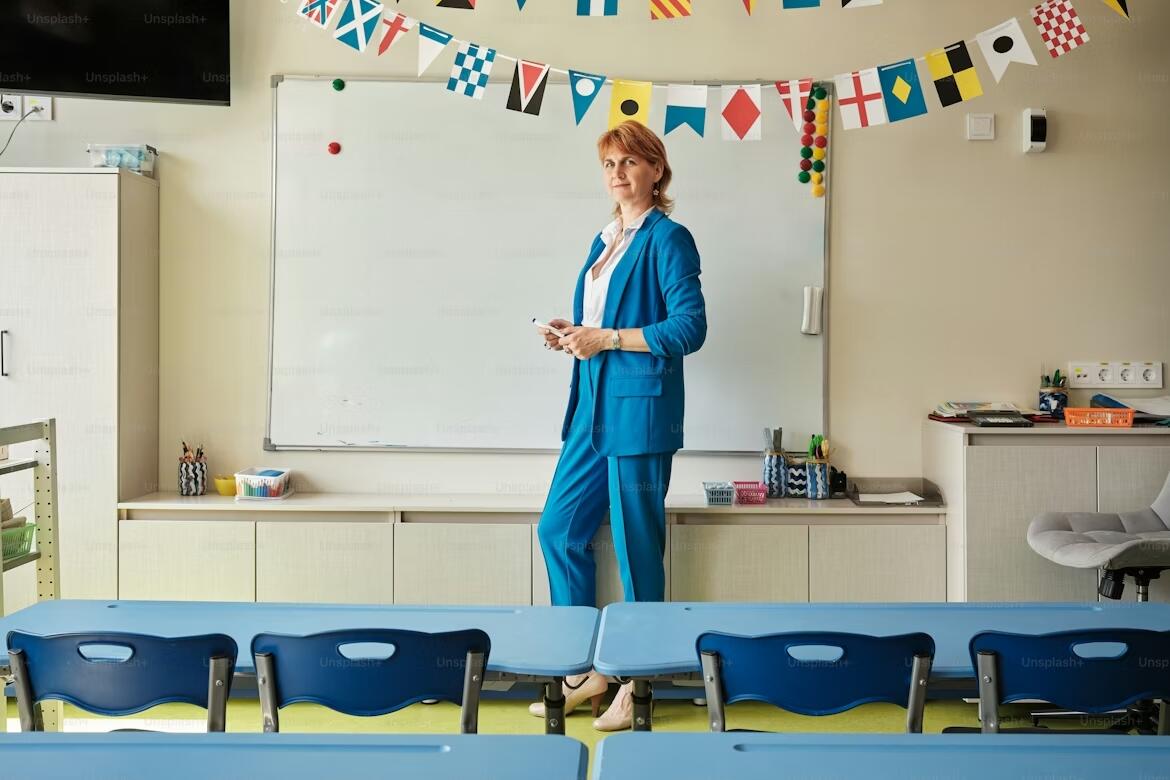
After understanding the main French teacher qualities, the next step is personal fit. A teacher can be competent and experienced, yet still slow down your progress if their structure conflicts with how your brain processes language.
In practice, choosing a French teacher is less about finding the best professional and more about finding the right interaction pattern.
You usually notice this within the first minutes of a lesson. With some teachers, you start forming sentences even if they are imperfect. With others, you begin monitoring yourself before speaking. The difference is subtle but decisive.
When the interaction fits you, your attention stays on meaning. You search for words, not for approval. Silence feels like thinking time, not failure. In that state, correction becomes useful because it attaches to something you actually tried to express.
When your attention stays on meaning rather than on avoiding mistakes, your brain builds fluency more efficiently.
When the interaction does not fit, the opposite happens. You start planning sentences in advance, simplify ideas, or wait for the teacher to lead. The lesson may still be clear and well structured, yet your participation decreases.
This contrast often looks like this:
Natural interaction
You respond immediately
You search for words
Performance mode
You plan sentences
You avoid mistakes
This is why choosing the right teacher cannot be reduced to credentials or years of experience. Progress depends on whether the lesson keeps you mentally engaged rather than overly cautious or stuck in self-monitoring.
In Malta, many learners change teachers once before they realize this. They initially look for organization or friendliness, but what really matters appears during live communication. You are not evaluating knowledge. You are evaluating response.
A useful question after a trial lesson is simple: did I react or did I perform? If you reacted naturally, the learning process has already started.
A good teacher reduces effort, not increase control.
Before your first session, it is helpful to determine your preferred study style to double the efficiency of your lessons.
Managing the Long-Term Relationship with Your Teacher
Finding the right teacher is the foundation, but maintaining progress in a place like Malta requires a shift in how you manage your lessons over time. Once the initial reaction phase is established, the relationship should evolve from simple instruction into a collaborative partnership.
This is where many learners find their rhythm by treating their teacher as a linguistic guide rather than just a source of grammar rules. In Malta, where Maltese and English are widely used in daily life, your lessons often become the main space where French is used consistently.
Try keeping a "daily encounter log" on your phone. If you got stuck during a speaking exercise, a voice message, or a short exchange with another learner, bring that exact moment to your next lesson. It turns a brief difficulty into something you can fix and reuse.
Consistency often depends on transparency and the ability to share the learning burden. If a specific lesson format feels too structured or perhaps too loose for your current energy level, a compatible teacher will welcome that feedback.
In the Maltese learning context, your sessions should act as a safe laboratory. If you struggled to explain a specific need to your French colleague or felt a moment of hesitation during a social gathering, those specific experiences should become the core of your next session. By bringing the outside world into the classroom, you ensure that the vocabulary stays relevant and the motivation remains high.
Furthermore, a successful long-term approach involves setting milestones of comfort rather than just milestones of knowledge. Instead of only tracking how many verbs you have memorised, it is often more useful to track how much less mental effort it takes to start a conversation.
Most teachers structure progress using the CEFR scale, which makes it easier to set realistic milestones.
A clear progression from beginner (A1) to advanced fluency (C2)
When a teacher understands that your goal is to navigate a multilingual environment with ease, they can tailor their feedback to prioritise functional fluency. This shift in focus helps to ensure that the performance mode naturally fades away. It is replaced by a sustainable and long-term confidence that extends far beyond the classroom walls and into your daily life on the island.
Over several months, this partnership turns the teacher from a distant authority into a practical link between your current ability and your future fluency.
Finding the right instructor is vital, but it should be viewed as part of your broader Malta French learning journey as a whole.
Where to Find a French Teacher in Malta
After understanding how to pick the right teacher for you, the practical question becomes where the search actually starts. In Malta, options look similar on the surface but lead to very different learning experiences.
Some learners begin with large platforms where many teachers present structured profiles. Others hear recommendations through schools or shared accommodation. A few meet teachers through language exchanges and continue privately. The source matters less than the interaction you observe during the first contact.
A useful sign appears before the first lesson even happens. Notice how the teacher asks questions. Do they immediately describe their method, or do they try to understand how you learn? Teachers who begin by diagnosing expectations usually adapt better during lessons.
If a teacher asks about your goals, habits, and previous experience, they are already adapting the lesson to you. The way a teacher communicates before the actual lesson often predicts how adaptable they will be during it.
In Malta, many teachers work with international students every week. Because of this, they often adjust their teaching depending on cultural learning habits. Some students expect correction, others expect conversation. A teacher familiar with this environment will clarify preferences early instead of discovering them slowly through misunderstandings.
During the trial lesson, avoid judging progress. Instead, observe reaction patterns. Do explanations shorten confusion, or do they accumulate information? Do you leave with fewer doubts or simply more notes?

The goal of searching is not to verify expertise immediately but to detect compatibility quickly. Once interaction feels natural, improvement usually follows.
Once you reach a steady rhythm with your tutor, you might feel ready to take official French proficiency tests to prove your level.
Where to Start Looking in Malta
When you begin looking for a French teacher in Malta, the first step is not comparing profiles but choosing the environment where you want the interaction to happen.
If you prefer clear structure, many learners start with language schools because they provide predictable scheduling and continuity. If you prefer flexibility, tutoring platforms are often the entry point. For example, on platforms such as Superprof, the first exchange of messages already shows how a teacher approaches adaptation and communication.
Instead of checking many profiles at once, start with one environment and observe what type of teaching appears there. This reduces decision fatigue and helps you understand what you react to naturally.
After the first contact, expand the search only if something feels missing. Searching everywhere at once often delays choice because comparison replaces experience.
In Malta, effective searches are usually sequential rather than simultaneous. Learners who move step by step find compatible teachers faster than those who compare endlessly.
Summarise with AI:
Did you like this article? Leave a rating!

 Loading...