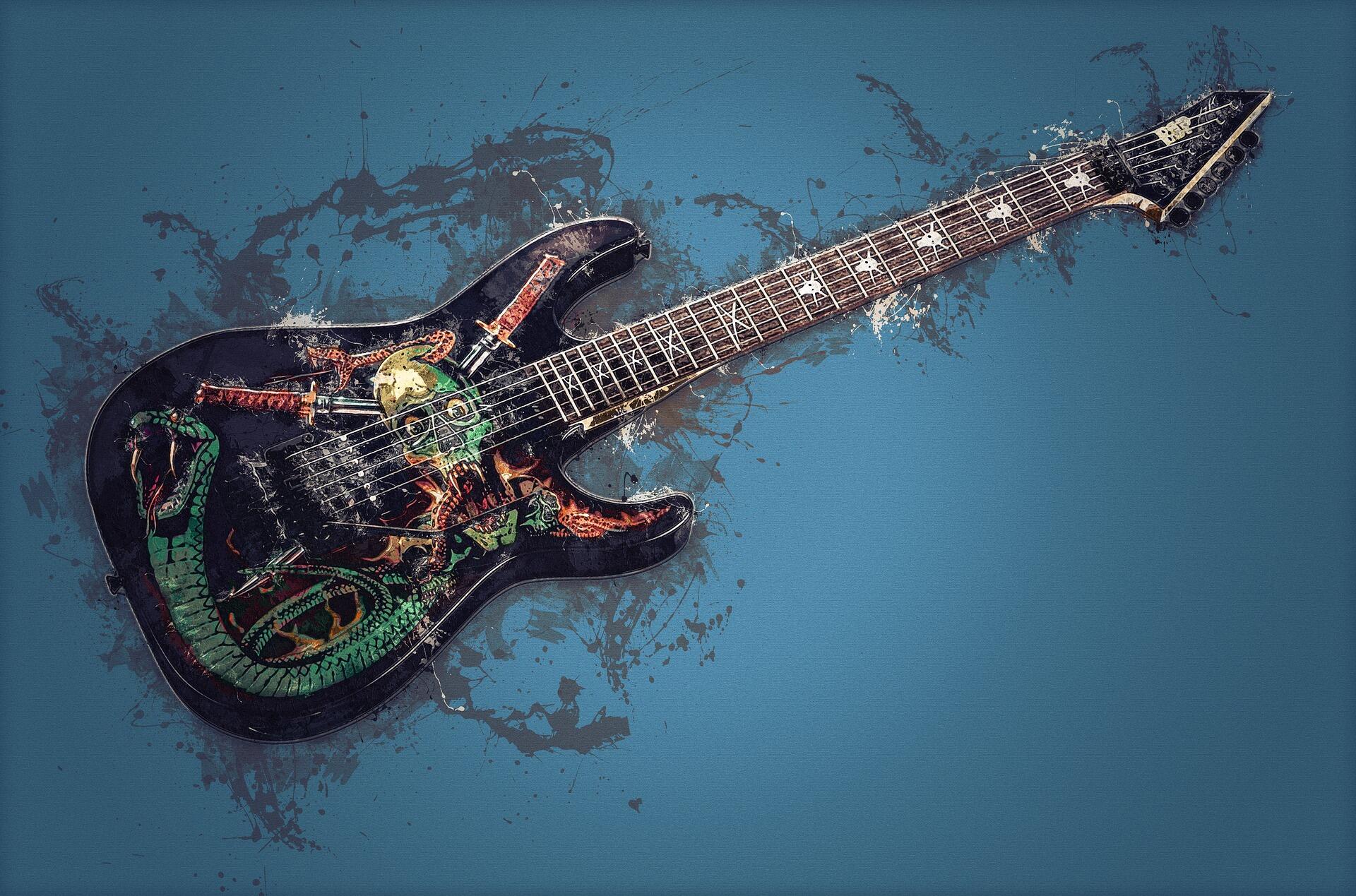

There’s a certain electricity in the air when you talk about the most famous rock stars of all time. They weren’t just musicians; they were forces of nature who stepped onto a stage and changed the temperature of the room. Their presence shaped entire generations, carved new sounds into the world, and left behind stories that still echo through today’s playlists.
Rock history is crowded with famous rock and roll stars, but only a handful earned the kind of immortality that keeps their names burning decades later. These are the famous rock stars who twisted the genre, broke it open, rebuilt it from the inside, and taught the world how loud emotion can truly be. So let’s dive into the most famous rock stars, the ones who didn’t just play music but rewired its very pulse.
To see how global rock culture sits alongside Maltese music today, you can also explore Maltese Singers - Island Voices.


Elvis Presley
Elvis isn’t just “the King” because people liked the way he shook onstage. His real power was how effortlessly he bridged musical worlds that weren’t supposed to touch. Gospel, blues, country, and early rock all collided in his voice, and somehow çıkardığı ses hem tanıdık hem de yepyeniydi.
His movements, his sound, even the way he stood in front of a microphone changed the grammar of performance. Rock wasn’t a genre yet; it was a rumor. Elvis is the moment that rumor became a roar. Anyone who steps onstage today with the intention to ignite a crowd is walking in the shadow of that first spark.
number-one singles, each one carving a deeper mark into the early language of rock.
shows in Las Vegas, turning the city into his own electrified stage.
a legacy that still refuses to lose its pulse.
Jim Morrison
Jim Morrison walked onto a stage like someone stepping into another dimension. You never knew if he was going to whisper a prophecy or tear the whole place open with a scream. He carried poetry inside rock the way a storm carries electricity, making every Doors performance feel half ritual, half rebellion.

He didn’t just sing lyrics; he carved symbols into the air. His words pulled from mythology, psychology, dreams, and the darker corners of the human mind. Because of him, rock stopped being just music and started becoming a kind of inner journey. Modern alternative rock, gothic aesthetics, and even the moody introspection of today’s indie scene all trace a thin line back to him. Morrison proved that a song could be a doorway, not just a melody.
If you enjoy great songwriting across genres, Country Music in Malta - Artists to Know offers a softer but equally heartfelt sound.
Jimi Hendrix
Talking about rock without mentioning Jimi Hendrix feels like trying to describe color without blue. He didn’t play the guitar; he spoke through it, almost like the instrument was a second nervous system wired directly into his imagination. Listeners still talk about the way he bent notes past the edge of what a guitar should physically do.
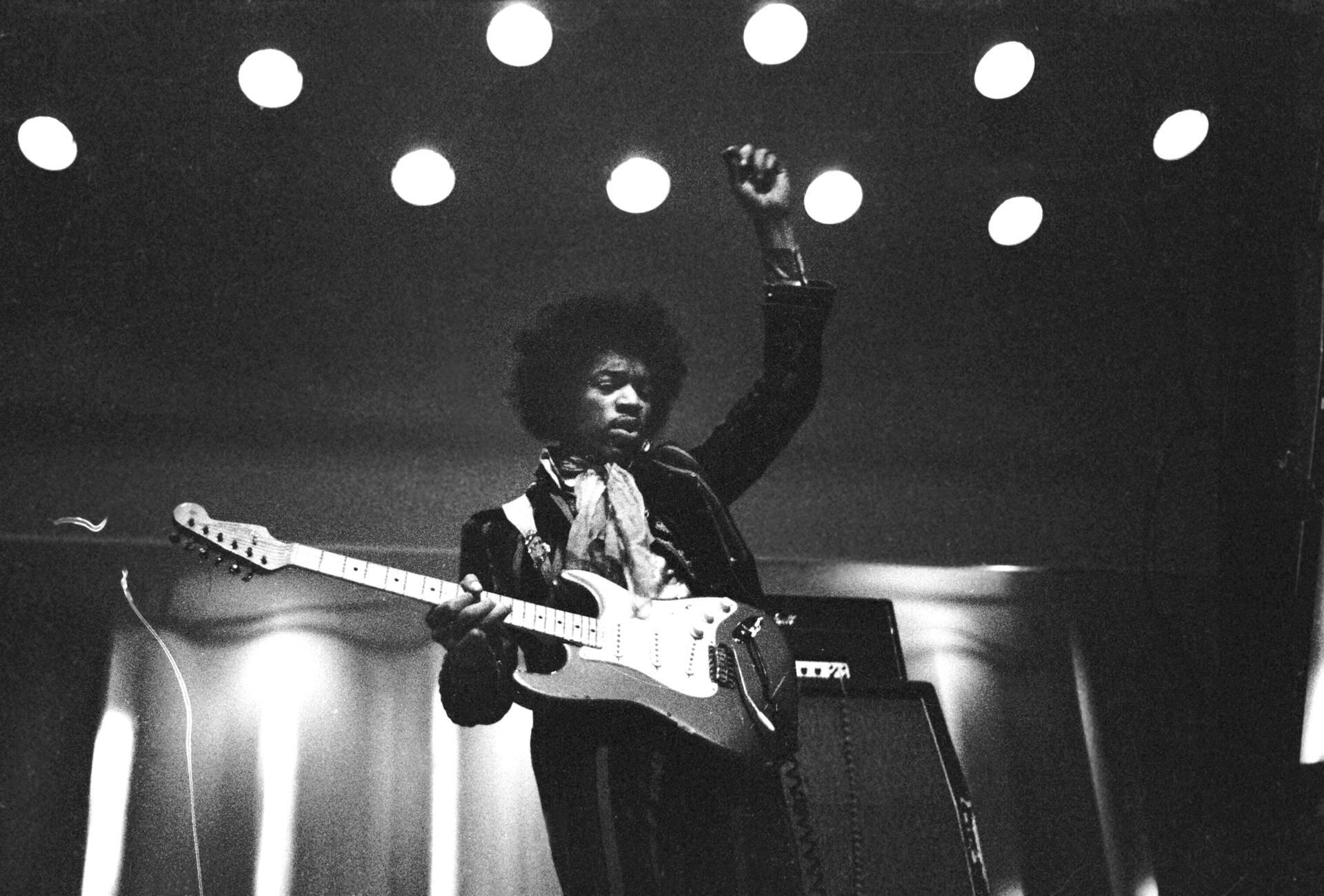
His influence on the psychedelic era is impossible to overstate. Hendrix cracked open the door to experimental rock, pushed amplifiers into feedback as if he wanted them to scream with him, and blended blues roots into cosmic, swirling soundscapes.
Today’s alt-rock, neo-psychedelia, and even modern guitar pedals still carry the fingerprints he left behind.
Hendrix never learned to read music and often described sounds in colors, guiding his songs by instinct rather than notes.
Freddie Mercury
Freddie wasn’t just a rock star; he was a gravitational force. His voice stretched across octaves like it was elastic, but what made him unforgettable was the emotional weight behind every note. Whether he whispered or roared, he made listeners feel something primal.
Queen’s experimentation helped reshape arena rock and broke the idea that a band must live within one genre. They blended opera, hard rock, disco, synth layers whatever felt true in that moment. Freddie made theatricality acceptable in rock, proving you could be grandiose without losing sincerity.
Kurt Cobain
Cobain didn’t ask for a crown. Grunge placed a weight on him he never wanted, and that reluctant honesty was exactly what shook the music world awake. His songs cracked open subjects rock had tiptoed around for years: vulnerability, mental struggle, and the strange, quiet discomfort of simply existing.
Nirvana changed not just a sound but an attitude. Cobain pulled rock away from polished glam aesthetics and shoved it back into something raw, crooked, and painfully sincere. Alternative rock owes much of its emotional directness to him.
Nostalgic pop fans will love stepping back in time with Pop Music Legends of the 70s.
Janis Joplin
Janis didn’t just sing; she tore open whatever she felt and handed it to the audience still warm. Her rasp held a kind of tenderness you don’t encounter often: broken but determined, fierce but compassionate.
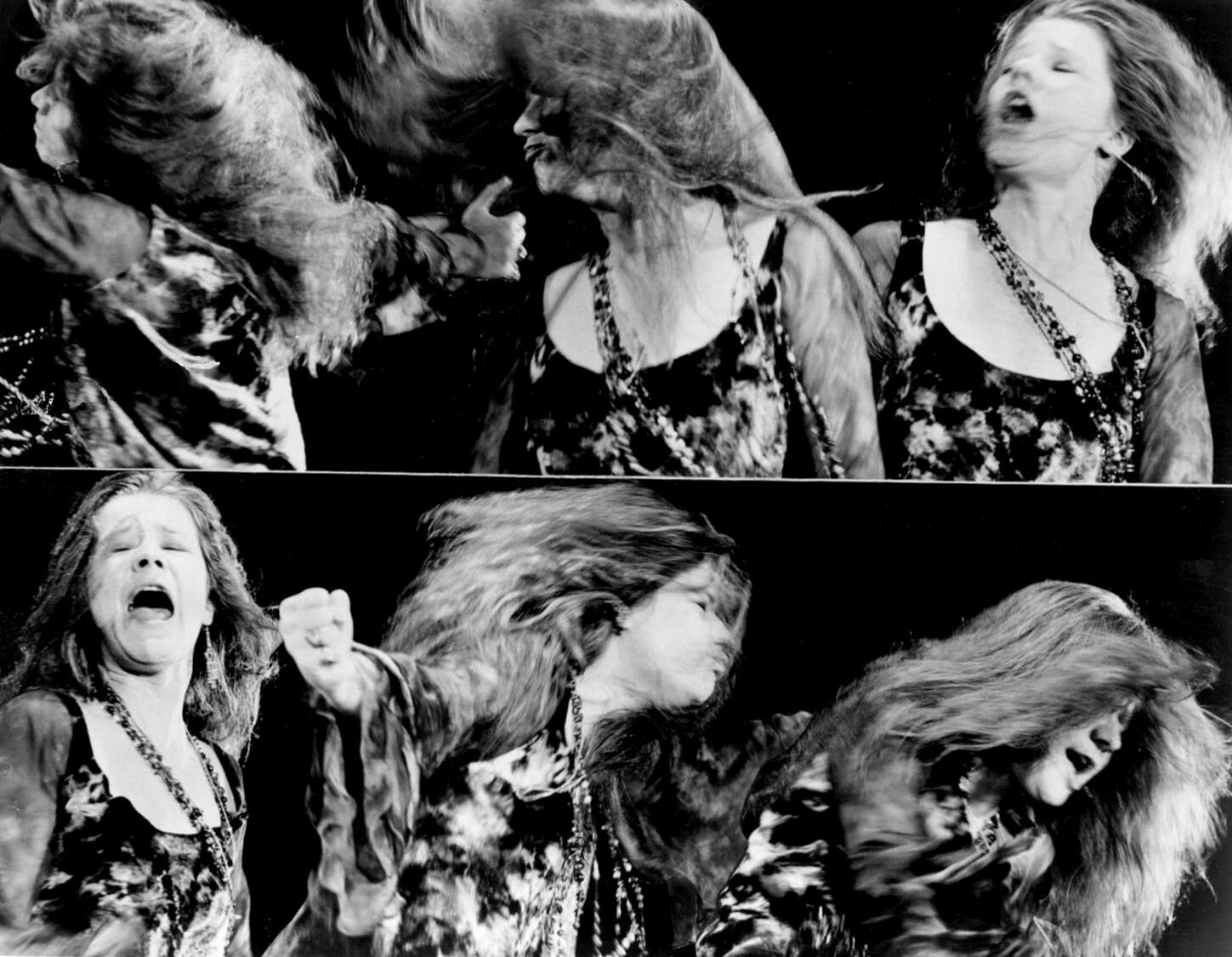
She bridged blues and rock in a way that made both genres feel newly alive. Joplin opened the door for female rock artists to be unapologetically loud, emotional, chaotic, and brilliant. Her influence is woven into modern indie rock vocal styles and the revival of blues-rock.
Tina Turner
Tina didn’t just survive the music industry; she outran it. Her voice came with a gravel texture that felt like experience itself. Every note she sang had weight, as if it had traveled across years of fights, heartbreaks, comebacks and still refused to break.
Selling out stadiums in her forties, breaking records in her fifties, and shaping stage presence for generations, Tina turned rock into a space where power didn’t need explanations. Modern pop-rock performers owe a quiet debt to her: the way they strut, the way they claim space, the way they turn vulnerability into fire.
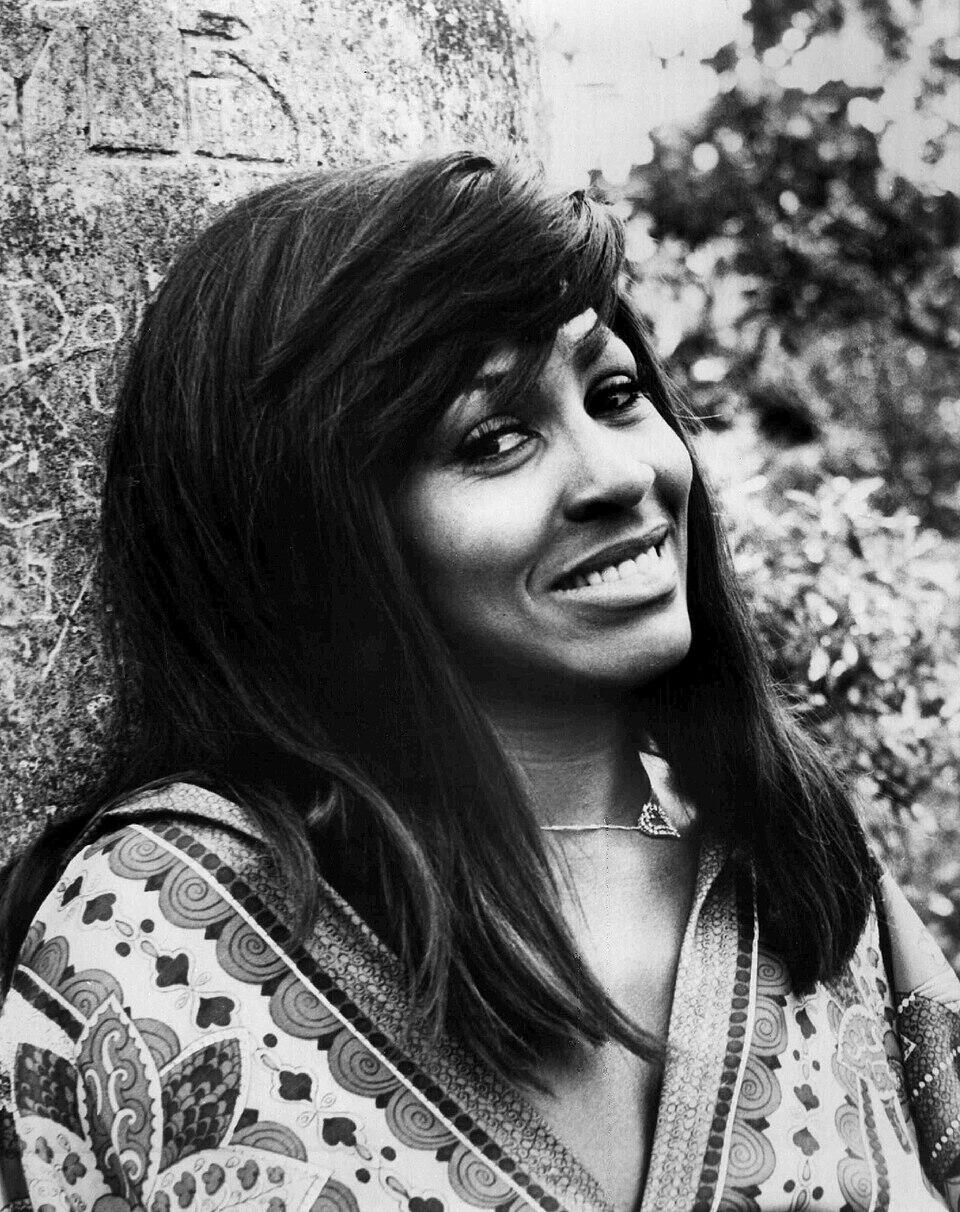
Tina Turner became the first woman to fill stadiums worldwide on her own, proving that raw power and reinvention could outshine any era she stepped into.
Bruce Springsteen
Bruce never chased the image of a rock god. Instead he became something daha ilginç: a narrator of people trying to outrun small towns, quiet disappointments, and the dangerous hope that things might actually get better. His songs always sounded like long roads at dusk.
Springsteen didn’t revolutionize rock with distortion or theatrics; he reshaped it with empathy. He stretched rock into a storytelling vessel that could carry entire lifetimes inside a few verses. Today’s heartland rock, indie-folk crossovers, even modern singer-songwriters he left fingerprints on all of them.
And for musical genius on the orchestral stage, Classical Music Icons Guide highlights icons from the classical world.
Jimmy Page
Some guitarists play fast. Some play clean. Jimmy Page designed worlds. The riffs he created weren’t riffs; they were architecture, built with strange tunings, layered tracks, ancient folk influences, and a sense of drama few musicians have matched.
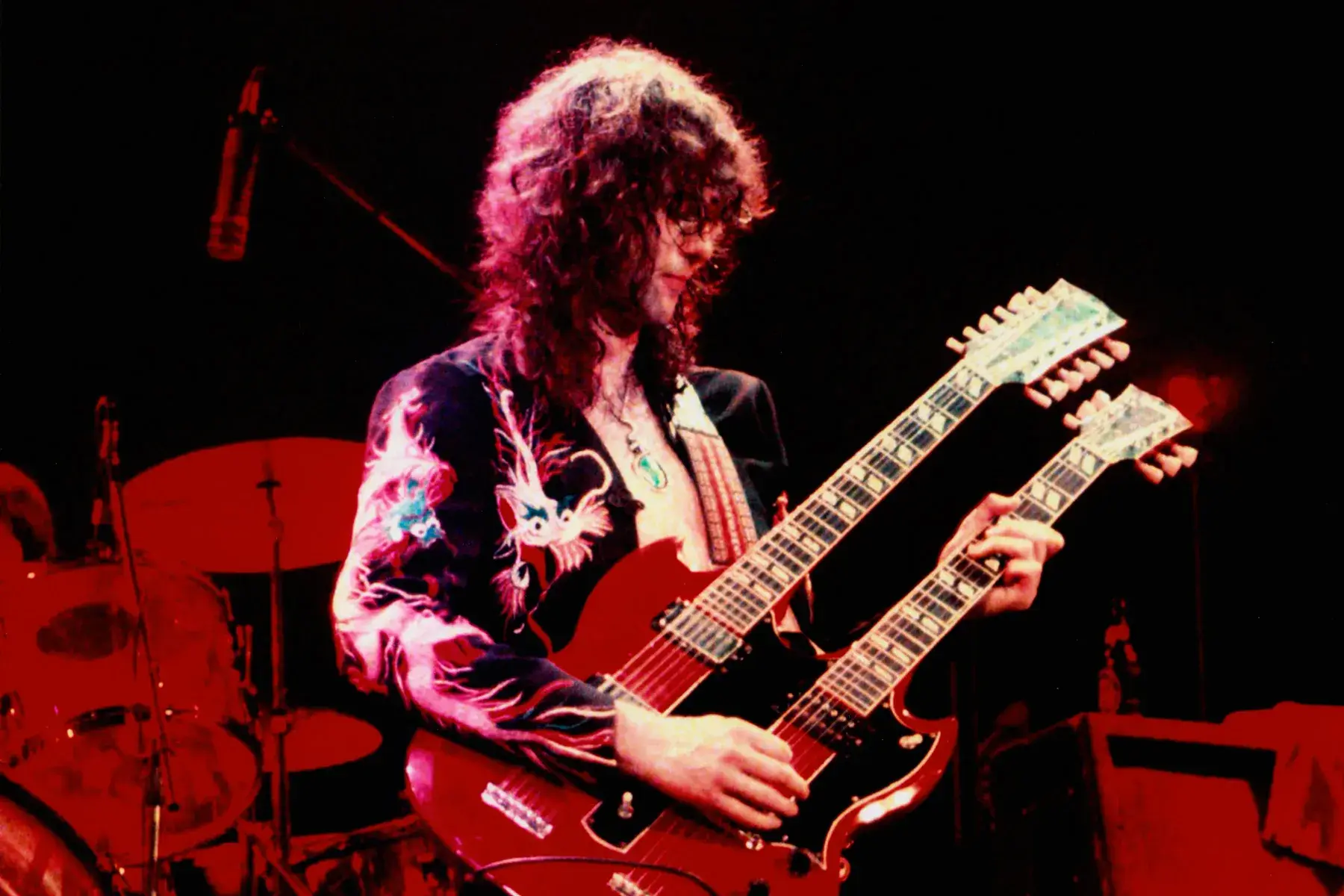
Led Zeppelin dragged rock into a deeper, heavier, darker place. They carved out the blueprint for hard rock and heavy metal, but they did it with a mystic undertone that made every track feel like a door into another room.
Page’s production techniques still inspire modern engineers who chase that warm, dangerous, analog magic.
Iggy Pop
Iggy Pop is proof that rock doesn’t need polish to matter. Sometimes it needs a spark that doesn’t care who it burns. He turned chaos into a performance language; every show felt like a dare, every lyric like a confession delivered from the edge of a rooftop.
Punk rock wouldn’t exist the way we know it without Iggy. He stripped music to bone and nerve, leaving behind pure attitude. His presence cracked open an entirely new era where imperfections weren’t hidden they were the point.

What All These Legends Really Gave Rock
Their eras were different, their methods borderline chaotic, but their impact converges on a shared truth: every one of them shifted the gravitational center of rock music. They pushed sound into uncomfortable corners, cracked genres apart, rebuilt them with new emotional textures, and influenced thousands of musicians who didn’t even realize they were being influenced.
Rock evolved through them, not as a clean progression but as a series of beautiful collisions. And maybe that’s why their stories still feel alive. They remind us that music grows most when someone is brave enough to break the pattern.
What These Legends Left Behind
Look long enough at these stars Hendrix, Mercury, Cobain, Bowie, Joplin, Presley, Turner, Springsteen, Page, Iggy and a pattern emerges: none of them tried to sound “perfect.” They tried to sound alive. Their music came with fingerprints, fractures, risks, and the strange honesty that only appears when someone stops worrying about being admired and starts focusing on being understood.
Rock’s evolution didn’t happen in straight lines. It happened through leaps, accidents, revolutions whispered inside studios at 3 a.m., and fearless decisions made on stages too bright to hide anything. These artists didn’t just contribute to their eras; they carved them open and rearranged the bones.
Their echoes still wander through playlists, movies, and the quiet corners of modern genres that don’t even call themselves rock anymore. But the DNA is there. The fire is there. And as long as someone somewhere picks up a guitar to say something they can’t say out loud, these legends will keep breathing through the music.
Summarise with AI:
Did you like this article? Leave a rating!

 Loading...