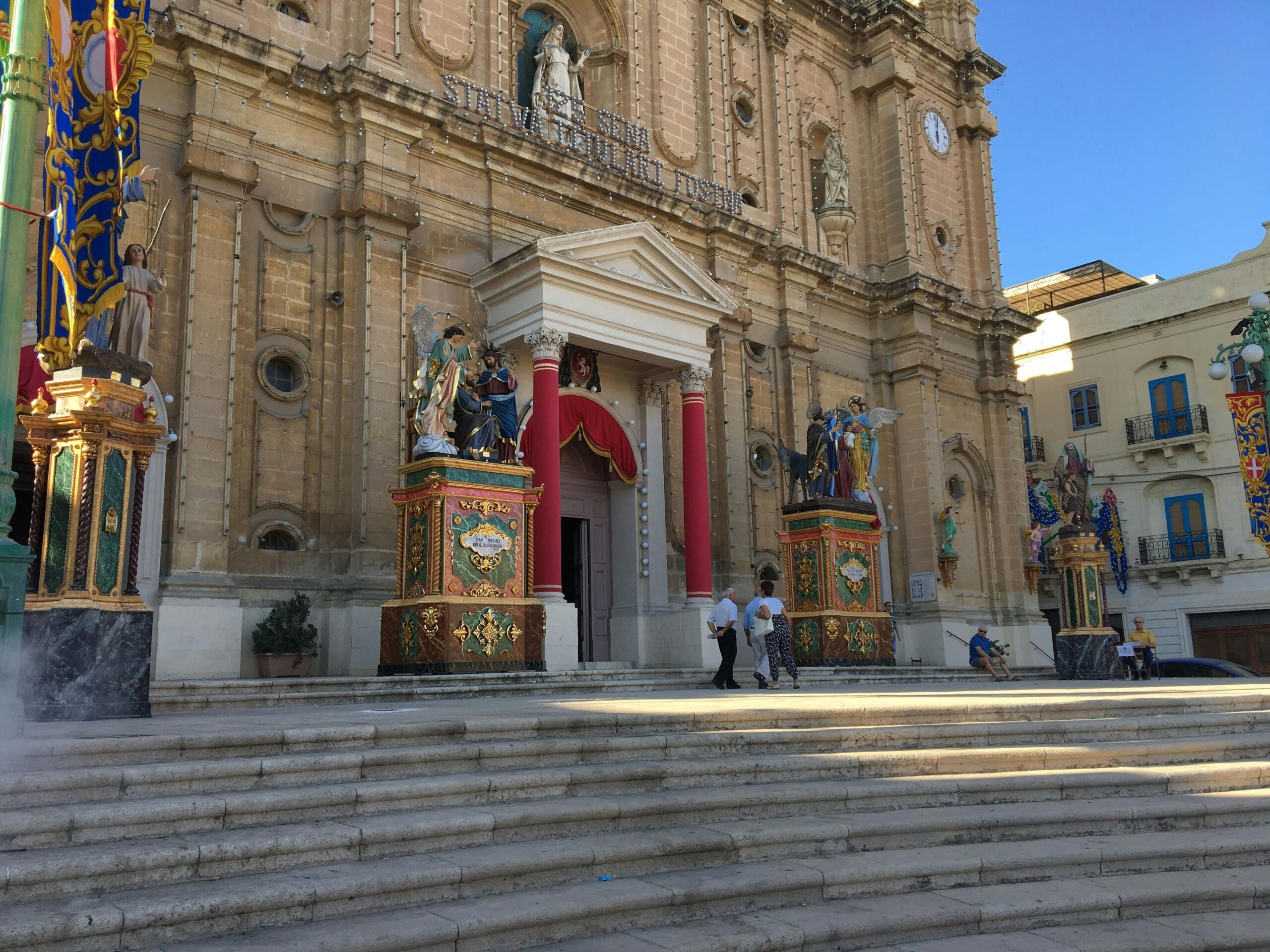

Spring in Malta brings one of the most meaningful periods of the year for the islands. Easter is not only a religious celebration here, but also a deeply rooted cultural tradition that transforms towns, churches, and streets across the country.
During Easter in Malta, the week leading up to Easter Sunday, known as Holy Week, is filled with rituals, community gatherings, and powerful public events. The wider community focuses on the solemn atmosphere of Good Friday processions and the joyful celebrations of Easter Sunday, offering a unique way of experiencing this important Christian holiday.
🌿 Palm Sunday
marks the beginning of Holy Week with church services and blessed palm leaves
🕯 Maundy Thursday
traditions include evening masses and the Seven Churches Visit
🎺 Good Friday Malta
is known for solemn processions with statues and brass band marches
🎉 Easter Sunday Malta
celebrates the resurrection with joyful street celebrations and church services
Want to give private lessons?
Join the Superprof community and share your knowledge with interested and motivated students.
Traditional Ways to Celebrate Easter in Malta
Many Easter events in Malta revolve around traditions that have been practiced for generations. Religious ceremonies take place inside historic churches, while outside, processions, music, and symbolic statues bring the story of Easter into the streets. Whether you are visiting Malta or living on the island, this period offers a fascinating glimpse into Maltese culture and faith.
To understand the atmosphere of Easter on the island, it helps to start with the traditions that mark the beginning of Holy Week.
Although Malta hosts many public celebrations during Holy Week, the heart of the holiday lies in a number of long-standing traditions that Maltese families continue to observe each year.
These customs combine religious devotion with community rituals, making Easter in Malta feel both deeply spiritual and culturally rich.
Palm Sunday Celebrations
Holy Week begins with Palm Sunday, commemorating the moment when Jesus entered Jerusalem. In Malta, churches hold special masses where palm leaves and olive branches are blessed before being distributed to worshippers.
Many families keep these blessed leaves in their homes throughout the year as a symbol of protection and faith. Palm Sunday services are usually well attended, marking the beginning of the religious events that follow during Holy Week.
Beginning of Holy Week
Palm Sunday
Blessing of palm leaves and start of Easter traditions
Thursday before Easter Sunday
Maundy Thursday
Evening mass and Seven Churches Visit
Friday before Easter Sunday
Good Friday Malta
Solemn processions with statues and band marches
Easter Sunday
Easter Sunday Malta
Joyful celebrations and community gatherings
Across towns and villages, the day also signals the start of preparations for the upcoming Good Friday processions in Malta, which are among the most significant religious traditions on the island.
Several traditions shape the atmosphere of the holiday especially during Holy Week when churches and communities prepare for the island’s most important religious celebrations.
| Holy Week Tradition | When It Happens | What Visitors Will See | Why It Matters in Malta |
|---|---|---|---|
| 🌿 Palm Sunday | Beginning of Holy Week | Churches bless palm leaves and olive branches during special masses attended by large congregations. | Marks the official start of Holy Week and prepares communities for upcoming Easter celebrations. |
| 🕯 Maundy Thursday | Thursday evening before Good Friday | Churches hold evening services remembering the Last Supper, often with decorated altars prepared for quiet prayer. | A reflective moment in Maltese Easter traditions before the solemn Good Friday Malta commemorations. |
| ⛪ Seven Churches Visit | Maundy Thursday evening | People walk between different churches, stopping briefly for prayer at each one. | With more than 300 churches across Malta, this tradition is widely practiced and easily accessible. |
| 🥯 Apostles’ Bread (Qagħaq tal-Appostli) | Throughout Holy Week | Bakeries sell circular bread flavored with honey, almonds, and spices. | One of the small culinary traditions that adds a local flavour to Easter in Malta. |
Maundy Thursday Traditions
Maundy Thursday marks the remembrance of the Last Supper. In Maltese churches, evening services recreate the solemn atmosphere of this biblical event through prayers, readings, and symbolic rituals.
After mass, many churches prepare special altars known as the “Altars of Repose.” These decorated spaces are visited by worshippers who come to pray and reflect quietly.
For many locals, Maundy Thursday also marks the beginning of one of Malta’s most distinctive Holy Week traditions: the Seven Churches Visit.
Malta is one of the most church-dense countries in Europe. With hundreds of historic churches spread across the islands, Holy Week traditions such as the Seven Churches Visit remain easy to follow even within a single town.
The Seven Churches Visit
One of the most unique Holy Week customs in Malta is the tradition known as the Seven Churches Visit.
On the evening of Maundy Thursday, many people travel across towns or cities to visit seven different churches in succession. The visits are usually done quietly, with each stop offering a moment for prayer or reflection.
churches scattered across the islands, it is relatively easy to follow this tradition even within a small area.
Families, friends, and groups often walk together between churches, creating a calm yet communal atmosphere throughout the evening.
Apostles’ Bread (Qagħaq tal-Appostli)
Another traditional element of Easter in Malta is a special type of bread known as Qagħaq tal-Appostli, often called Apostles’ Bread. This circular bread is typically flavored with honey, almonds, and spices, giving it a slightly sweet taste. Bakeries across Malta begin preparing it during Holy Week, and it quickly becomes a seasonal favourite.
While simple, this bread carries symbolic meaning and is often associated with Maundy Thursday traditions. Today, it remains one of the small culinary details that make Easter events in Malta feel distinct from those in many other countries.
Food is an important part of the celebrations with several seasonal sweets and baked goods appearing in bakeries and homes during Holy Week. Another popular activity during the holiday is organizing a traditional egg hunt, adding a touch of excitement and family fun to the festive celebrations.
🥐 Figolli
Figolli are colourful almond-filled pastries traditionally prepared during the Easter season.
They are often shaped like lambs, rabbits, or hearts and decorated with icing.
Maltese bakeries begin selling them weeks before Easter Sunday.
🍞 Qagħaq tal-Appostli
This traditional Maltese bread appears during Holy Week and is usually flavoured with honey, almonds, and spices.
Known as Apostles’ Bread, it is one of the seasonal foods people associate with Easter traditions across the islands.
🍪 Traditional Easter Biscuits
Many Maltese families also prepare homemade Easter biscuits and sweet pastries to share with relatives and visitors during the holiday period.
These small treats often appear during family gatherings on Easter Sunday Malta.
Key Easter Events in Malta
While many traditions take place inside churches or family homes, some of the most memorable moments happen in the streets. Across towns and villages, communities organise public events that bring the story of Easter to life.
Good Friday Processions in Malta
Among the most important of these are the Good Friday processions in Malta, which take place in numerous villages across the islands. These processions are known for their solemn atmosphere and their striking visual elements.
During Good Friday, streets fall unusually quiet as large religious statues representing scenes from the Passion of Christ are carried through towns and villages.
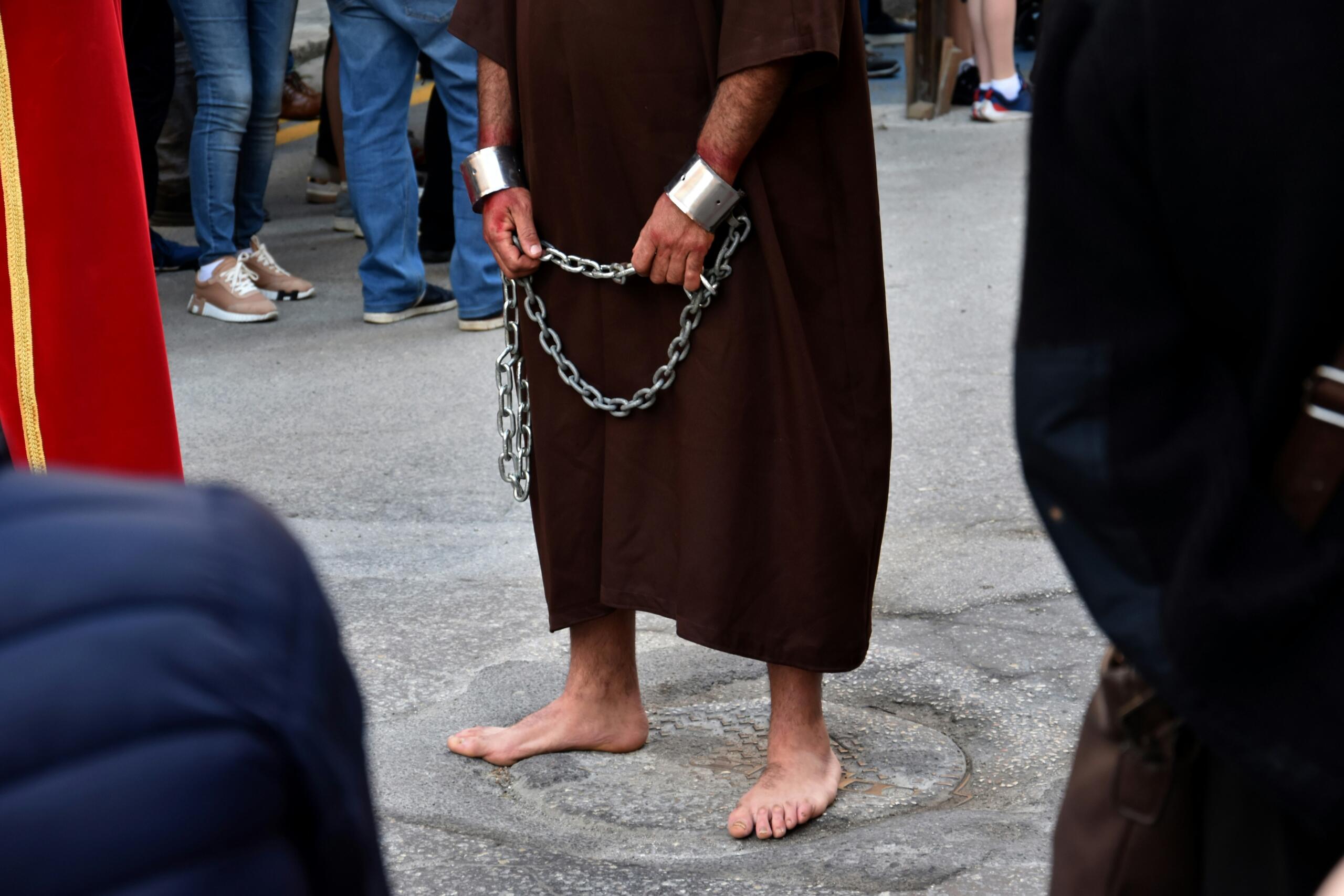
Many participants wear traditional costumes, sometimes walking barefoot or carrying symbolic objects as acts of devotion. Local brass bands accompany the processions with slow funeral marches and other traditional Easter music, helping create the powerful and reflective atmosphere for which Good Friday in Malta is known.
✝️ Religious statues
representing scenes from the Passion of Christ
👣 Participants in traditional costumes
sometimes barefoot as an act of devotion
🎺 Brass band funeral marches
creating a slow and solemn rhythm
🕯 A quiet and reflective atmosphere
across towns and villages
For visitors, witnessing one of the Good Friday processions in Malta offers a unique glimpse into the island’s strong religious traditions and community life.
Easter Sunday Malta Celebrations
In contrast to the solemn mood of Good Friday, Easter Sunday Malta is filled with celebration and joy.
Church bells ring across the islands, families gather for festive meals and Easter games for kids, and statues representing the Risen Christ are carried through streets in lively processions. One of the most iconic moments is the so-called “statue run” when bearers run with the statue through cheering crowds.
These celebrations mark the end of Holy Week and are among the most important events of the season.
Want to give private lessons?
Join the Superprof community and share your knowledge with interested and motivated students.
Tips for Experiencing Easter in Malta
If you are in Malta during Holy Week, taking the time to experience local traditions can offer a deeper understanding of the island’s culture.
Many of the most memorable moments are easy to access, as events take place in town centres, churches, and public streets across the islands.
⏰ Arrive early for Good Friday processions, as streets fill quickly
👟 Wear comfortable shoes, especially if you plan to walk between churches
🤫 Respect the atmosphere, particularly during Good Friday Malta events
📸 Be mindful when taking photos, as many moments are religious and personal
Attend a Good Friday Procession
One of the most powerful ways to experience Good Friday is by attending one of the Good Friday processions in Malta.
These processions take place in many villages, where large statues representing scenes from the Passion of Christ are carried through the streets. Accompanied by slow brass band music, they create a quiet and reflective atmosphere that is very different from typical tourist events.
Visit Malta’s Historic Churches
Malta is home to more than 300 churches, many of which play a central role during Holy Week.
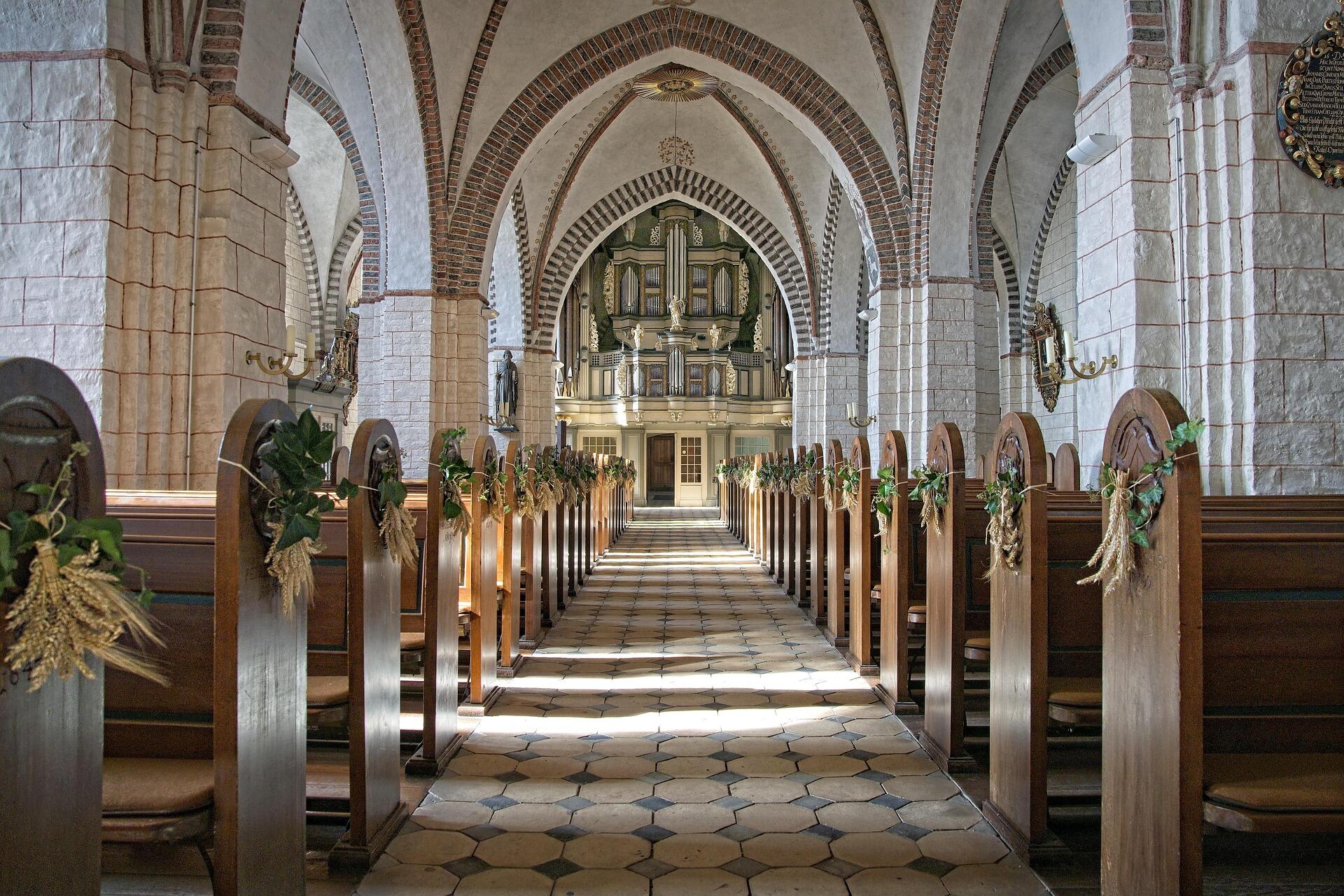
Visiting churches in places like Valletta, Mdina, or Rabat allows you to observe local traditions up close, from decorated interiors to special religious services connected to the celebrations.
| Good Friday Malta | Easter Sunday Malta |
|---|---|
| Solemn and reflective atmosphere | Joyful and celebratory mood |
| Religious processions with statues | Lively celebrations and gatherings |
| Brass band funeral marches | Church bells and festive energy |
| Focus on the Passion of Christ | Celebration of the Resurrection |
Experiencing Easter in Malta
Easter in Malta combines solemn religious tradition with joyful public celebration. From the quiet reflection of Good Friday to the lively atmosphere of Easter Sunday, Holy Week offers one of the most distinctive cultural experiences on the islands. Whether you attend a procession, visit historic churches or explore family-friendly Easter activities, this period gives a meaningful insight into Maltese faith and community life.
Fireworks are a familiar feature of Maltese celebrations. Although Good Friday remains solemn, Easter Sunday in some localities can feel far more festive, with bells, music, confetti and occasional fireworks.
References
- “Maltese Culture.” Visit Malta, Malta Tourism Authority, www.visitmalta.com/en/category/maltese-culture/. Accessed 28.03.2026.
- "Good Friday Processions in Malta: A Unique Cultural Experience.” Malta Uncovered, www.maltauncovered.com/culture/good-friday-processions-malta/. Accessed 28.03.2026.
- "Easter in Malta: Traditions and Events.” ETI Malta, etimalta.com/easter-in-malta-traditions-and-events/. Accessed 28.03.2026.
Want to give private lessons?
Join the Superprof community and share your knowledge with interested and motivated students.
Summarise with AI:
Did you like this article? Leave a rating!

 Loading...