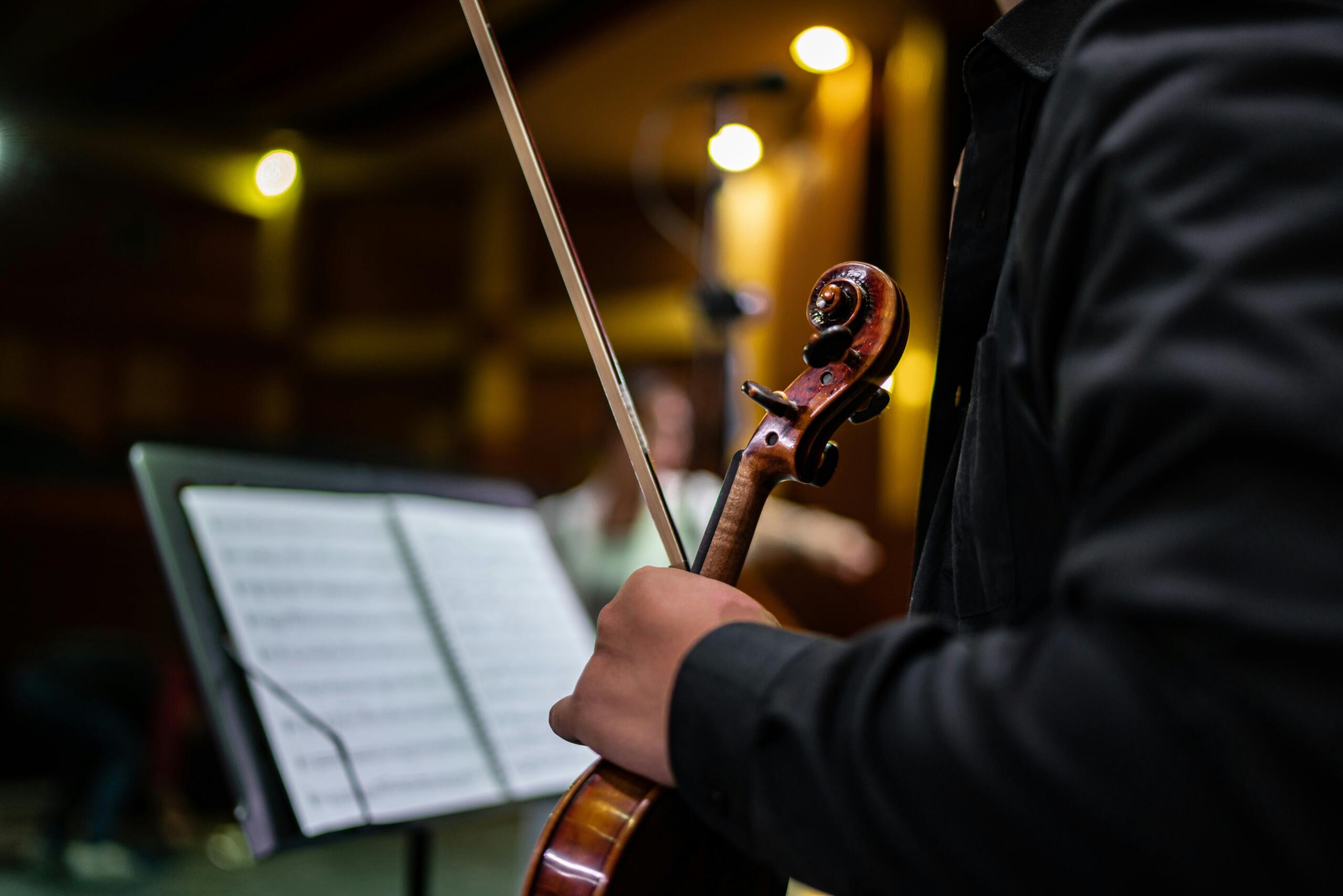

There’s a curious thing about classical music. Even when you think you don’t listen to it, it finds you anyway. In a film scene, a passing melody, a moment that lingers longer than expected. That’s why people searching for the most famous classical musicians are rarely just looking for names. They’re searching for origins.
Famous musicians classical history remembers weren’t distant figures frozen in time. They were people shaped by obsession, pressure, and sudden flashes of clarity. Some were celebrated, others ignored, many misunderstood. That’s what turns a classical musicians list into something more than a catalogue. It becomes a record of how sound survives.
This list isn’t for experts. It’s for anyone curious enough to press play and wonder what comes next.
If you’d like to balance classical influences with modern island voices, Maltese Singers - Island Voices is a lovely contrast.


Johann Sebastian Bach
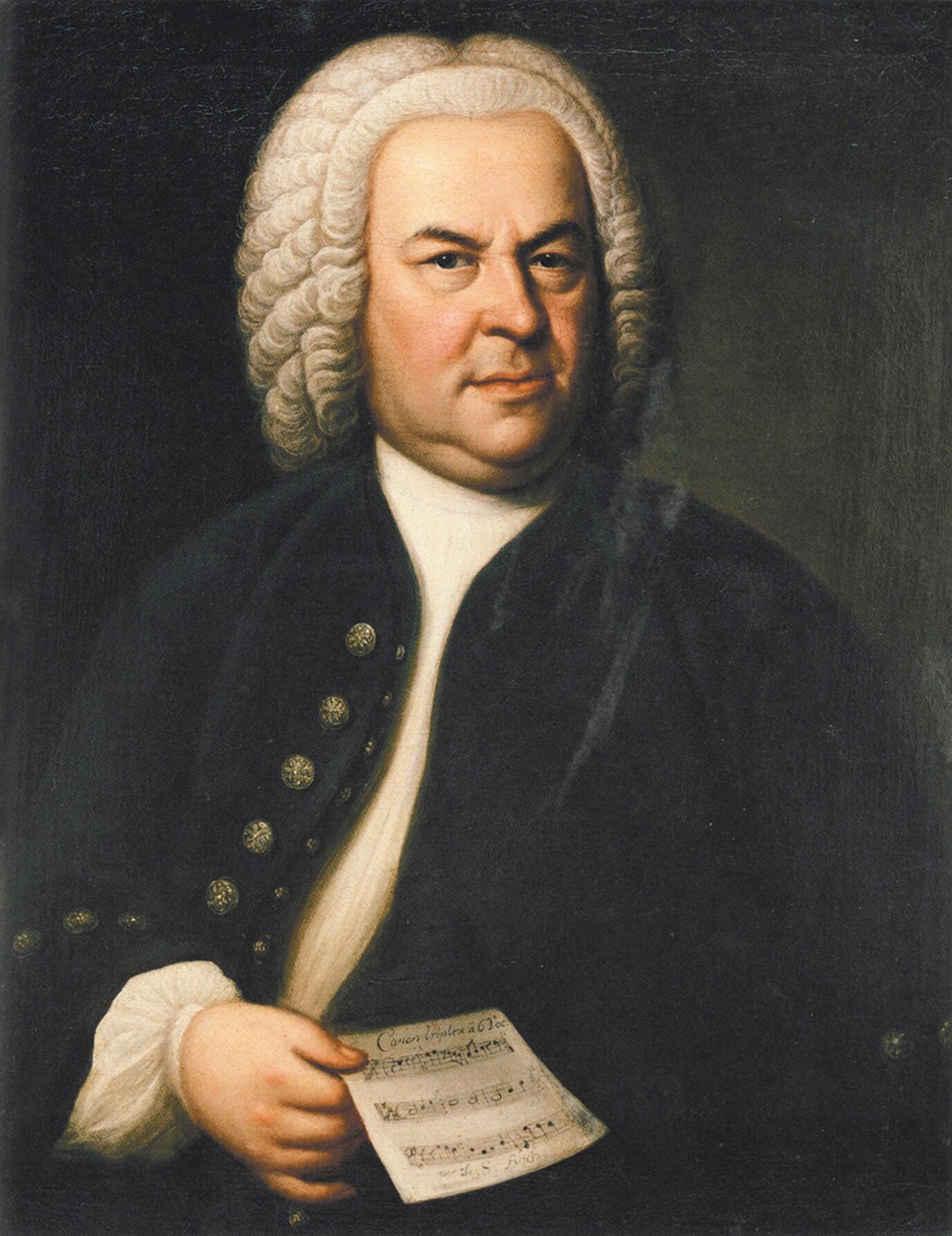
If there is one name that quietly holds classical music together, it is Johann Sebastian Bach. He rarely appears in dramatic stories filled with scandal or public chaos, yet his influence runs deeper than almost anyone else on a classical musicians list. Bach didn’t chase fame. In fact, for most of his life, he was simply doing his job. Writing music for churches, teaching students, meeting deadlines. And somehow, within that routine, he built the backbone of Western music.
What makes Bach stand out among the most famous classical musicians is not just what he wrote, but how he thought. His music feels architectural. Every note has a reason to exist. Listen closely and you can sense order, balance, and an almost mathematical calm, yet it never sounds cold. There is warmth in his harmonies, patience in his rhythms. Even when the structure is complex, the emotional pull remains surprisingly direct.
During his lifetime, Bach was respected, but not celebrated in the way later composers would be. Opera was fashionable, orchestras were evolving, and Bach’s devotion to counterpoint felt old-fashioned to some. It wasn’t until decades after his death that the world began to fully understand what it had overlooked. Today, when people talk about famous musicians classical traditions are built upon, Bach is often the unspoken reference point.
The aim and final reason of all music should be none other than the glory of God and the refreshment of the soul.
Johann Sebastian Bach
Wolfgang Amadeus Mozart
After Bach’s discipline and structure, Wolfgang Amadeus Mozart feels like fresh air. Faster, brighter, sometimes reckless. When people look up the most famous classical musicians, Mozart’s name often comes with a sense of inevitability. Not because he was flawless, but because his talent appeared almost unfair. He didn’t seem to learn music. He spoke it.
Mozart’s story fits perfectly into any classical musicians list, yet it resists simplification. Yes, he was a child prodigy. Yes, he toured Europe before most people even understood what talent meant. But what’s usually missed is how hard he worked to stay relevant as an adult. His music sounds playful, even effortless, but behind that lightness was constant pressure. Deadlines, commissions, financial anxiety, and a deep need to be heard on his own terms.
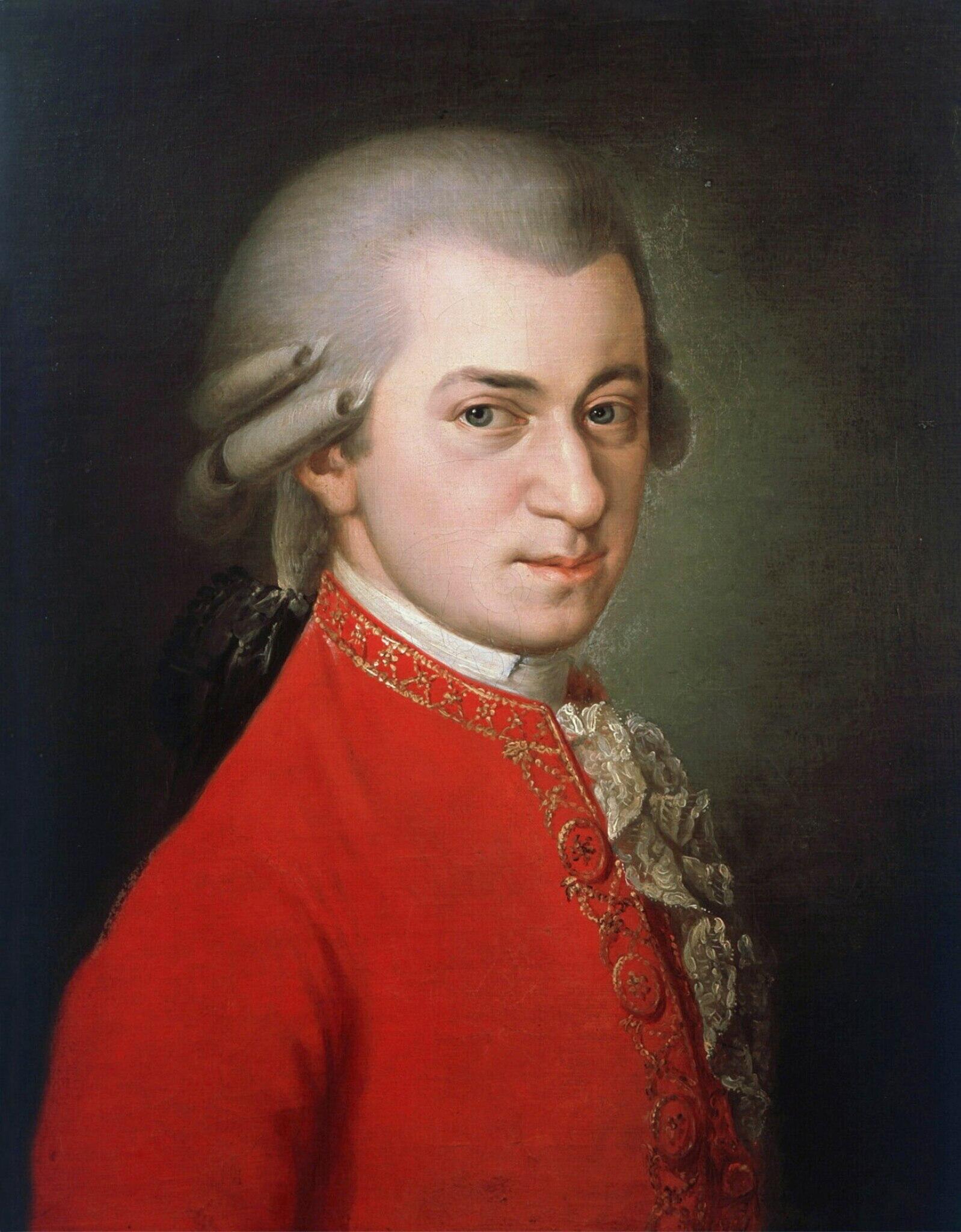
Among famous musicians classical history tends to celebrate, Mozart stands out for emotional range. One moment his music feels intimate and almost conversational, the next it explodes with theatrical confidence. Opera was where this contrast truly came alive. He understood human voices, flaws, humor, and desire better than most composers before or after him. That’s why his characters still feel human instead of symbolic.
Mozart had an extraordinary memory for sound and could write down complex music after hearing it only once. As a teenager, he famously transcribed a closely guarded sacred composition in Rome entirely from memory.
Those who appreciate storytelling in song might also enjoy Country Music in Malta - Artists to Know
Ludwig van Beethoven
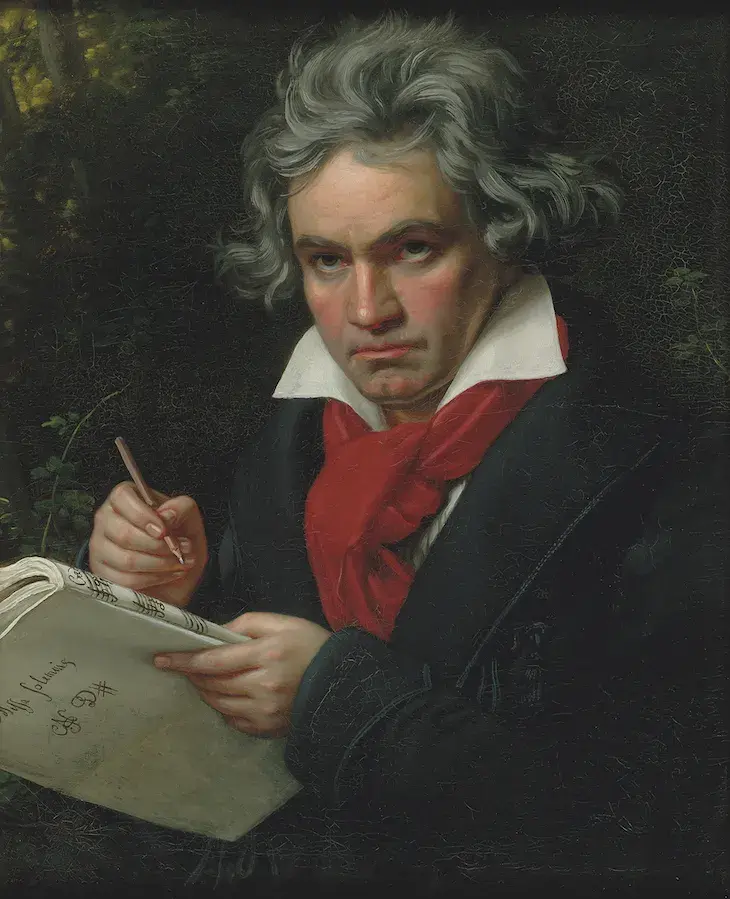
If Bach built the structure and Mozart filled it with light, Ludwig van Beethoven pushed the walls outward. His place among the most famous classical musicians comes from tension. Inner tension, historical tension, and a constant struggle between control and eruption. Beethoven didn’t aim to please. He aimed to say something, even when it made listeners uncomfortable.
What separates Beethoven from many names on a classical musicians list is how personal his music feels. You can hear hesitation, anger, defiance, and sudden hope inside his compositions. This was new. Before him, music often served courts, churches, or patrons. With Beethoven, it began serving the composer’s inner world. That shift quietly changed the future of classical music.
Among famous musicians classical traditions often celebrate elegance and balance, Beethoven brought weight. His symphonies don’t float, they advance. Even his quieter moments feel charged, as if something is about to break through. And then there is the fact everyone knows but never fully absorbs: he continued composing after losing his hearing. Not as a symbolic gesture, but as a necessity. Music was the only language he trusted.
Because of that, Beethoven occupies a strange position in any classical musicians list. He stands between eras, borrowing from the past while forcing the future to respond. His work doesn’t ask for admiration. It demands attention. And once you give it that, it rarely lets go.
symphonies reshaped the emotional scale of classical music.
documented compositions span piano, chamber, orchestral, and vocal works.
of his symphonies were premiered to audiences during major political upheavals in Europe.
For something more upbeat and nostalgic, Pop Music Legends of the 70s celebrates one of music’s most iconic eras.
Antonio Vivaldi
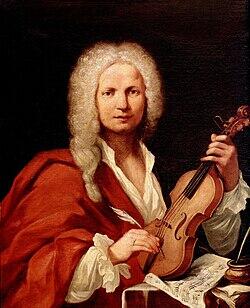
Antonio Vivaldi is often remembered for energy. Movement. Rhythm that refuses to stay still. Among the most famous classical musicians, he stands out for making repetition feel alive rather than mechanical. His music doesn’t unfold slowly; it advances, almost physically, pulling the listener forward.
What secured Vivaldi’s place on any classical musicians list is how vividly he connected sound with imagery. His concertos don’t just exist as abstract compositions, they suggest weather, motion, and changing light. That accessibility explains why modern audiences often connect with him instantly, even without much background in classical music.
Franz Schubert
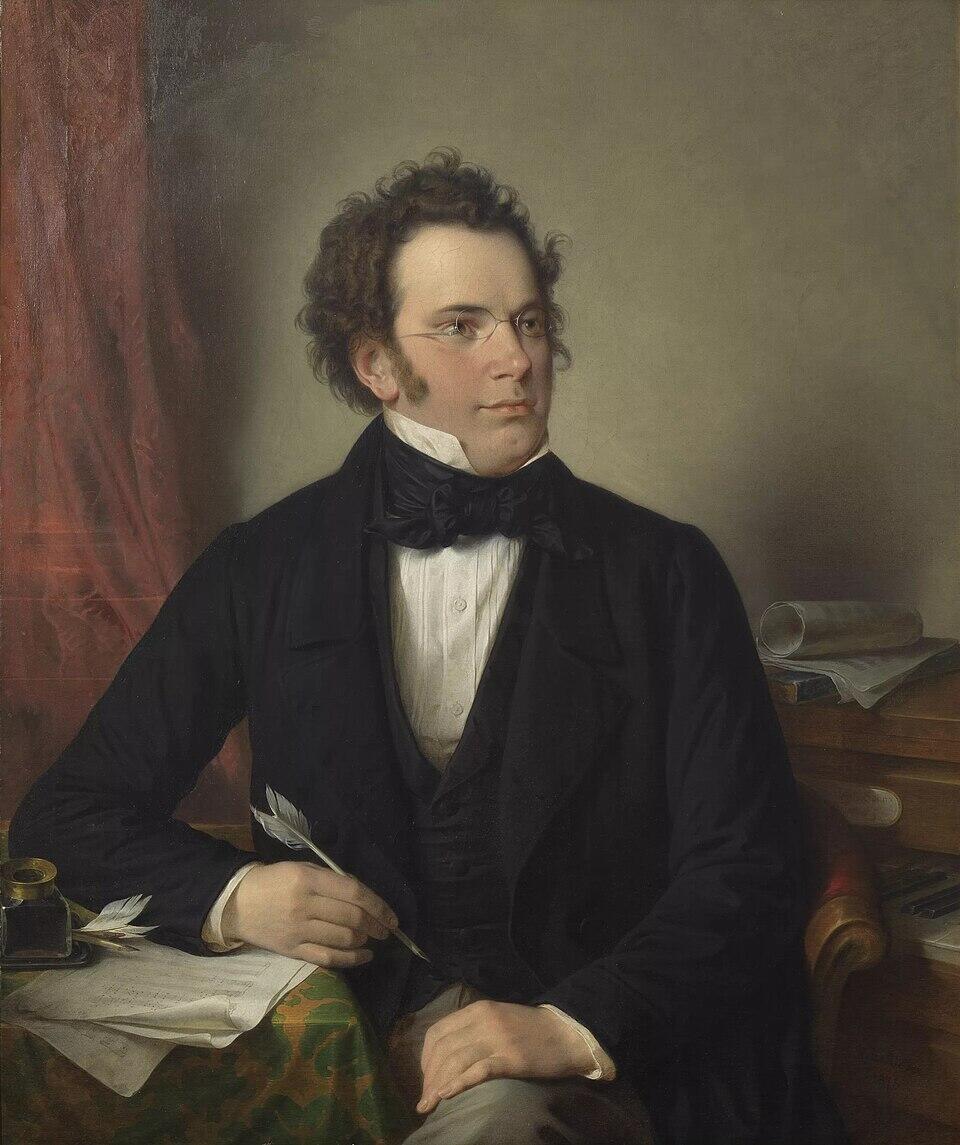
Franz Schubert represents a quieter kind of greatness. While many famous musicians classical history celebrates were performers or public figures, Schubert lived mostly in the background. His music feels inward, reflective, sometimes unfinished in the most human way possible.
Schubert’s songs and chamber works reveal a composer more interested in emotional truth than formal impact.
Today, his presence on a classical musicians list often surprises newcomers, but once discovered, his music tends to stay with them. It speaks softly, and that softness is exactly the point.
Frédéric Chopin
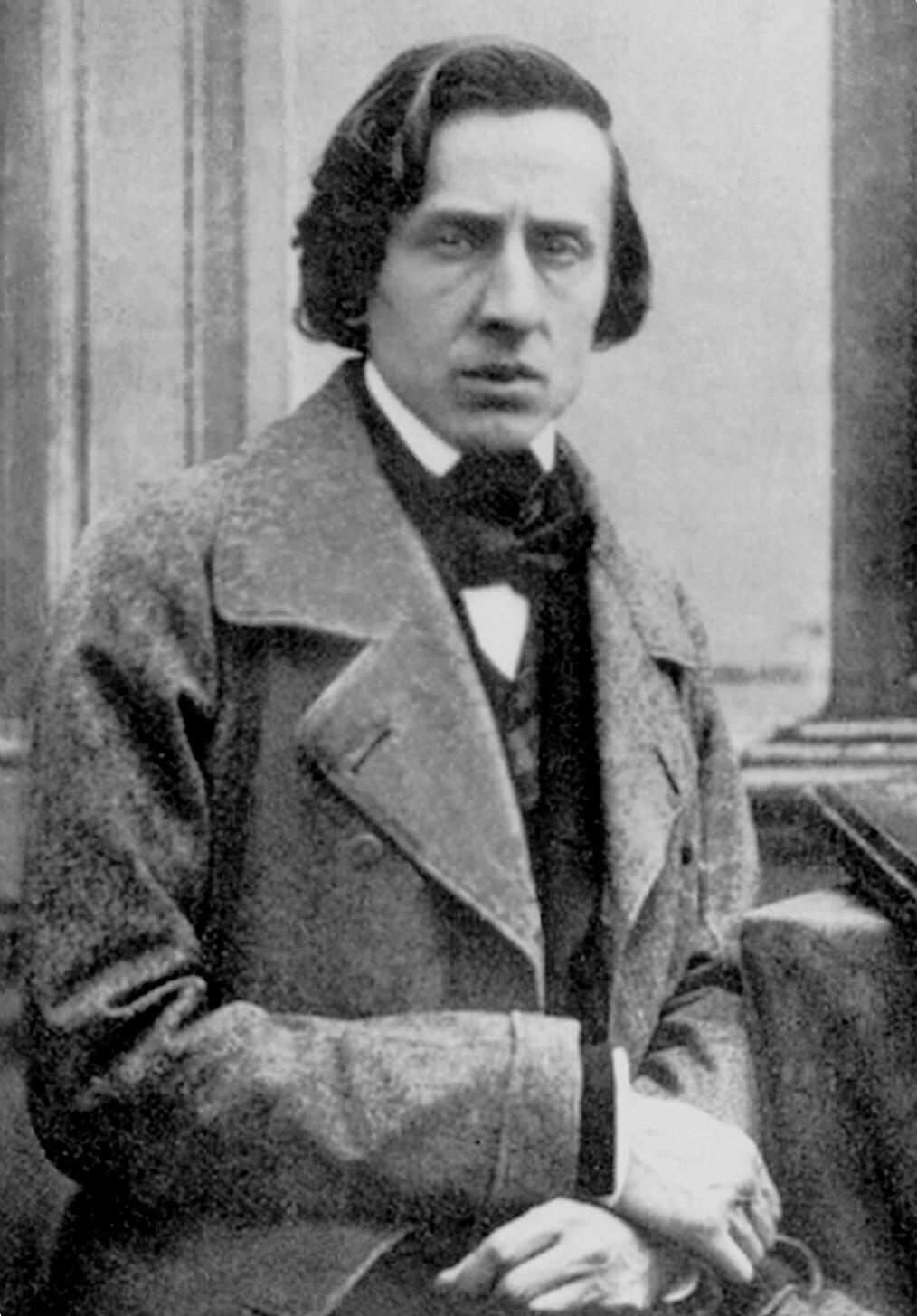
Chopin’s world is intimate. Almost private. He rarely needed large orchestras or dramatic gestures. The piano was enough. Within it, he found a full emotional spectrum that secured his place among the most famous classical musicians.
What makes Chopin unique on a classical musicians list is how personal his music feels. These pieces were not written to impress a hall, but to be felt closely. Even today, his works carry a sense of vulnerability that feels strikingly modern.
Johannes Brahms
Johannes Brahms often appears as a bridge between eras. He respected tradition deeply, especially the discipline of earlier composers, yet never allowed himself to be confined by it. Among famous musicians classical traditions admire, Brahms is known for restraint rather than excess.
His music rewards attention. It doesn’t reveal itself instantly, but once it does, it feels solid and thoughtful. That balance keeps Brahms firmly placed on any serious classical musicians list, especially for listeners who value depth over drama.
If you’re drawn to loud riffs and show-stopping stage energy, Famous Rock Stars in Music History offers the ultimate contrast.
Pyotr Ilyich Tchaikovsky
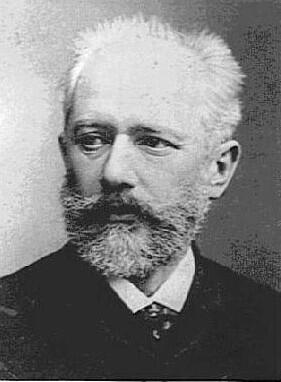
Tchaikovsky wrote without emotional filters. His music leans fully into feeling, whether it’s joy, longing, or despair. That openness is exactly why he remains one of the most famous classical musicians worldwide.
Unlike composers who hide behind structure, Tchaikovsky allows emotion to lead. His symphonies and ballets feel expansive, theatrical, and unapologetically expressive. On any classical musicians list, he represents the power of emotional honesty over restraint.
Claude Debussy
Debussy changed the rules quietly. Instead of building music around strict form, he focused on atmosphere, color, and suggestion. Among famous musicians classical innovation owes a debt to, Debussy stands apart.
His compositions feel less like statements and more like impressions. Sound becomes texture, silence becomes space. This shift reshaped not only classical music, but also the language of modern composition, earning Debussy a permanent place on any thoughtful classical musicians list.
Summarise with AI:
Did you like this article? Leave a rating!

 Loading...